


Skip to content
Request a quote

Premium industrial alcohol for your business needs

Looking for a reliable supplier of industrial alcohol for manufacturing, cleaning, or chemical processing? Nedstar connects businesses with trusted producers of high-quality alcohol, offering tailored sourcing solutions for a wide range of industrial applications.

From industrial ethanol and isopropyl alcohol to denatured formulations, our international supply network helps customers secure the right products for their operations. Benefit from consistent quality, flexible packaging, dependable logistics, and support with technical documentation.

Nedstar Industrial
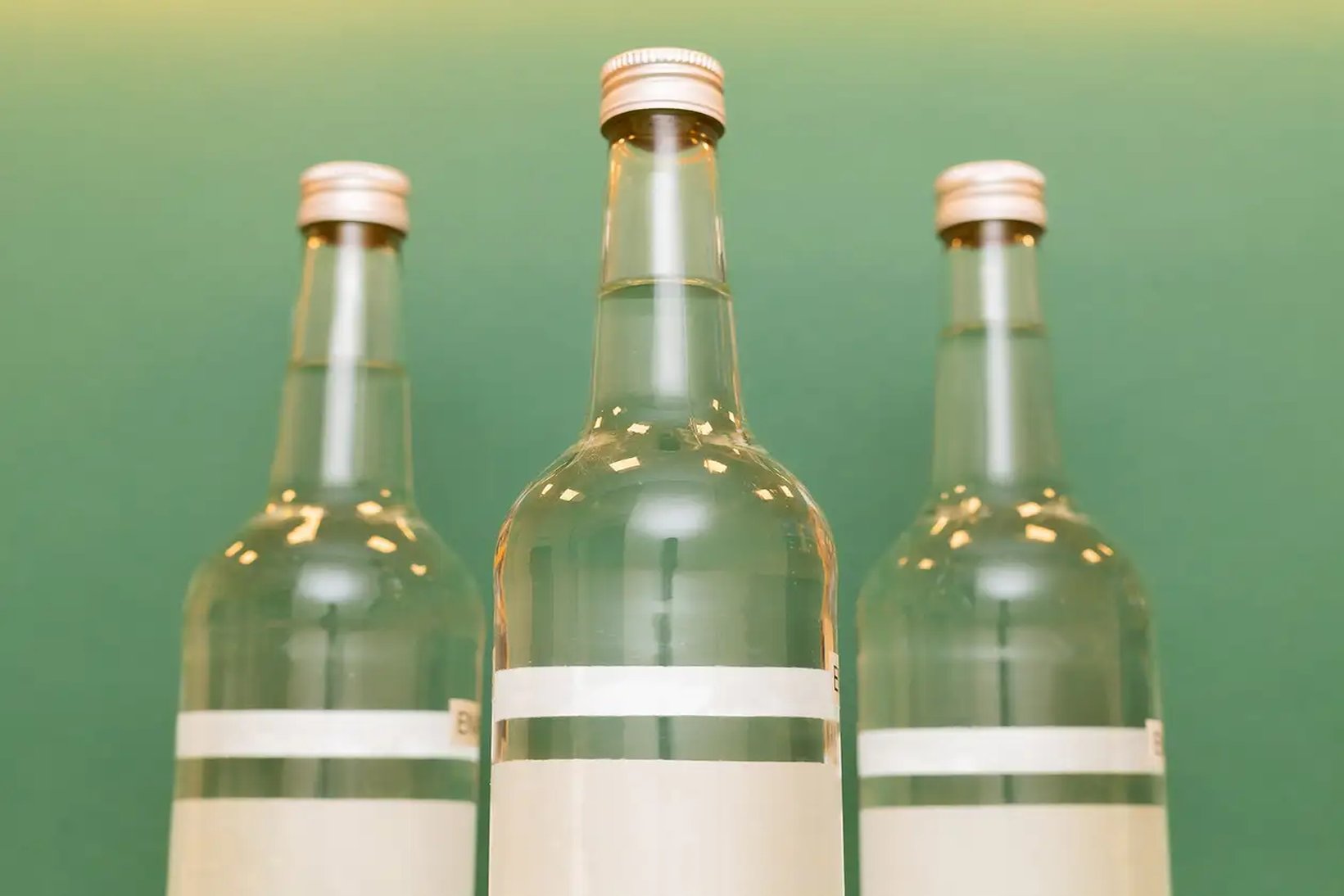
bottles_1641x1094

What is industrial alcohol?

Industrial alcohol refers to alcohols manufactured or supplied for technical, commercial, and manufacturing applications rather than beverage consumption. These chemicals are widely used as solvents, cleaning agents, fuels, disinfectant ingredients, and chemical feedstocks.

The most common types include ethyl alcohol (ethanol), isopropyl alcohol (IPA), and methyl alcohol (methanol). Each has different chemical properties, safety requirements, and industrial uses.

Industrial alcohol is valued for its strong solvency, ability to dissolve various substances, and compatibility with many manufacturing processes. Ethanol and IPA also mix readily with water, making them useful in cleaning and sanitation formulations.

Unlike drinking alcohol, industrial alcohol may be denatured or contain substances unsuitable for human consumption. Product specifications and regulatory requirements determine which grades are appropriate for particular applications.

Why choose Nedstar as your industrial alcohol supplier?

Reliable international sourcing

Nedstar works with an established network of producers to help customers secure industrial alcohol for manufacturing, chemical processing, cleaning, and other technical applications.


Our international reach supports reliable availability across different markets, helping businesses maintain production schedules and manage changing procurement requirements.

Consistent purity and specifications

Reliable and consistent performance begins with the right alcohol grade. Nedstar helps customers identify products that meet their requirements for concentration, purity, water content, and other relevant specifications.


We also support access to product documentation, helping procurement teams make informed purchasing decisions and maintain appropriate quality records.

Flexible bulk supply and logistics

Whether you need industrial ethanol for chemical manufacturing or isopropyl alcohol for cleaning applications, Nedstar can help arrange bulk supply according to your order volume and delivery requirements.


Our team supports international transportation, suitable packaging, and tailored sourcing solutions to keep your operations running efficiently.

Our industrial-grade ethanol portfolio

Extra neutral alcohol (ENA 96%)

Available in both conventional and certified organic grades.

Anhydrous ethanol 99.9%

Ultra-high-purity ethanol designed for demanding industrial and technical applications.

Organic alcohol

Ideal for companies seeking renewable, traceable, and environmentally responsible ethanol options.

REN alcohol

Suitable for chemical formulations, solvents, and pharmaceutical manufacturing.

How is industrial alcohol produced?

Industrial alcohol can be produced through biological or chemical processes, depending on the alcohol type, required purity, and intended application.

1-Aug-08-2025-07-53-18-0394-AM

Raw material processing

Ethanol production may begin with agricultural feedstocks containing sugars or starch, such as sugarcane, maize, or wheat. These materials are processed to obtain fermentable sugars.

Other industrial alcohols are commonly manufactured from petrochemical raw materials. For example, isopropyl alcohol can be produced from propylene.

2-3

Alcohol production

During fermentation, yeast converts sugars into ethanol and carbon dioxide. Synthetic ethanol can also be produced through ethylene hydration, while IPA is commonly manufactured through propylene hydration. Methanol is generally produced from synthesis gas using catalytic processes.

3-3

Distillation

Distillation separates and concentrates alcohol from water and other components. The required alcohol concentration depends on the product and its intended industrial application.

For ethanol, conventional distillation can produce concentrations near the ethanol-water azeotrope, while further dehydration is required to achieve anhydrous grades.


4-Aug-08-2025-07-53-17-8410-AM

Further purification and quality control

Additional purification helps achieve specific requirements for water content, impurities, and product consistency.

Industrial alcohol may also undergo denaturation, where approved denaturants are added to make ethanol unsuitable for consumption. The denaturant formulation depends on the intended use and applicable regulations.
 

Industrial alcohol products we offer

Nedstar helps businesses source different alcohol products for technical and manufacturing applications. Choosing the appropriate grade is essential for ensuring reliable quality and performance.

Characteristics

Versatile solvent available in different grades and concentrations
Strong cleaning and degreasing properties, with relatively rapid evaporation
High ethanol concentration with very low water content
Ethanol containing additives that prevent beverage consumption
Applications
Chemical manufacturing, cleaning formulations, fuels, and extraction

Equipment cleaning, surface preparation, and disinfectant formulations

Moisture-sensitive manufacturing, chemical synthesis, and specialised solvents
Industrial cleaning, coatings, technical formulations, and fuel applications

 Looking for a particular concentration or denatured formulation? Nedstar's product specialists can help you evaluate suitable options and available specifications. 

Applications

What is industrial alcohol used for?

Industrial alcohol serves as a powerful solvent, cleaning agent, chemical intermediate, and fuel component. Its broad range of applications makes it an essential material across multiple industries.

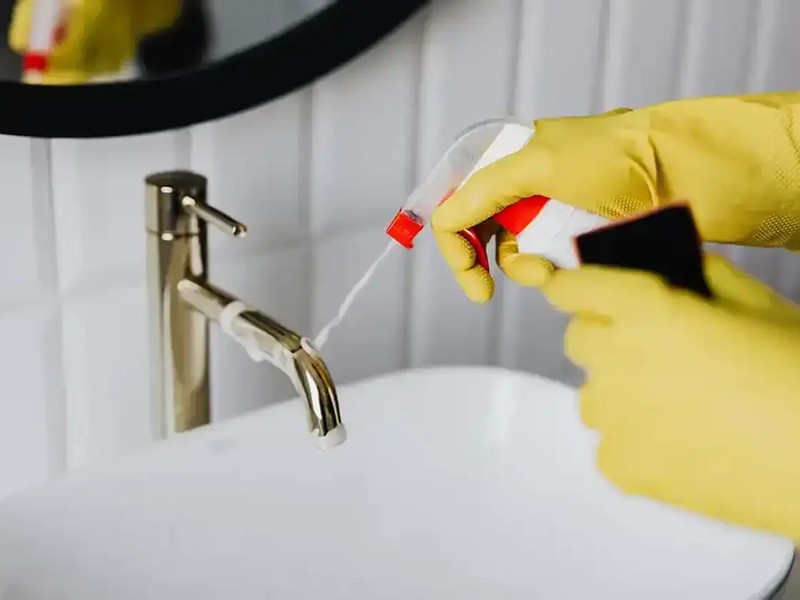
cleaning-degreasing
Industrial cleaning and degreasing
  • Removing grease, oils, and grime from compatible hard surfaces
  • Cleaning windows, machinery, tools, and industrial equipment
  • Stain removal of certain adhesive stains, ink, and marker residues
  • Preparing surfaces before coating, bonding, or manufacturing
  • Cleaning laboratory glassware and suitable instruments
  • Supporting window cleaning and glass-cleaning formulations
pexels-rfstudio-3825502-2
Paints, coatings, and wood finishing
  • Thinning compatible shellac-based wood finishes
  • Cleaning paintbrushes used with alcohol-soluble coatings
  • Dissolving selected resins, dyes, and adhesive residues
  • Removing tough stains from compatible materials
  • Preparing wooden surfaces for finishing
  • Supporting polishing and furniture restoration formulations
denaturantes nedstar chemicals
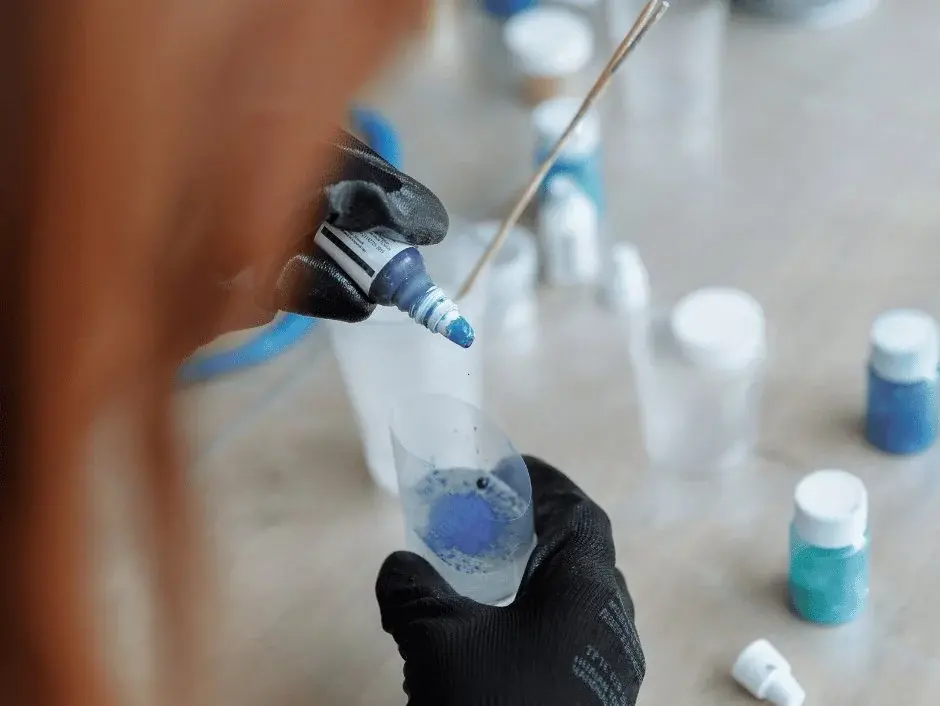
Pharmaceuticals and personal care
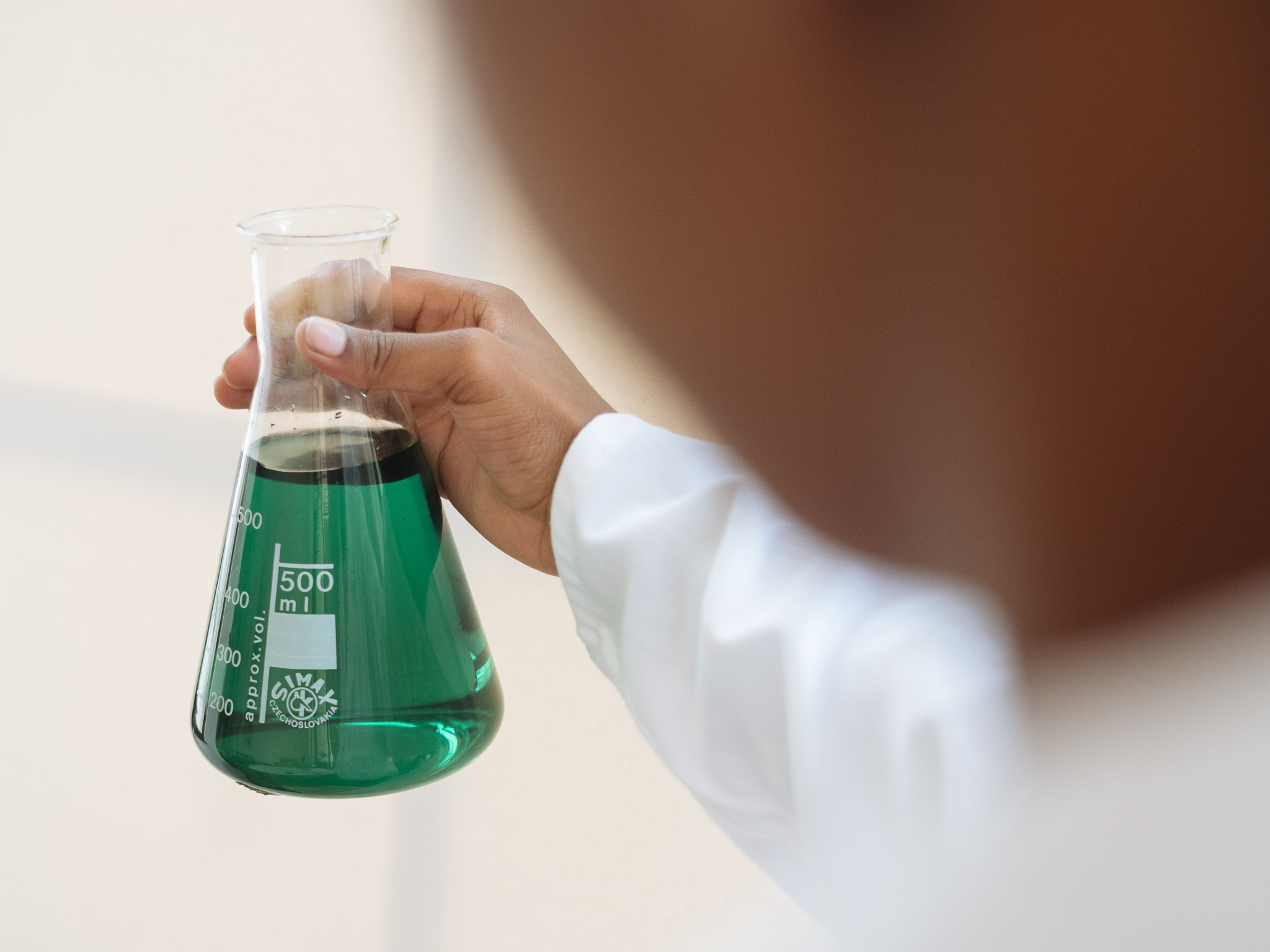
  • Solvent use in pharmaceutical manufacturing and selected active pharmaceutical ingredient processes
  • Production of suitable disinfectant and sanitising formulations
  • Fragrance and cosmetic manufacturing
  • Extraction of selected ingredients
  • Cleaning and sanitation in controlled production environments
Colourant_Nedstar
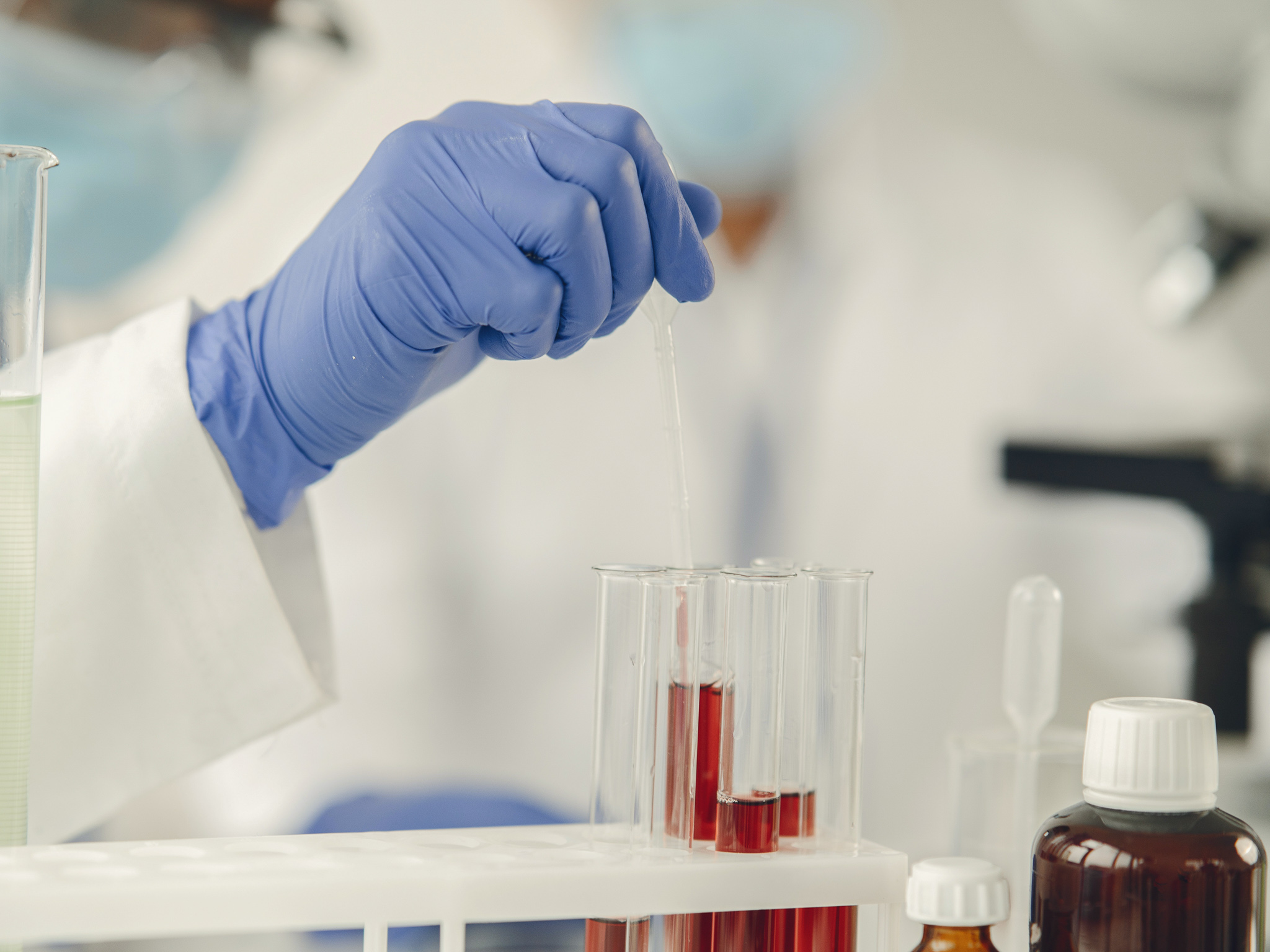
Chemical manufacturing and laboratory applications
  • Producing resins, dyes, adhesives, coatings, and other chemical products
  • Using industrial ethanol, methanol, and IPA as solvents in chemical synthesis
  • Cleaning laboratory glassware and equipment
  • Preparing samples for laboratory analysis
  • Supporting solvent-based processes and chemical reactions

engin-akyurt-f4UbPVbJcjw-unsplash
Fuel and energy applications
  • Blending ethanol with petrol to improve combustion efficiency
  • Reducing reliance on fossil-derived fuel components
  • Fuelling compatible ethanol-powered vehicles and engines
  • Supporting specialised industrial fuel applications
  • Producing fuel blends with properties tailored to specific engine requirements

Choosing the right industrial alcohol for your application

Selecting industrial alcohol requires more than comparing prices or concentrations. The right product must meet your technical requirements, safety standards, and applicable regulations.

Key purchasing considerations include:

  • Alcohol type: Ethanol, methanol, and isopropyl alcohol have different solvent properties, toxicity profiles, and applications.
  • Concentration and purity: A highly concentrated solution may be necessary for moisture-sensitive processes or specialised formulations.
  • Water content: Moisture can influence chemical reactions, drying performance, and product stability.
  • Denaturation: Denaturants affect product suitability, safety, and excise treatment.
  • Material compatibility: Alcohol can damage certain plastics, coatings, varnishes, and other sensitive materials.
  • Packaging and storage: Flammable solvents require suitable, compatible containers and appropriate handling procedures.
  • Documentation: Technical specifications and safety documentation help support procurement and compliance requirements.

Nedstar helps businesses evaluate these factors and identify suitable bulk alcohol products for their operations.

nedstar-electronics-grade-ipa

Key attributes of industrial ethyl alcohol


adding-value

Strong solvency

Industrial alcohol can dissolve many oils, resins, dyes, and organic residues, making it useful in cleaning, extraction, and chemical manufacturing.
Solvent effectiveness depends on the alcohol type and the material being dissolved.


biochemicals icon

Rapid evaporation

Ethanol and isopropyl alcohol offer relatively rapid evaporation and quick drying properties, supporting faster cleaning applications and certain manufacturing processes. Drying behaviour depends on concentration, temperature, ventilation, and formulation.


bottom-line

Versatile industrial applications

From degreasing machinery and cleaning glass to manufacturing pharmaceuticals, cosmetics, adhesives, and coatings, industrial alcohol supports a wide range of production requirements. Different grades can be selected according to their intended technical use.


dynamic

Consistent performance

Defined purity and concentration specifications help manufacturers achieve repeatable results across production batches. Reliable quality is particularly important for businesses using alcohol as a processing solvent, chemical feedstock, or formulation ingredient.
 

Industrial methylated spirits and denatured alcohol

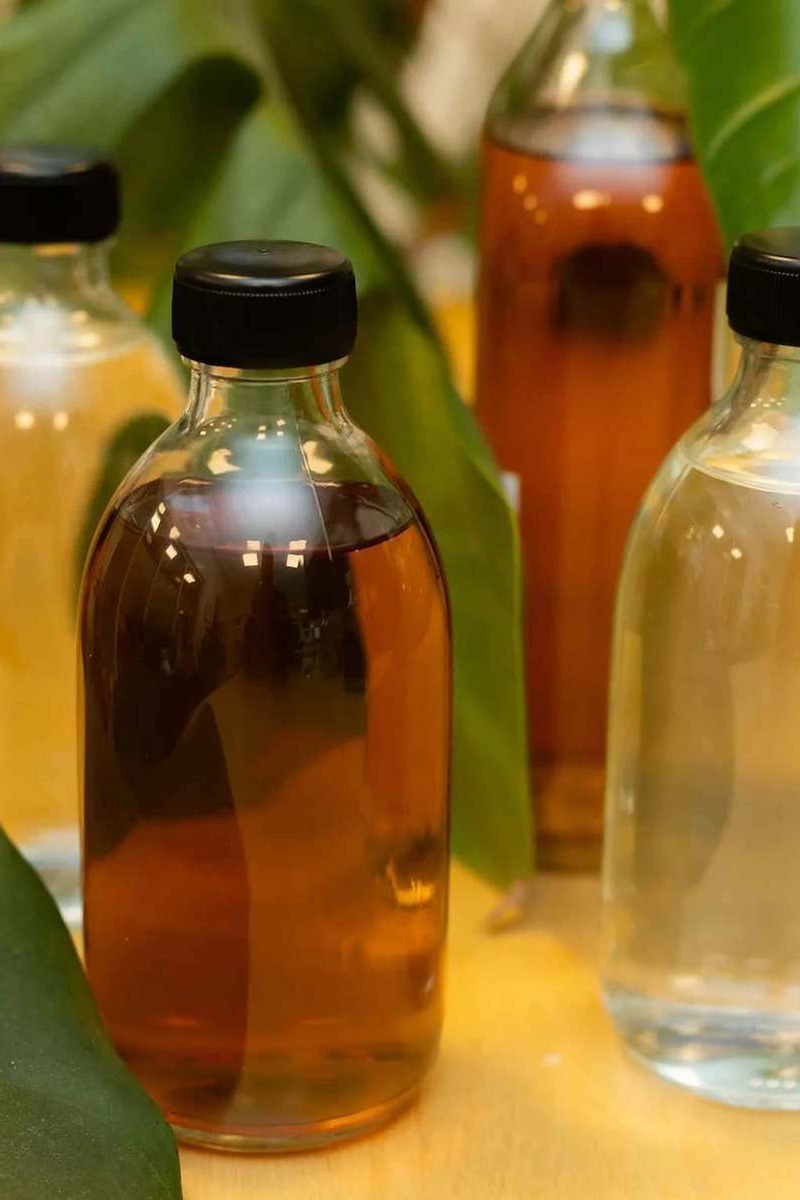
Industrial methylated spirits (IMS) are a form of denatured ethanol used in technical and commercial applications. They contain ethanol combined with approved denaturing agents that make the product unsuitable for drinking.

Many industrial methylated spirits formulations contain more than 70% ethanol, although the exact concentration and composition vary by jurisdiction and product specification.

Denatured alcohol is a broader category, and the terms are not interchangeable in every market. Different formulations may contain methanol, IPA, bittering agents, or other permitted denaturants.

What are methylated spirits used for?

Methylated spirits are commonly used in suitable cleaning products, coatings, and workshop applications. Their uses include removing grease, cleaning compatible hard surfaces, dissolving selected adhesives, and thinning alcohol-soluble finishes.

They may also be used in certain glass-cleaning formulations. When properly formulated, they can help achieve a crystal-clear finish without leaving streaks. However, methylated spirits are highly flammable, and some formulations contain toxic additives. Product suitability must be assessed before use on glass, tiles, countertops, fabrics, or wooden furniture.

Explore Nedstar's denaturants and denatured alcohol solutions to learn more about available formulations.

ethanol-bottles-800x1200

Industrial alcohol vs. drinking alcohol: What's the difference?

Both industrial ethanol and beverage alcohol can contain the same chemical compound, C₂H₅OH. The main differences concern their intended use, purity specifications, permitted additives, and regulatory treatment.

Property

Intended use
Composition
Production
Additives
Taxation
Consumption

Industrial alcohol

Manufacturing, cleaning, fuels, and chemical processing
May contain ethanol, IPA, methanol, or denatured formulations
Fermentation or chemical synthesis, depending on alcohol type
May contain denaturants or technical impurities
May qualify for excise exemptions or relief, depending on regulations

Drinking alcohol

Beverage consumption
Contains food-grade ethanol diluted in a beverage
Primarily fermentation, sometimes followed by distillation
Must comply with applicable food and beverage requirements
Generally subject to beverage alcohol excise duties
Produced for consumption under applicable regulations

Drinking alcohol is generally subject to excise duties because it is an intoxicating beverage. Industrial ethanol may receive tax exemptions or reduced excise treatment when it is properly denatured or used for qualifying industrial purposes.

These rules help distinguish legitimate industrial applications from beverage alcohol and reduce the risk of excise duty evasion. Industrial alcohol should never be consumed. Methanol, IPA, and certain denatured formulations can cause severe poisoning, permanent injury, or death if ingested.


What
makes
Nedstar
different?

reach-darkgreen
Reach

 REACH provides a framework for gathering and evaluating information on the properties, uses, and potential risks of various chemicals. 

nedstar-iso-9001
ISO 9001

ISO 9001 certification ensures our quality management systems meet internationally recognised standards for consistency, efficiency and continuous improvement.

nedstar-ISO-14001-high
ISO 14001

We follow ISO 14001 standards to reduce environmental impact, improve resource efficiency and support enhanced operational performance.

brcgs-darkgreen-1
BRCGS

BRCGS Agents and Brokers certification supports structured risk management, supplier oversight, documentation, and traceability throughout the supply chain.

Nedstar packaging options

Industrial alcohol requires suitable packaging to maintain product quality and support safe storage and transportation.
Nedstar provides flexible bulk logistics solutions for businesses sourcing alcohol in larger volumes.

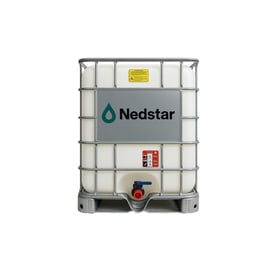
1,000 Litres
IBC tote

IBC Nedstar

Mid-sized shipments: our stackable IBC totes provide an efficient and reliable solution for transporting fusel alcohols.

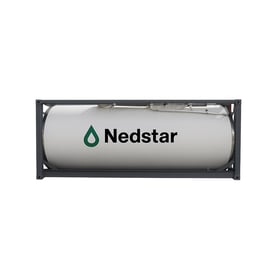
25,000 Litres
ISO container

ISO tank Nedstar

Bulk international shipments: ISO containers offer a secure and efficient option for transporting fusel oils across global supply chains. 

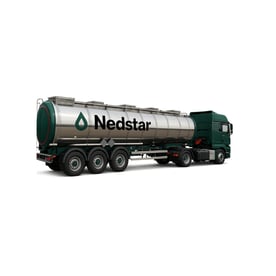
35,000 Litres
Tanktruck

Tank truck Nedstar

Large-volume deliveries: tank trucks provide an efficient solution for regional transport of fusel alcohols. 

Nedstar is your reliable partner for sourcing industrial alcohol

Reliable industrial alcohol supply is essential for manufacturers that depend on consistent solvent quality, predictable deliveries, and efficient procurement.

Nedstar connects businesses with established producers and helps source industrial ethanol, isopropyl alcohol, and suitable denatured formulations according to their technical requirements.

Whether you need alcohol for cleaning applications, chemical manufacturing, cosmetics, or fuel production, our team can help you find the right sourcing solution.

Looking for a dependable bulk industrial alcohol supplier? Contact Nedstar's product specialists to discuss specifications, packaging, delivery requirements, and pricing.

09-10-25maike_schwarz_1

Explore our related product offerings

Botanical_extracts_Nedstar
Bio ethyl acetate

Bio ethyl acetate is a renewable, bio-based solvent used in pharmaceutical manufacturing, chemical processing, and industrial formulations. It offers strong solvency and rapid evaporation, making it suitable for extraction, coatings, and specialised manufacturing applications. 
Isobutanol_Nedstar
Isopropyl alcohol

Isopropyl alcohol is a versatile industrial solvent widely used for cleaning, degreasing, and selected disinfectant formulations. Its solvency and relatively rapid evaporation make it useful across numerous technical applications. 
nedstar-denaturants-dep_2022-09-28-115001_iwcn
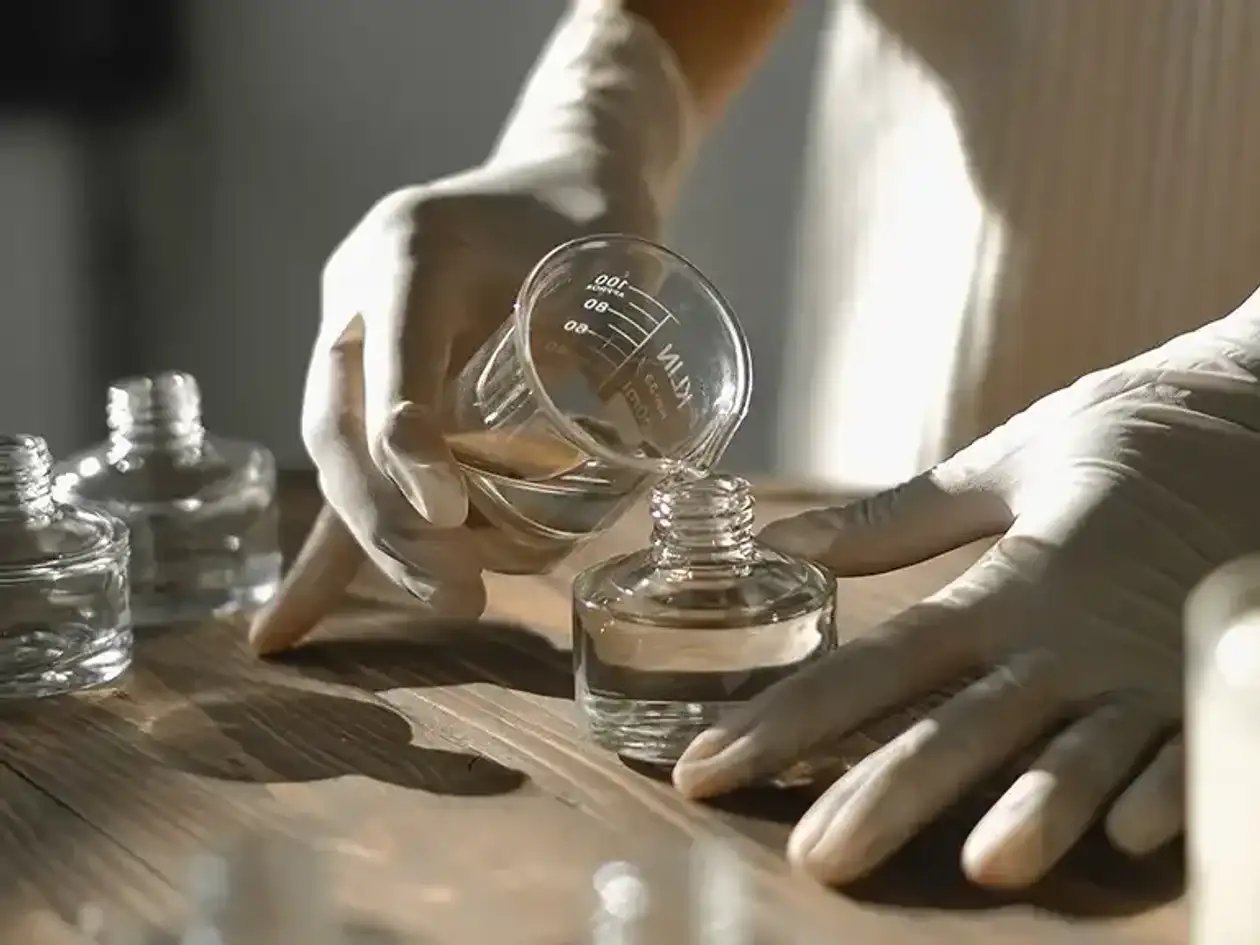
Denatured ethanol

Denatured ethanol is formulated with additives that make it unsuitable for consumption. Different denaturant options support applications in industrial cleaning, coatings, fuels, and chemical manufacturing. 

Frequently Asked Questions