

Fueling a sustainable future with ethanol
Ethanol is more than a renewable fuel, it’s key to a sustainable energy transition. At Nedstar, we supply high-quality ethanol for the fuel and energy industry, from biofuel blending for cleaner transport to ethanol-fuelled fireplaces for innovative heating.
We deliver energy solutions that meet today’s demands while shaping a greener future. Whether you need advanced biofuels or cleaner fuel additives, Nedstar is your trusted partner in sustainable innovation.
Uses and applications
Biofuel and gasoline additives
Our ethanol is used as a renewable fuel source to blend with petrol in order to improve efficiency and reduce emissions. As a biofuel and petrol additive, ethanol enhances combustion, lowers carbon footprints, and is compliant with environmental regulations, making it an essential solution for cleaner energy in the energy market.

2nd-generation biofuels
Our 2nd-generation bioethanol and other biofuels, made from non-food biomass like agricultural waste and coffee residues, offer a sustainable alternative to fossil fuels. By repurposing waste, it reduces reliance on food-based resources and supports the circular economy. Ideal for transport, industrial energy, and off-grid power, 2G biofuels deliver high performance with a lower carbon footprint.

Ethanol-fuelled fireplaces
Nedstar supplies high-quality ethanol for ethanol-fuelled fireplaces, an eco-friendly and modern heating solution for homes, hospitality, and commercial spaces. Our bioethanol fuel burns cleanly without smoke or soot, providing a stylish, low-maintenance alternative to traditional fireplaces.

What
makes
Nedstar
different?

Reach
REACH provides guidelines for gathering and evaluating data about the characteristics and risks associated with various chemicals.

GMO-free
GMO-free (Genetically Modified Organism) certification indicating products do not contain genetically modified organisms.

EU organic
The EU organic certificate stands as a testament to the commitment of agricultural and industrial entities toward sustainable, environmentally friendly practices.

USDA-NOP
The USDA Organic certification (USDA-NOP) sets and enforces U.S. standards for organic products, ensuring integrity and consistency since 2002.
Nedstar packaging options
Exporting ethanol to countries worldwide from over 75 international suppliers requires the appropriate packaging. To make sure that your product arrives safely to its destination, Nedstar has a number of packaging options, suitable for any industry or amount of ethanol.
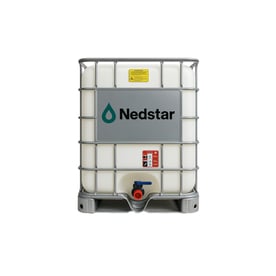
IBC tote

Mid-sized shipments; our stackable IBC totes are widely used by companies across Europe, the US, and Asia for their efficiency and reliability.
ISO container
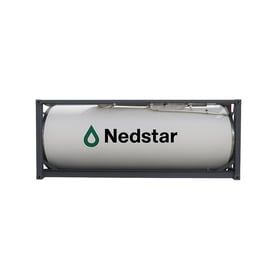
Our ISO tanks support intermodal transport by sea, rail, and road. They are ideal for companies sourcing in medium to large volumes.
Tanktruck
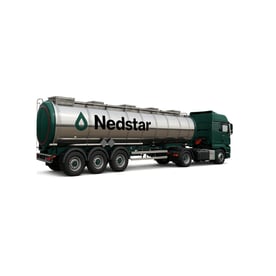
Our tank trucks are widely used across Europe to deliver bulk ethanol by road. They’re a practical option for regional transport and quick distribution.
Power the future with Nedstar!
Explore our ethanol solutions for your energy needs.
Frequently Asked Questions
What is biofuel, and how is it used?
Biofuel is a renewable energy source made from organic materials, such as crops or waste. It can be blended with traditional fuels like gasoline or diesel to reduce emissions and improve efficiency.
What are examples of biofuels?
Examples include ethanol, biodiesel, and sustainable aviation fuel (SAF), which are derived from renewable resources like sugarcane, coffee waste, or vegetable oils.
Why is ethanol important in renewable energy?
Ethanol helps reduce reliance on fossil fuels by providing a cleaner, renewable alternative for various energy applications, including biofuel and power generation.
How does ethanol compare to fossil fuels in terms of sustainability?
Ethanol is a renewable alternative to fossil fuels, derived from biomass instead of finite petroleum. Unlike fossil fuels, which release long-stored CO₂, ethanol operates within the short-term carbon cycle, as plants absorb CO₂ before it’s released during combustion. Ethanol-blended fuels lower emissions, reduce crude oil dependence and support cleaner energy transitions.
What impact does ethanol-blended fuel have on vehicle emissions?
Ethanol-blended fuels, like E10 and E85, burn cleaner than petrol, reducing carbon monoxide (CO), particulate matter, and nitrogen oxides (NOx), key contributors to smog. Its oxygen content improves combustion efficiency, lowering unburned emissions and improving air quality while meeting sustainability regulations.