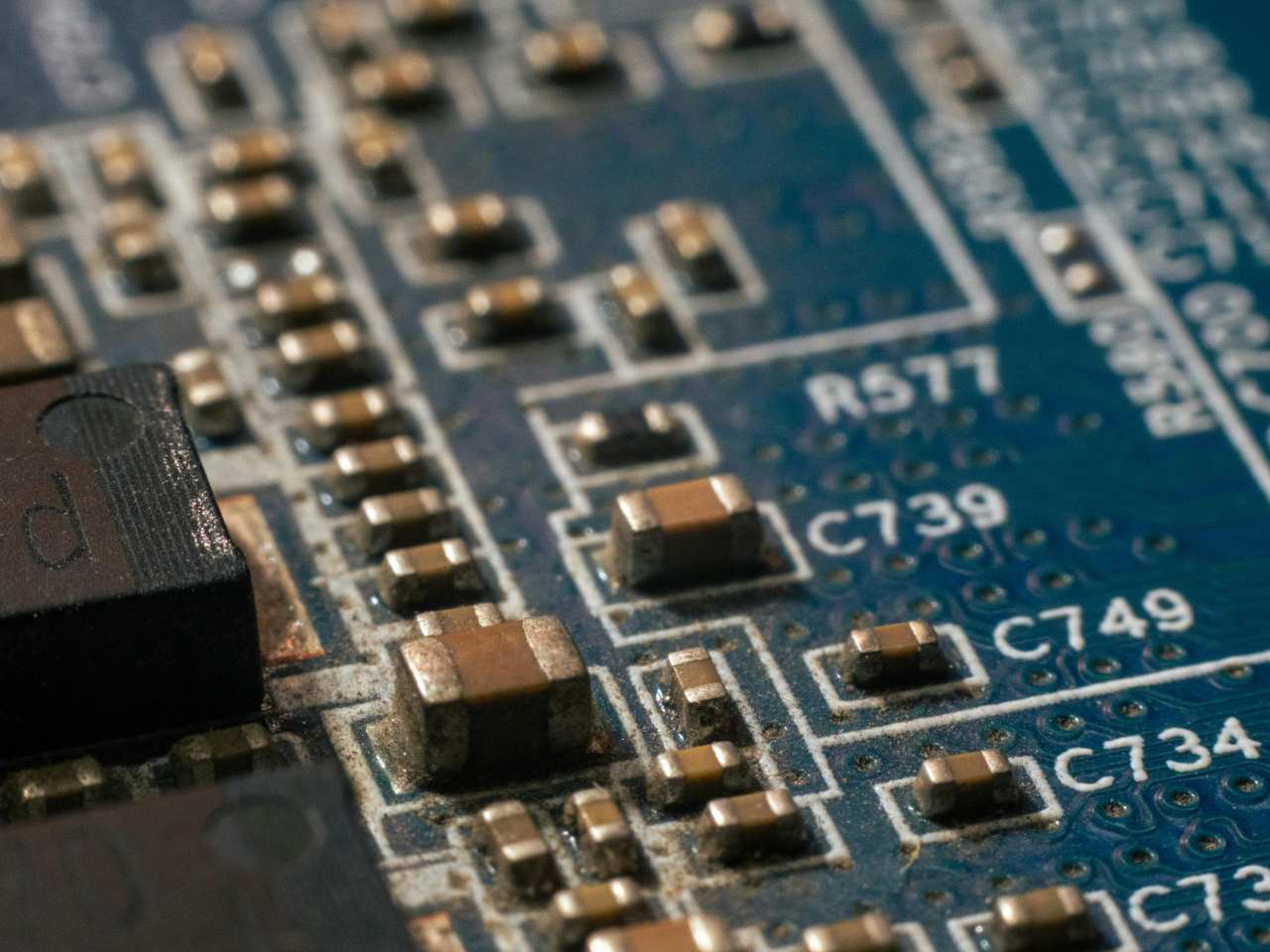


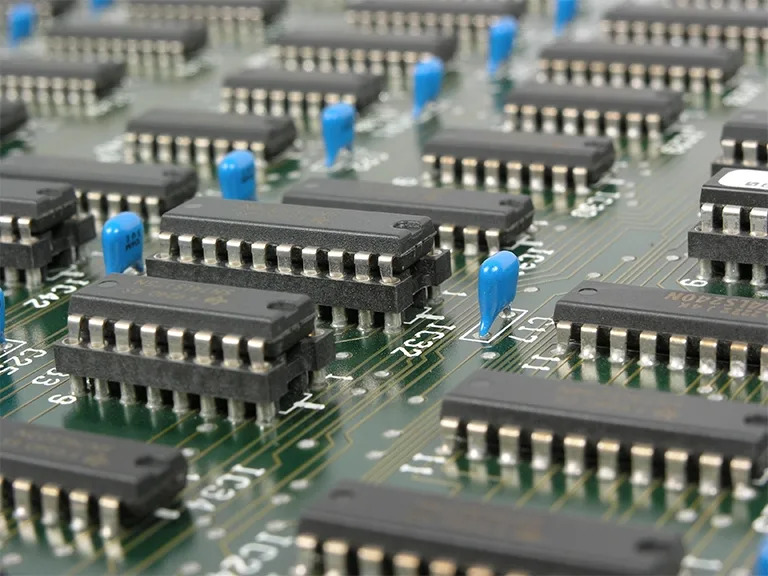
Electronics-grade alcohol
Premium electronics-grade alcohol for your business needs
Looking for high-purity alcohol for electronics manufacturing, maintenance, or precision cleaning? Nedstar helps businesses source alcohol solutions for cleaning electronic components, including anhydrous ethanol and high-purity isopropyl alcohol (IPA).
From printed circuit boards to sensitive electronic assemblies, selecting the right solvent is essential for effective cleaning and material compatibility. With our international producer network, flexible bulk logistics, and tailored sourcing support, we help businesses find alcohol products that meet their technical requirements.
What is electronics-grade alcohol?
Electronics-grade alcohol is high-purity alcohol with very low water content, specified for cleaning electronic components and precision equipment. The most common grades are anhydrous ethanol (ethyl alcohol at 99.9% purity) and high-purity isopropyl alcohol at 99.9%. Both dissolve oils, grease, flux residues, and other contaminants.
What sets electronics-grade alcohol apart from general-purpose cleaning alcohol is water. Lower-concentration products, such as 70% or 91% alcohol, contain 9% to 30% water, which is why they are rarely specified for moisture-sensitive electronics work. Electronics-grade products are selected for their low water content, as well as their residue limits and compatibility with sensitive materials.
The most suitable grade depends on the application, the required cleanliness, and manufacturer recommendations. Not every product labelled as ethyl alcohol or isopropyl alcohol is suitable for sensitive electronics, so always check the specification and certificate of analysis.
Why choose Nedstar as your electronics-grade alcohol supplier
Reliable international sourcing
Nedstar works with trusted alcohol producers to help businesses source high-quality alcohol for electronics manufacturing, maintenance, and industrial cleaning applications across international markets.
Consistent purity and specifications
Our sourcing network helps customers identify alcohol grades with suitable purity, water content, and technical specifications, supporting reliable cleaning performance and manufacturing processes.
Flexible bulk supply and logistics
From packaging and international delivery to product documentation and technical requirements, Nedstar can tailor bulk alcohol sourcing to your order volumes, applications, and destination markets.
Electronics-grade alcohol we offer
Nedstar can help businesses discuss sourcing requirements for alcohol products used in electronics and precision-cleaning applications. Product availability and suitability should be confirmed against the required technical specifications.
Characteristics
Electronics cleaning, technical formulations, and industrial processing
Contact Nedstar's product specialists to discuss available alcohol grades, product documentation, and bulk sourcing options.
Why water content matters in electronics cleaning
Water is the main reason electronics-grade alcohol is specified differently from household or general-purpose alcohol. Even small amounts of moisture can cause problems in precision work:
- Slower drying: water evaporates more slowly than alcohol, so higher-water products can leave moisture in connectors or under components.
- Corrosion risk: retained moisture, combined with dissolved ionic contaminants, can contribute to corrosion and electrical leakage.
- Residues and staining: water can leave spotting or dissolved residues on boards and optical surfaces as it dries.
- Process consistency: in manufacturing, variable water content makes cleaning results harder to control.
This is why anhydrous and 99.9% grades are the preferred choice for moisture-sensitive applications. Low water content is only one part of the specification. Buyers should also look at non-volatile residue, ionic content, and the denaturants used, where relevant.
How is electronics-grade alcohol produced?
Electronics-grade alcohol undergoes production and purification processes designed to achieve the required solvent concentration and impurity specifications. The exact process depends on whether the product is isopropyl alcohol or ethanol.
Raw material processing
Isopropyl alcohol is commonly manufactured from propylene through industrial chemical processes. Ethyl alcohol can be produced through fermentation of agricultural feedstocks or suitable synthetic production routes.
Alcohol production
IPA is typically produced through propylene hydration, while fermentation-derived ethanol is produced when yeast converts fermentable sugars into alcohol and carbon dioxide.
Distillation
Distillation separates and concentrates the alcohol while removing water and other components. The required concentration depends on the intended electronics-cleaning application.
Further purification and quality control
Additional purification may be used to reduce water, dissolved residue, and other impurities. Electronics-grade specifications can include limits for moisture, non-volatile residue, and selected contaminants, with testing requirements determined by the product grade.
Anhydrous ethanol for electronics
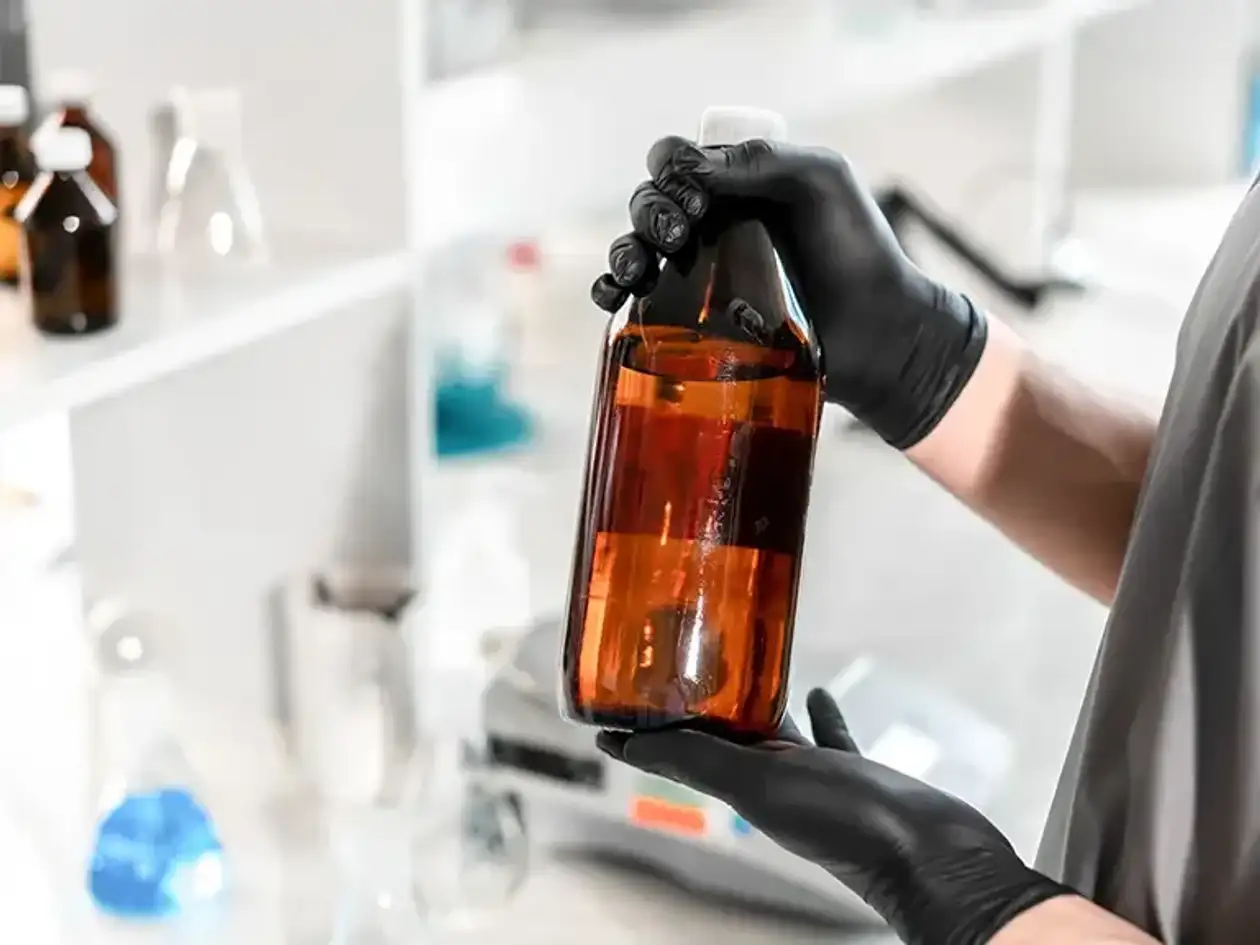
Anhydrous ethanol is ethyl alcohol with virtually all water removed, typically supplied at 99.9% purity. Its main applications include electronics cleaning, pharmaceutical and laboratory use, and technical formulations, which makes it one of the most widely used grades for moisture-sensitive electronics work.
Because it contains so little water, anhydrous ethanol dries quickly and leaves little behind, which suits circuit boards, connectors, and assemblies where retained moisture is a risk. It can be sourced from fermentation-derived or synthetic production routes, depending on your requirements.
Handling and storage
Anhydrous ethanol is hygroscopic, which means it absorbs moisture from the air. To keep it anhydrous, store it in tightly closed, appropriate packaging and limit exposure to humid air. It is also highly flammable, so handling and storage should follow your safety data sheet and local regulations.
Denatured or pure?
Depending on local regulations and tax frameworks, anhydrous ethanol may need to be supplied denatured. Denaturants can affect residue and compatibility, so the right choice depends on your process. Nedstar offers a range of denaturing options. See the FAQs below for more detail.
High-purity isopropyl alcohol (IPA) for electronics
Isopropyl alcohol is widely used for cleaning electronics because it dissolves many common contaminants and evaporates quickly. For electronics-grade use, 99.9% IPA is the relevant grade, as its water content is very low. It supports both routine maintenance and specialised manufacturing processes when the solvent and the cleaning method are appropriate.
IPA should not automatically be used on computer monitors, phone screens, or coated surfaces. Many device makers recommend specific cleaning products and procedures to protect display coatings and sensitive plastics.
Choosing the right alcohol concentration for electronics
Selecting the right concentration depends on the component, the cleaning requirements, water sensitivity, and material compatibility.
Lower-concentration products are popular for household device cleaning because they are easy to find, but they are not electronics-grade. Higher water content prolongs drying and increases the risk of moisture remaining around connectors or trapped beneath components. Water does not automatically cause damage, but retained moisture and dissolved contaminants can contribute to corrosion or electrical problems. For manufacturers, selection should also consider solvent purity, dissolved residue, packaging, material compatibility, and the cleaning method.
The table below applies to both ethanol and IPA.
Concentration
Approximate water content
Suitability for electronics
Contact Nedstar’s specialists to discuss suitable bulk alcohol specifications for your electronics applications.
Applications
What is alcohol used for in electronics?
Both anhydrous ethanol and high-purity IPA are widely used in electronics because they dissolve many common contaminants and evaporate quickly. They support routine maintenance and specialised manufacturing processes when the solvent and the cleaning method are appropriate.
Printed circuit boards and electronic components
- Cleaning compatible printed circuit boards
- Removing suitable soldering flux residues after soldering
- Cleaning connectors and contact areas
- Removing oils, grease, and fingerprints
- Cleaning compatible components during assembly and maintenance
- Removing dust and other contaminants with appropriate cleaning tools
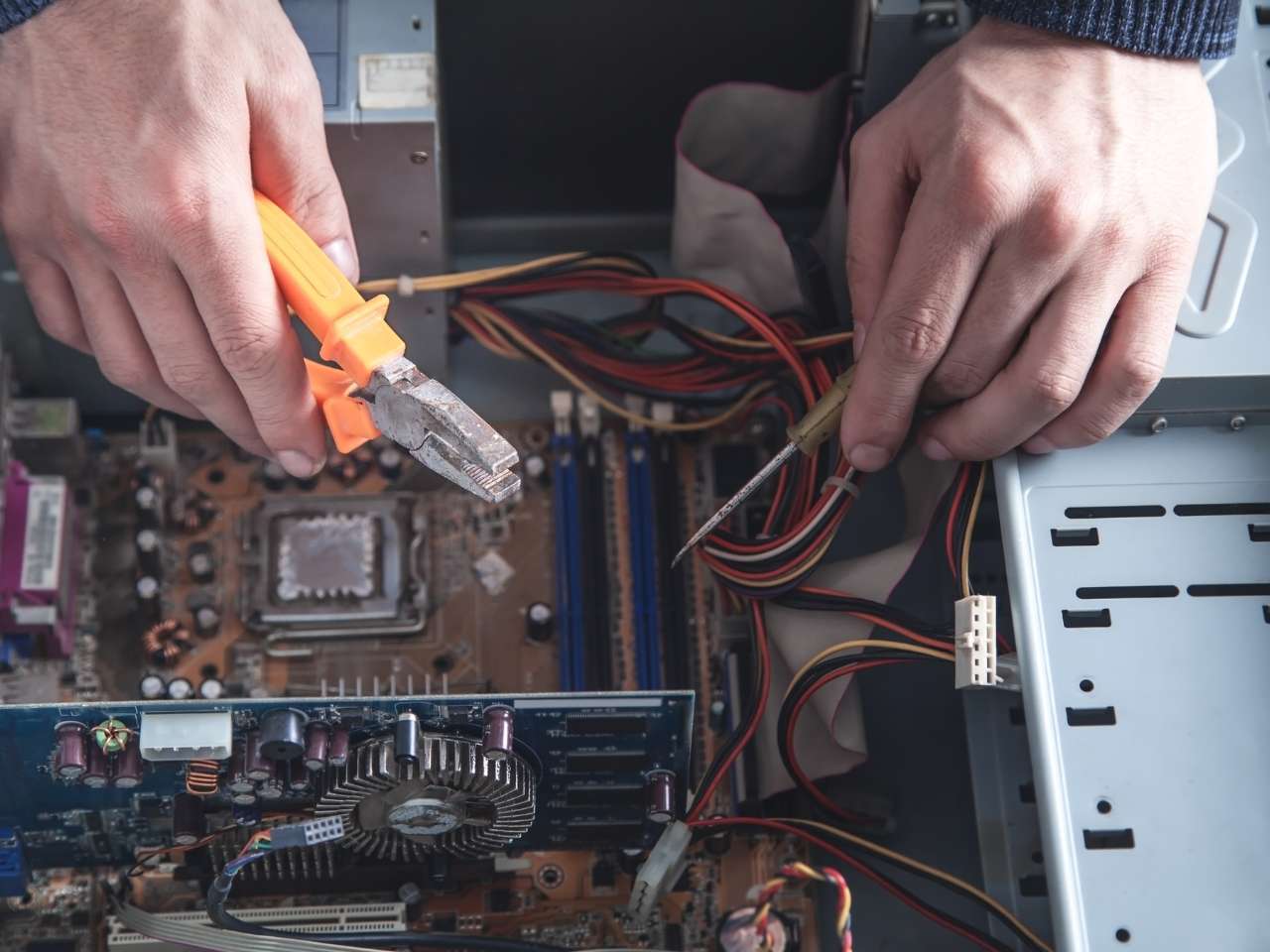
Computer and device maintenance
- Removing old thermal paste from compatible CPU and GPU surfaces
- Cleaning compatible heat spreaders and cooling components
- Removing selected adhesive residues
- Cleaning accessible areas of game controllers
- Maintaining suitable computer components and peripheral equipment
Industrial and precision-cleaning applications
- Removing compatible oils and processing residues
- Cleaning precision tools and manufacturing equipment
- Preparing surfaces before suitable bonding or coating processes
- Cleaning electronic assemblies during repair and rework
- Supporting controlled cleaning processes in electronics manufacturing
Key attributes of electronics-grade alcohol
High purity and low water content
High-purity alcohol helps minimise unwanted impurities and moisture during cleaning. Products with lower water content are particularly useful for applications involving moisture-sensitive electronic components.
Effective removal of contaminants
Isopropyl alcohol dissolves many oils, grease deposits, and compatible adhesive residues. It is also commonly used for removing flux after soldering, although some no-clean and water-soluble flux formulations require different cleaning methods.
Rapid evaporation and minimal residue
High-purity IPA evaporates relatively quickly and can leave minimal residue when the solvent, surface, and cleaning process are sufficiently clean. Drying time depends on concentration, temperature, ventilation, and whether liquid becomes trapped beneath components.
Broad cleaning applications
From circuit boards and thermal paste removal to precision equipment maintenance, electronics-grade alcohol supports numerous manufacturing and cleaning processes when applied correctly.
Is ethyl alcohol or isopropyl alcohol better for cleaning electronics?
Both ethyl alcohol and isopropyl alcohol can be effective solvents for electronics cleaning, but they have different properties and material compatibility considerations.
IPA is widely used for cleaning printed circuit boards, removing soldering flux, and dissolving oils or grease. Ethanol is gentler on plastics than IPA, so ethyl alcohol can also be used for suitable cleaning applications, particularly when a high-purity grade is available. Neither solvent is universally safer for plastics. Both can affect sensitive materials, so manufacturers should verify compatibility before cleaning.
Property
Isopropyl alcohol
Ethyl alcohol
Can you use ethyl alcohol to clean electronics?
Yes, high-purity ethyl alcohol can be used to clean compatible electronic components. However, denatured ethanol and general-purpose alcohol products may contain additives that leave residues or damage sensitive surfaces.
Use a suitable technical grade and follow the component manufacturer's recommendations.
What
makes
Nedstar
different?

Reach
REACH provides a framework for gathering and evaluating information on the properties, uses, and potential risks of various chemicals.
ISO 9001
ISO 9001 certification ensures our quality management systems meet internationally recognised standards for consistency, efficiency and continuous improvement.

ISO 14001
We follow ISO 14001 standards to reduce environmental impact, improve resource efficiency and support enhanced operational performance.

BRCGS
Nedstar works with certification programmes recognised by BRCGS, supporting high standards of product safety, quality, and supply chain management. The BRCGS Agents and Brokers Standard emphasises risk management, supplier monitoring, documentation, and traceability throughout the supply chain.
Nedstar packaging options for bulk electronics-grade alcohol
Reliable bulk alcohol sourcing requires packaging that protects product quality and supports safe transportation. Nedstar offers flexible logistics solutions for customers purchasing industrial alcohol in larger quantities.
IBC tote

Mid-sized shipments; our stackable IBC totes are widely used by companies across Europe, the US, and Asia for their efficiency and reliability.
ISO container
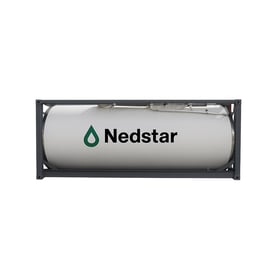
Our ISO tanks support intermodal transport by sea, rail, and road. They are ideal for companies sourcing in medium to large volumes.
Tanktruck
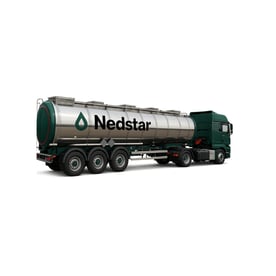
Our tank trucks are widely used across Europe to deliver bulk ethanol by road. They’re a practical option for regional transport and quick distribution.
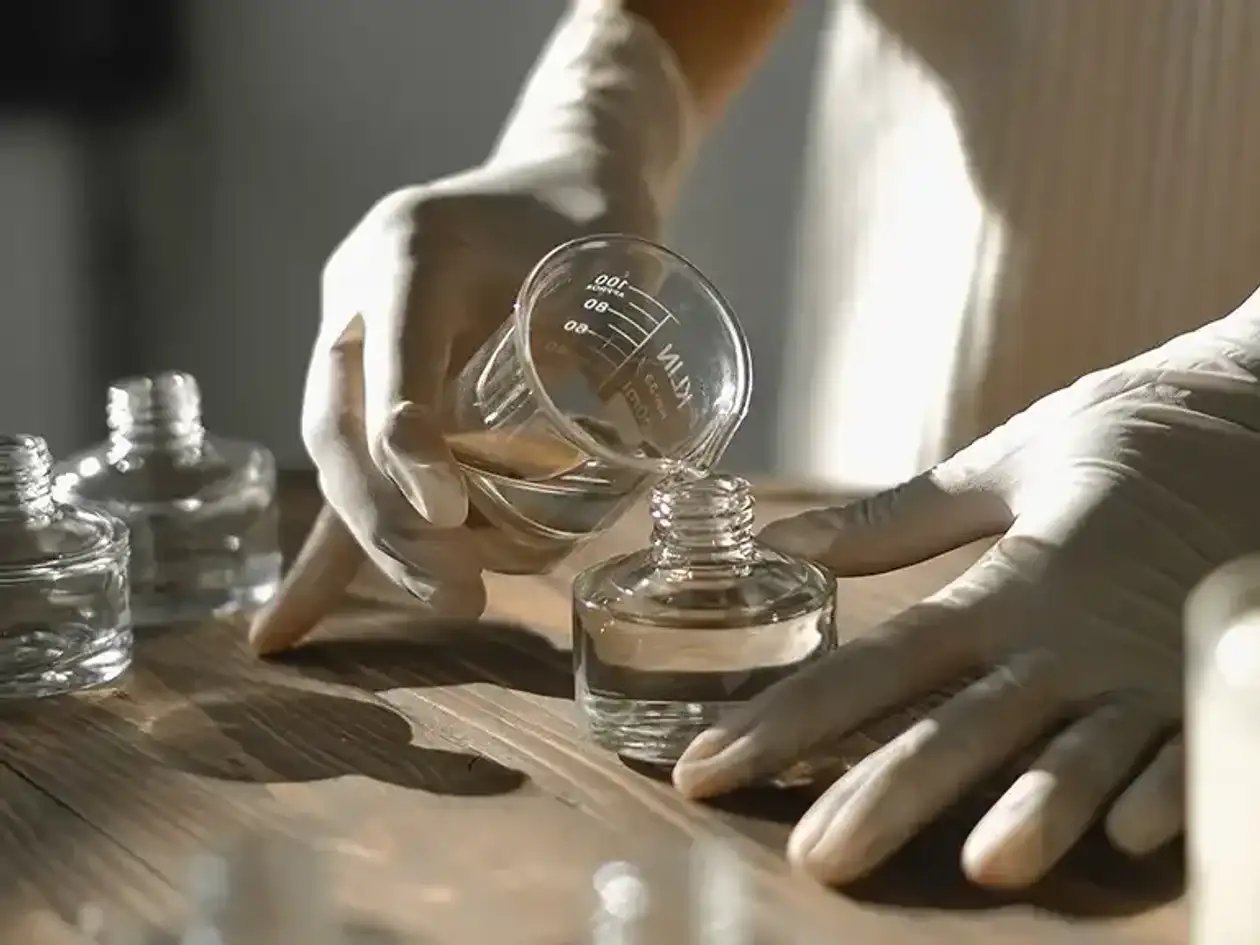
Nedstar is your reliable partner for sourcing electronics-grade alcohol
Working with an experienced alcohol supplier helps electronics manufacturers maintain consistent solvent quality, reliable availability, and efficient international delivery.
Nedstar connects businesses with established producers and supports bulk alcohol sourcing according to required purity, water content, product specifications, packaging, and destination markets.
Looking for high-purity alcohol for electronics cleaning or industrial manufacturing? Contact Nedstar's product specialists to discuss your requirements, available grades, and a tailored supply solution.
Explore our related product offerings
Anhydrous alcohol
Anhydrous ethanol is high-purity ethyl alcohol with very low water content, making it suitable for various industrial solvent applications. It can be considered for specialised electronics-cleaning processes where the required purity and material compatibility are confirmed.
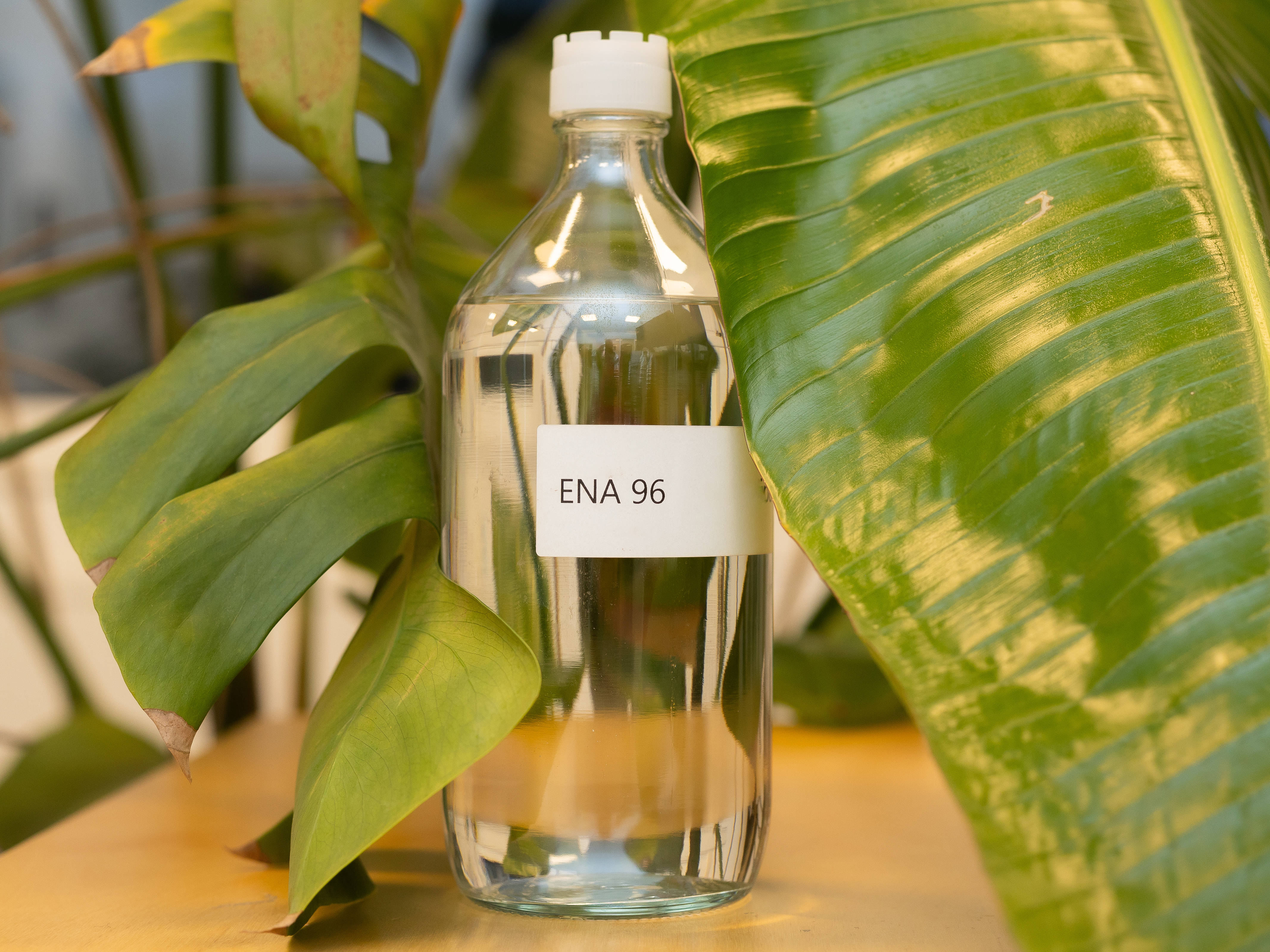
Extra neutral alcohol (ENA)
Extra neutral alcohol is highly purified ethanol with a clean, neutral sensory profile. It is widely used in beverages and other formulations, although electronics applications may require different water-content and residue specifications.
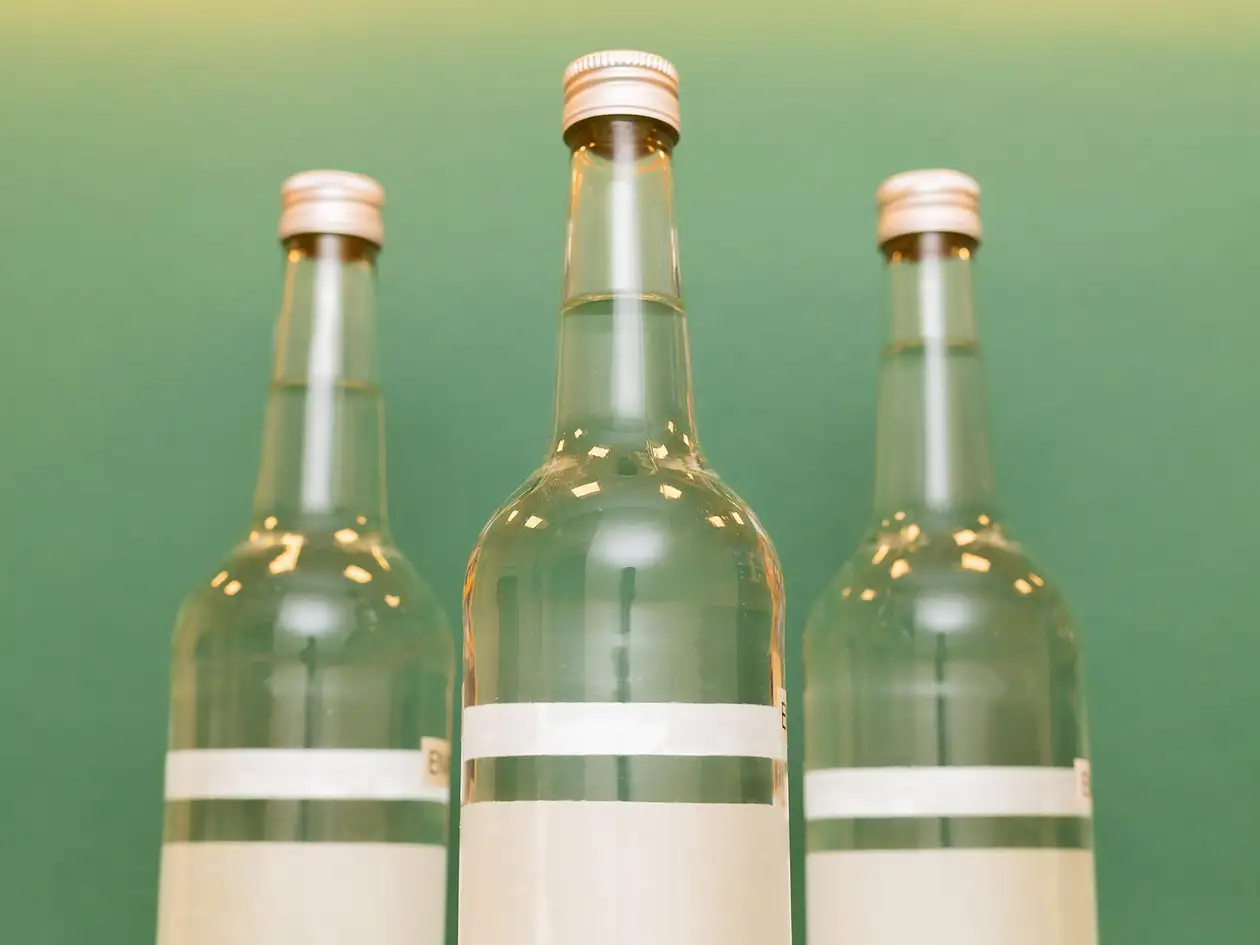
Denatured alcohol
Denatured alcohol contains additives that make it unsuitable for consumption and is commonly used in industrial cleaning and technical formulations. Its suitability for electronics depends on the denaturants, residue limits, and product specifications.
Frequently Asked Questions
What is electronics-grade alcohol?
Electronics-grade alcohol is an ultra-pure form of ethanol or isopropyl alcohol specifically refined for cleaning and manufacturing sensitive electronic components. It contains minimal water, ionic, or organic impurities, ensuring safe use in precision environments like semiconductor or PCB production.
Why purity matters in electronics cleaning?
Any residual water, minerals or ionic compounds in cleaning solvents can interfere with electron flows in semiconductors, sensors or PCBs, triggering short circuits, corrosion or device failure. Using sub-standard solvents may lead to catastrophic failures in high-precision electronics manufacturing or repair.
What’s the difference between ethanol and isopropyl alcohol (IPA) for electronics?
When comparing ethyl alcohol vs. isopropyl alcohol for cleaning electronics, both are effective solvents, but IPA is preferred for highly sensitive cleaning tasks due to its faster evaporation and lower residue risk. Ethanol is an excellent, cost-efficient alternative for less critical applications where trace oil films aren’t an issue.
Can electronics-grade ethanol or IPA damage components?
When used correctly, no. Both ethanol and IPA are safe for most plastics, metals, and coatings. However, always test on sensitive materials like acrylics or certain adhesives, as prolonged exposure might cause minor softening.
Do I need denatured or pure alcohol for electronics applications?
This depends on local regulations and tax frameworks. Nedstar offers custom denatured formulations, including DEP, MEK, Bitrex, TSDA, and Euro-denatured blends, ensuring compliance without compromising purity or cleaning performance.
Can I use 91% isopropyl alcohol to clean my CPU?
Yes, 91% isopropyl alcohol is generally safe for removing old thermal paste from a CPU. Turn off and disconnect the device, apply a small amount to a lint-free cloth, and allow the surface to dry completely before reconnecting power. For sensitive components, 99% IPA is preferable due to its lower water content.
Is isopropyl alcohol conductive?
Pure isopropyl alcohol has very low electrical conductivity, but commercial IPA solutions contain water and may dissolve conductive contaminants. Never assume a wet circuit is safe to power on. Disconnect electricity and allow components to dry completely.
Can I clean my USB-C port with isopropyl alcohol?
Yes, high-purity isopropyl alcohol can be used to clean compatible USB-C ports if the device manufacturer permits it. Turn off the device, disconnect power, and use a small amount with an appropriate cleaning tool. Avoid excess liquid, and let the port dry completely before reconnecting power.
Is 99% isopropyl alcohol safe for cleaning circuit boards?
Yes, high-purity 99% IPA is commonly used for cleaning compatible printed circuit boards because of its low water content and rapid evaporation. However, it can affect certain coatings, adhesives, and plastics, so compatibility should be checked.
Can I use 70% isopropyl alcohol for electronics?
70% IPA is generally less suitable for sensitive electronics because it contains approximately 30% water. This can slow drying and leave moisture in difficult-to-reach areas. Higher-purity IPA is usually preferable for PCB cleaning.
Is 91% isopropyl alcohol flammable?
Yes, 91% isopropyl alcohol is highly flammable and should be used in well-ventilated areas away from ignition sources. Pure isopropyl alcohol has a flash point of approximately 12°C, making proper storage and handling essential for safe electronics cleaning.
Can isopropyl alcohol damage plastics and display coatings?
Yes, isopropyl alcohol can damage certain plastics, adhesives, and display coatings. Avoid using it on unapproved screen coatings, and always check material compatibility. Acetone, commonly found in nail polish remover, can also damage ABS plastics used in electronics.