








Feedstock selection
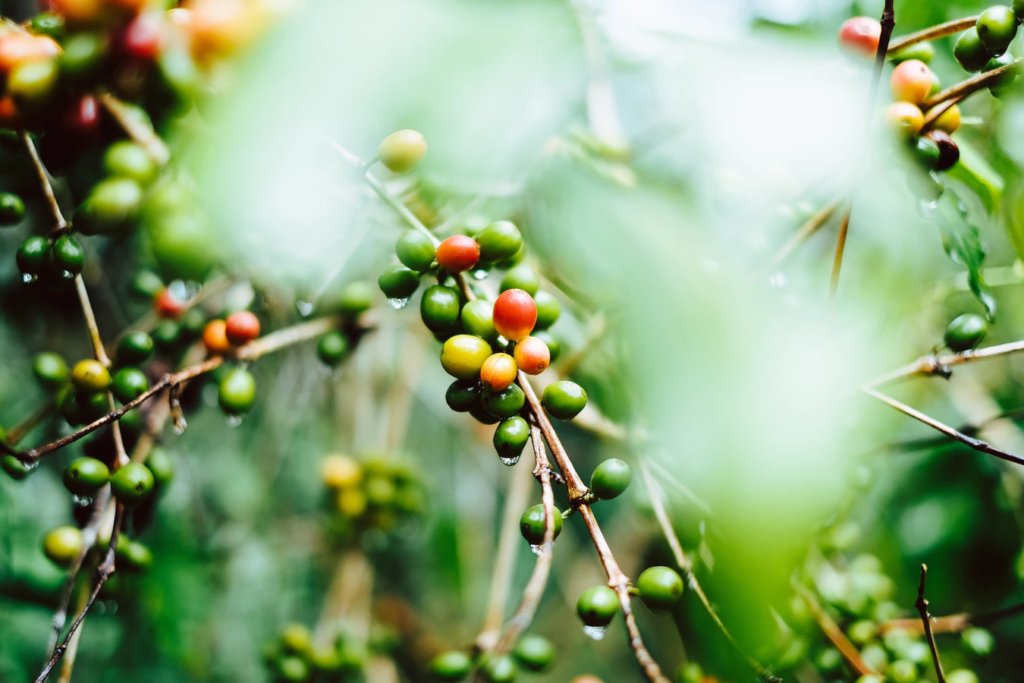
The process begins with agricultural feedstocks such as grain, sugar cane, or other biomass sources suitable for ethanol production.

Fermentation
Natural sugars are converted into ethanol through a controlled fermentation process.

Distillation
The alcohol is distilled and purified to achieve the high proof alcohol required for fragrance applications.

Quality control and formulation suitability
The finished alcohol undergoes testing to ensure purity, consistency, and suitability for perfume making and personal care products.

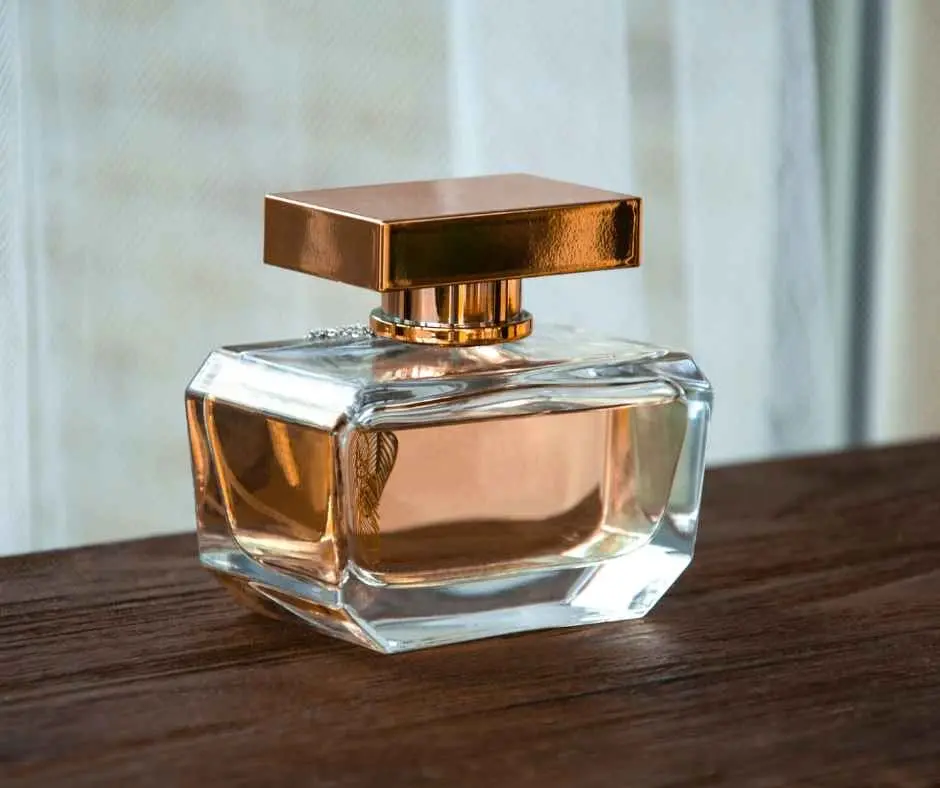
Fine fragrances
- Eau de parfum (EDP)
- Eau de toilette (EDT)
- Eau de cologne
- Perfume extracts
- Body mists
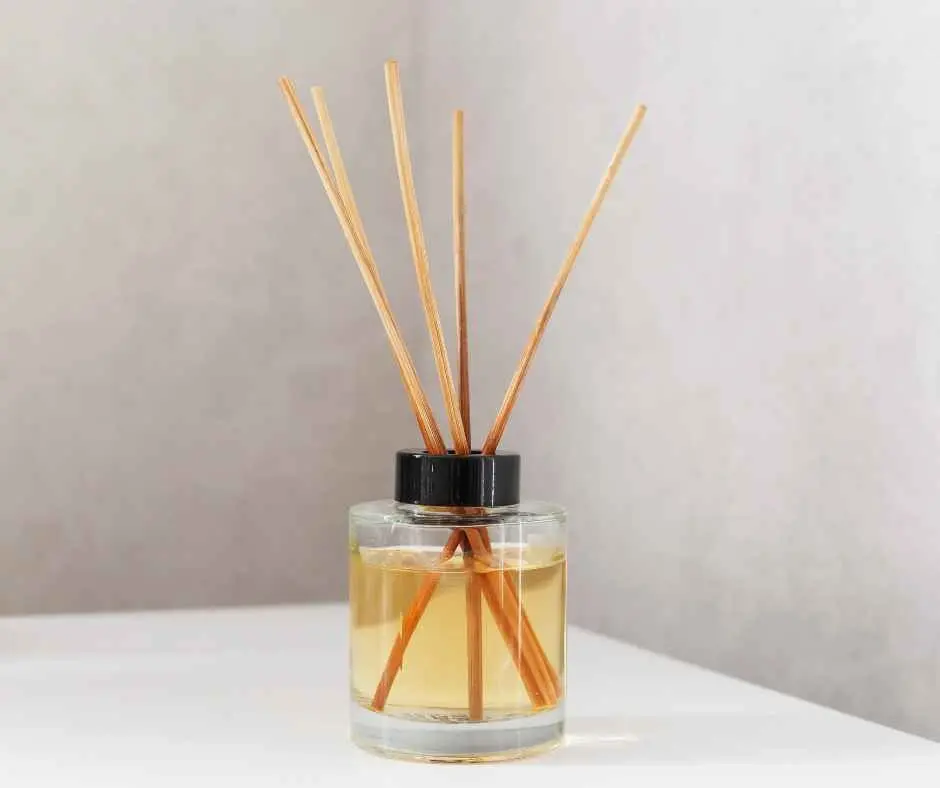
Home fragrance products
- Room sprays
- Linen sprays
- Reed diffusers
- Diffuser oils
- Air fresheners
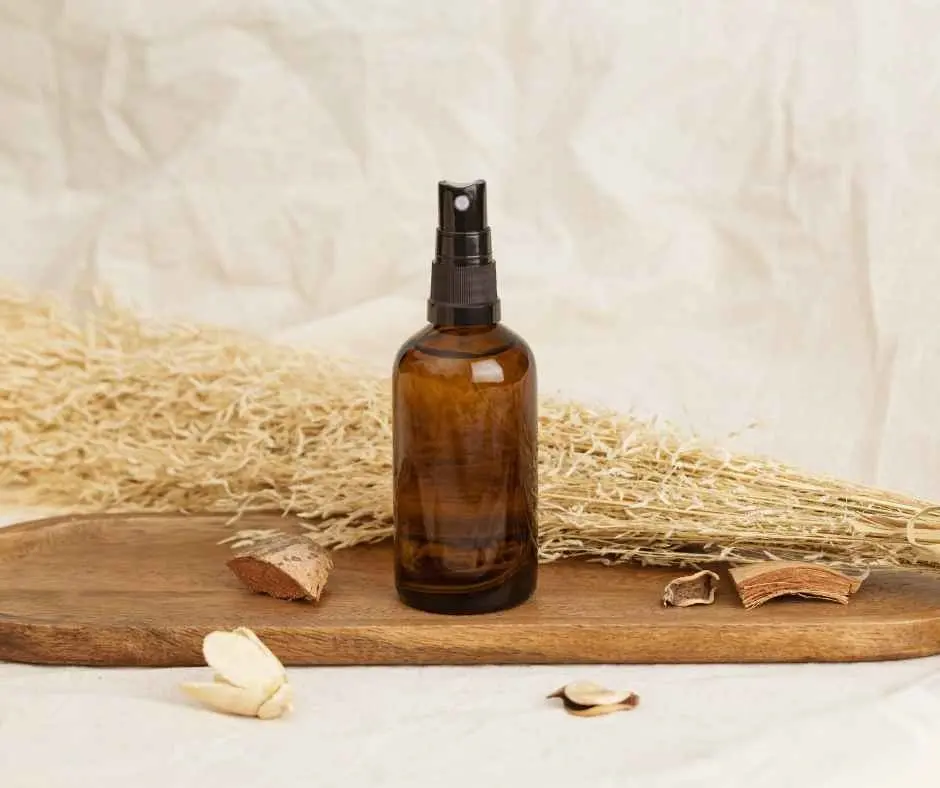
Personal care and cosmetics
- Body sprays
- Fragrance mists
- Cosmetic sprays
- Hair perfumes
- Aftershaves
Fragrance manufacturing
- Blending essential oils
- Diluting fragrance concentrates
- Dissolving aromatic ingredients
- Perfume formulation
- Fragrance product development

Excellent solvent performance
Helps dissolve fragrance oils, essential oils and ethanol-soluble ingredients.

Volatility
Alcohol evaporates quickly after application, helping release fragrance notes effectively.

Clear and stable formulations
Supports blended solutions that remain clear and visually appealing throughout their shelf life.

Formulation flexibility
Available in multiple grades and feedstock origins to support different fragrance concepts and market requirements.


ISCC+
ISCC+ supports responsible sourcing and supply-chain traceability.

REACH & ECHA Art.-95
Nedstar provides cosmetic-grade perfumer’s alcohol certified for EU regulatory compliance.
GMP
Nedstar sources high-purity alcohol from trusted producers operating under GMP standards to support the quality and consistency required for perfume formulations.

ISO 14001
We follow internationally recognised environmental management standards.
IBC tote
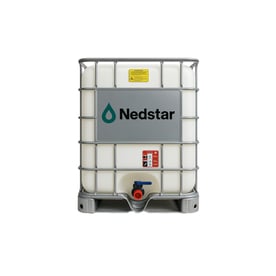
A practical solution for medium-sized fragrance manufacturing operations.
ISO container
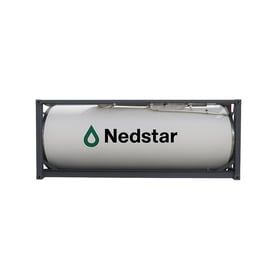
Suitable for international bulk transport via road, rail and sea.
Tanktruck
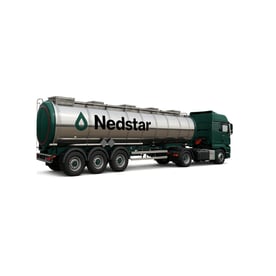
Efficient regional distribution for large-volume fragrance manufacturers.
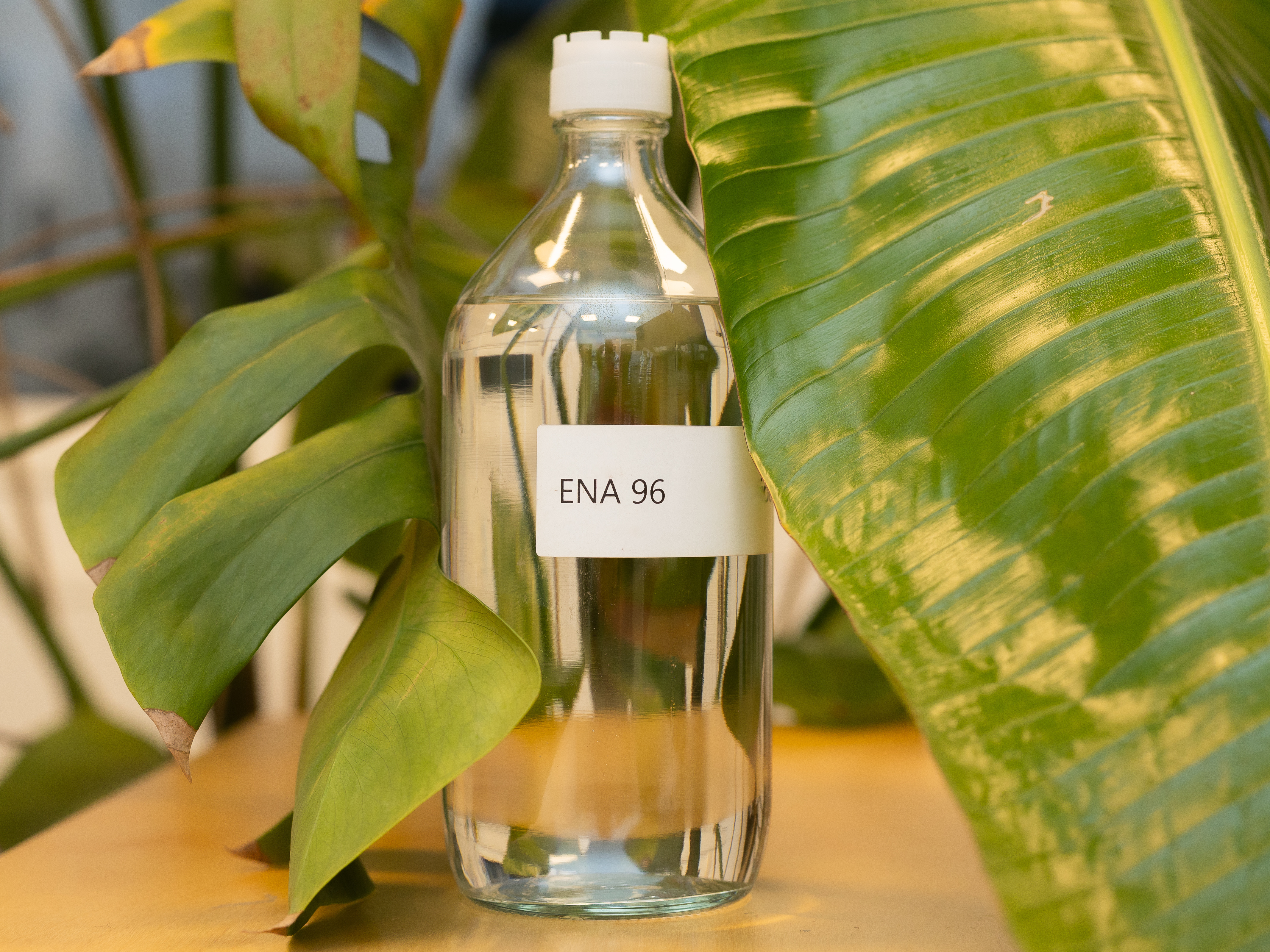
Extra neutral alcohol (ENA)
High-purity ethanol is widely used in fragrance, cosmetic and pharmaceutical formulations.
Cosmetic-grade ethanol
Versatile high-purity alcohol suitable for personal care, fragrance, and cosmetics industries.
Denaturants
Essential additives that give ethanol toxic properties to ensure that non-food products comply with regulations.