Choosing between neutral alcohol and industrial ethanol is more than a technical decision. It can affect product quality, regulatory compliance, and manufacturing performance. But what is neutral alcohol, and how does it differ from industrial ethanol? Read our ultimate guide to explore the key differences, production methods, and industrial uses of both raw materials to help you choose the right alcohol for your application.
What is neutral alcohol?
Neutral alcohol is a highly purified form of ethyl alcohol that has been distilled to remove most impurities, flavours, colours, and aromas. The result is a neutral spirit with very little taste or smell.
Depending on the feedstock and production method, neutral alcohol may also be referred to as neutral grain alcohol, neutral grain spirit, extra neutral alcohol (ENA), grape neutral spirit or rectified alcohol.
The primary characteristic of neutral alcohol is its purity. Because it contains minimal impurities, it can serve as a base ingredient in a wide variety of applications without affecting the flavour, aroma or performance of the final product.
How is neutral alcohol made?
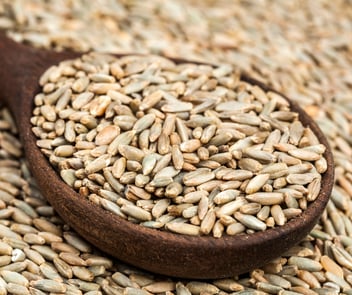
The production of neutral alcohol begins with the fermentation process. Agricultural feedstocks containing sugar or starch are converted into fermentable sugars before yeast transforms those sugars into ethanol and carbon dioxide. Common feedstocks include:
- Wheat
- Corn
- Rye
- Molasses
- Sugar beet
- Grapes
After fermentation, the alcohol is distilled multiple times to increase concentration and remove impurities. Additional purification and rectification steps produce a highly concentrated ethanol with a neutral profile. The resulting alcohol typically reaches concentrations above 95% ABV before being diluted or processed further, depending on the intended application.
What is neutral alcohol used for
Neutral alcohol is valued for its high purity, neutral flavour profile, and excellent solvent properties, making it suitable for a wide range of industries:
Beverage production
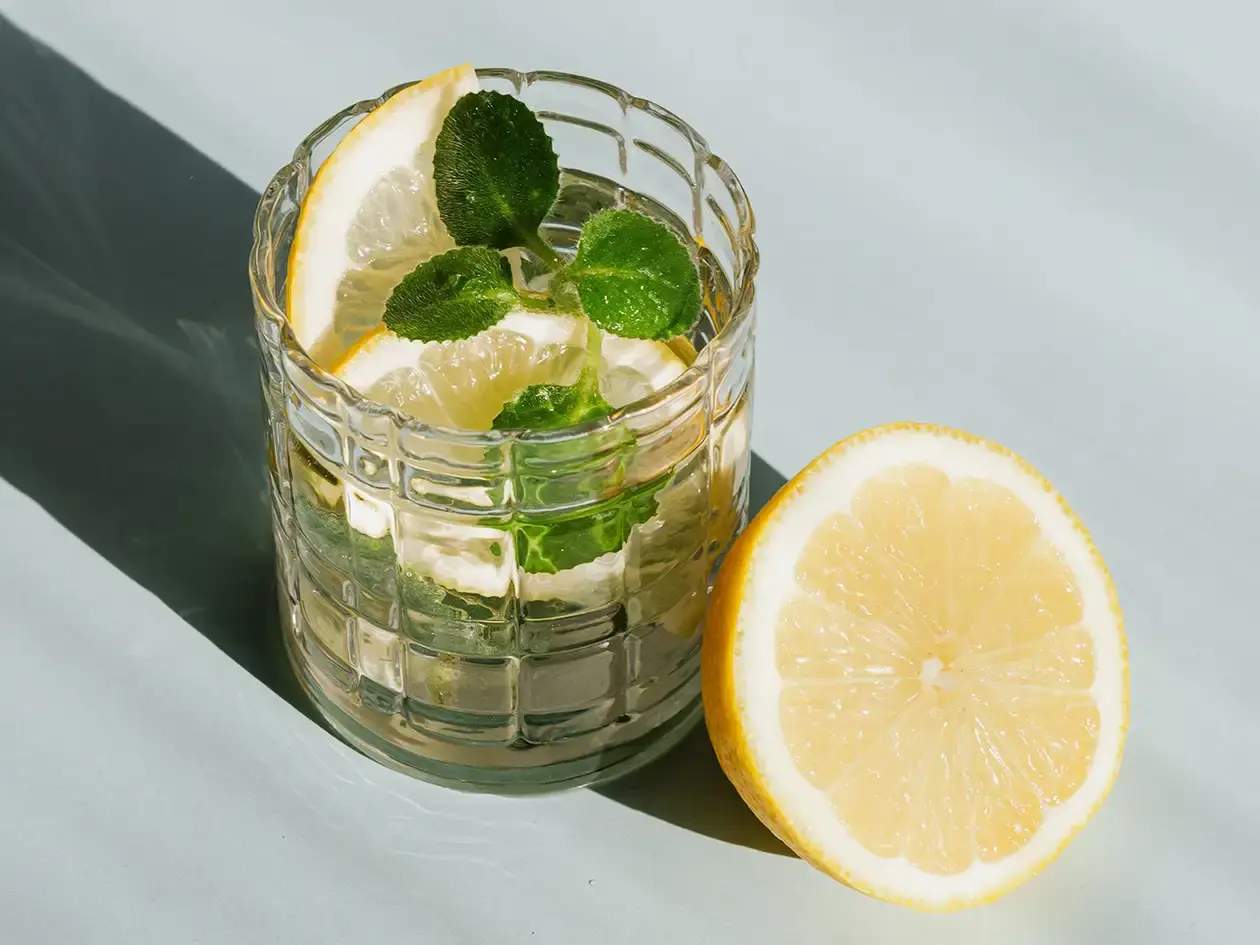
Neutral grain alcohol is widely used as a base ingredient for vodka, gin, commercial and homemade liqueurs, bottled wine production (vinous alcohol), and other spirits. Its neutral taste allows distillers to create consistent alcoholic drinks while preserving the intended flavours of botanicals, fruit, or other ingredients.

Cosmetics and personal care
Extra neutral alcohol is a key ingredient in perfumes, deodorants, and other cosmetic products. It acts as a solvent that helps blend ingredients evenly while evaporating quickly, allowing fragrances and active ingredients to perform as intended.
Pharmaceutical applications
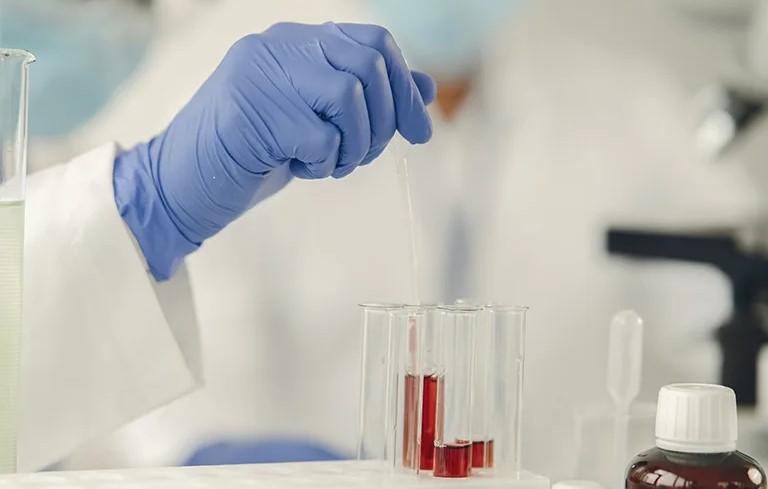
High-purity neutral alcohol is commonly used in pharmaceutical manufacturing as a solvent, preservative, and processing aid. Its consistent quality makes it suitable for medicinal formulations, tinctures, disinfectants, and extraction processes where product purity is critical.
Industrial manufacturing
Beyond consumer goods, neutral alcohols can also be used in cleaning products, chemical processing, laboratory applications, and industrial formulations. Their solvent properties, high concentration, and reliable quality make them valuable across numerous manufacturing sectors.
What are the pros and cons of neutral alcohol?
When selecting neutral alcohol for beverage, pharmaceutical or industrial applications, it is important to consider both its advantages and limitations in relation to your formulation, production process, and end-use requirements.
Pros
Cons
What is industrial ethanol?
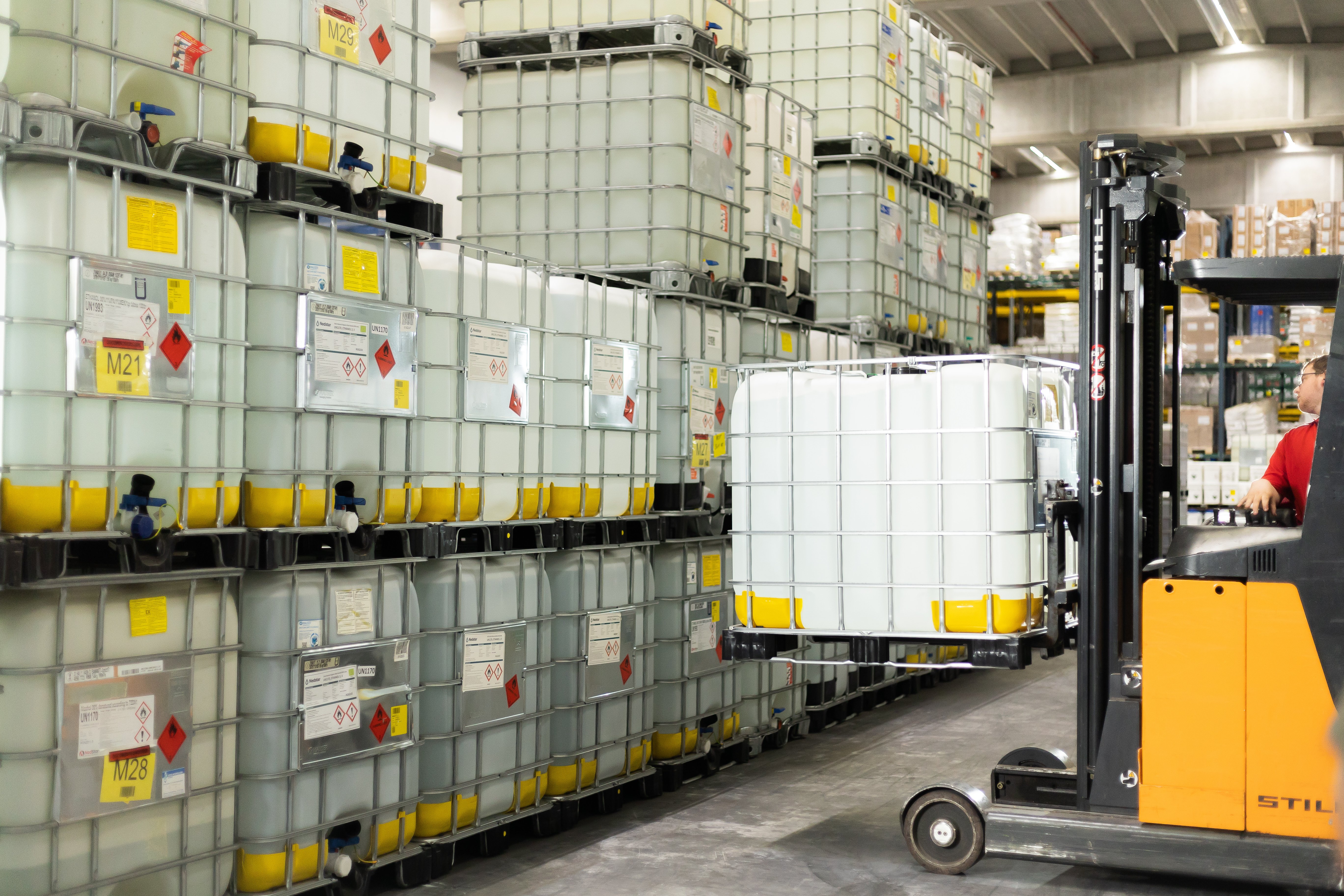
Industrial ethanol is ethanol produced for non-beverage applications. While chemically identical to ethanol used in alcoholic beverages, industrial ethanol is intended for manufacturing, technical, and commercial purposes.
Industrial manufacturers produce ethanol in different grades based on purity requirements, regulations, and performance characteristics (e.g., undenatured ethanol, denatured ethanol, extra neutral alcohol, anhydrous ethanol).
How is industrial ethanol made?
The industrial production of ethanol follows the same fundamental principles as beverage alcohol production, but the final specification is tailored to technical applications rather than consumption.
Depending on the end use, it may also be further processed into specialised grades such as extra neutral alcohol or anhydrous ethanol.
When manufacturing industrial ethanol for non-food applications, it is often modified by adding approved denaturants, making it unsuitable for human consumption.
What is industrial ethanol used for?
Industrial ethanol is used across a wide range of industries, thanks to its excellent solvent properties, high purity, and formulation versatility. Depending on the grade, it supports biofuel production, manufacturing processes, product formulations, and chemical applications where consistent quality and regulatory compliance are essential.

Biofuel and energy
Industrial ethanol is commonly used in renewable fuel blends and energy applications. Depending on the required ethanol concentration and water content, it may be supplied as hydrous ethanol, anhydrous ethanol or denatured ethanol for biofuel and technical uses.
Pharmaceuticals
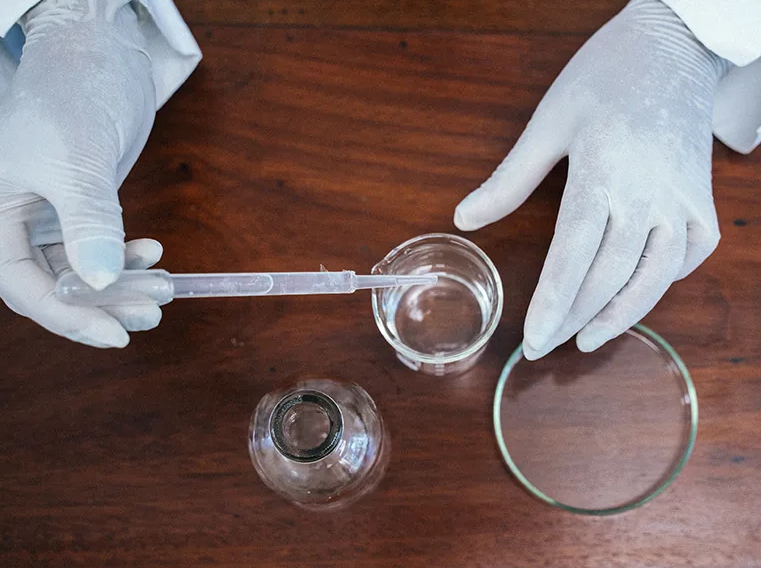
Industrial ethanol serves as a versatile solvent, preservative, and processing aid in pharmaceutical manufacturing. It supports the production of disinfectants, medicinal formulations, extraction processes, and other healthcare products that require high-quality ethyl alcohol

Cosmetics and personal care
Ethanol is a key ingredient in perfumes, deodorants, skincare products, and other cosmetics. Its fast evaporation rate and excellent solvent properties help dissolve active ingredients and essential oils while supporting stable, consistent formulations.
Industrial manufacturing
Industrial ethanol is used in chemical production, laboratory applications, coatings, inks, and cleaning products. Its versatility and compatibility with various raw materials make it an important solvent across numerous industrial processes.
What are the pros and cons of industrial ethanol?
When choosing industrial ethanol, it is important to evaluate its advantages and limitations based on your application, regulatory requirements, and performance needs.
Pros
Cons
What is the difference between industrial ethanol and neutral alcohol?
When comparing industrial ethanol and neutral alcohol, the key difference lies in their intended applications.
|
Features |
Neutral alcohol |
Industrial ethanol |
|
Ethanol concentration |
Typically ~96% ABV |
Varies by grade (hydrous, anhydrous or denatured) |
|
Flavour |
Neutral taste and aroma |
Not intended for flavour; often denatured |
|
Primary benefits |
High purity and formulation consistency |
Versatile solvent for technical applications
|
|
Applications
|
Food-grade products, spirits, pharmaceuticals, and cosmetics |
Chemicals, biofuels, cleaning products, and manufacturing
|
|
Availability |
Often supplied as ENA or rectified spirit |
Available in multiple grades and larger quantities |
Sustainability considerations in ethanol production
As industries continue to pursue lower-carbon supply chains, ethanol sourcing has become increasingly important. The environmental profile of ethanol depends on multiple factors:
- Feedstock origin
- Agricultural practices
- Production efficiency
- Energy sources
- Transportation
- Certification systems
Many businesses now seek ethanol produced from renewable agricultural origin feedstocks to support sustainability objectives and reporting requirements.
At Nedstar, we support responsible sourcing through transparent supply chains, certification options, and full traceability. Our commitment to sustainability helps businesses source high-purity alcohol while supporting their environmental and regulatory objectives.
Choose Nedstar as your sourcing partner for high-quality ethanol solutions
Choosing between neutral alcohol and industrial ethanol starts with understanding your intended application, quality requirements, and regulatory obligations.
At Nedstar, we combine technical expertise with global sourcing capabilities to help you find the right ethanol solution for your business. Our transparent supply chains and commitment to quality ensure reliable access to high-purity alcohols that meet your operational and sustainability goals.
Looking for a trusted supplier of neutral alcohol or industrial ethanol? Contact our product specialists to discuss your requirements and receive a tailored quote.

-2.png?width=352&name=Website%20banners%20(3)-2.png)