




Raw materials for ethanol production
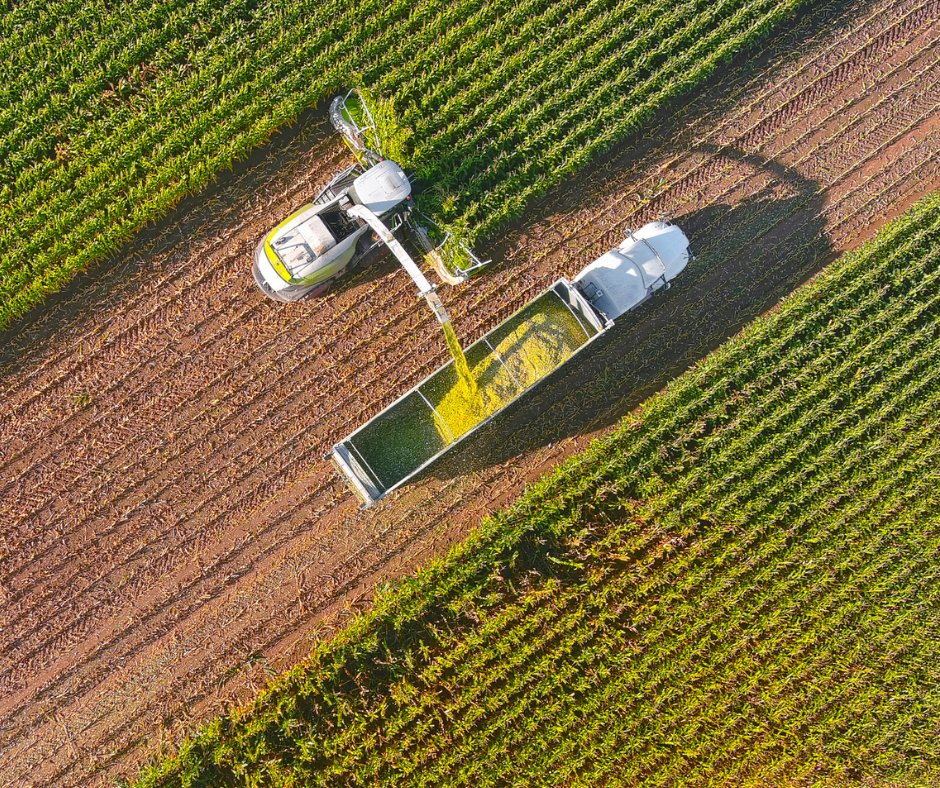
Ethanol, a versatile alcohol used in various industries, requires high-quality raw materials for its production. Whether it’s for bulk spirits, food products, or non-food applications, the choice of raw materials is crucial for ensuring optimal performance and sustainability.
Ethanol is produced from a range of raw materials, each offering unique benefits and properties. Understanding these raw materials is key to selecting the right type of ethanol for your needs.
Raw materials at a glance
Quickly compare flavour profile, purity and typical applications. Use this as a starting point and speak with our team for tailored advice.
Ready to source premium ethanol raw materials?
Contact our commercial experts today to receive an offer tailored to your sector.
Sustainability
Sustainability is at the heart of everything we do at Nedstar. We are committed to sourcing raw materials responsibly, working exclusively with ethical suppliers who take the wellbeing of the environment as seriously as we do. When dealing with suppliers in emerging countries, we empower local production while sticking to fair-trade principles.
As we aim to promote a sustainable ethanol industry, we support different initiatives with the same values.
How to choose the right raw material
Define the end use
First, identify where your ethanol will be applied: food and beverage, cosmetics, pharmaceuticals, or industrial products. Each sector demands different levels of purity, flavour, and performance.
Select key properties
Next, think about the qualities you need. Some raw materials deliver a clean, neutral base, while others bring distinct aromas or subtle character. The right choice depends on the profile you want to achieve.
Balance quality and cost
Finally, weigh your product requirements against your budget. Our experts can recommend options that strike the perfect balance between specification, performance, and price.
Nedstar packaging options
Exporting ethanol to countries worldwide from over 75 international suppliers requires the appropriate packaging. To make sure that your product arrives safely to its destination, Nedstar has a number of packaging options, suitable for any industry or amount of ethanol.
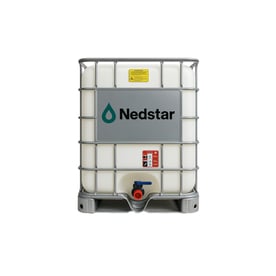
IBC tote

Mid-sized shipments; our stackable IBC totes are widely used by companies across Europe, the US, and Asia for their efficiency and reliability.
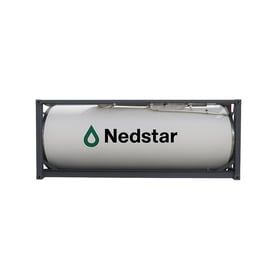
ISO container

Our ISO tanks support intermodal transport by sea, rail, and road. They are ideal for companies sourcing in medium to large volumes.
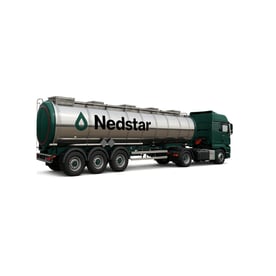
Tanktruck

Our tank trucks are widely used across Europe to deliver bulk ethanol by road. They’re a practical option for regional transport and quick distribution.
Frequently Asked Questions
Which raw material fits best with my product and industry?
The best raw material for your needs depends on your specific application and desired qualities. For premium spirits, popular options would be wheat, potato, and grape alcohols, as they offer purity and refined flavours. If you are looking for ethanol for industrial applications, sugarcane, corn and grain alcohols are cost-effective and efficient. For food purposes, sugar beet and wheat alcohols provide high purity and consistent quality. Our experts can help you determine the best raw material based on your requirements. Contact us for personalised advice.
Where do you source your raw materials?
At Nedstar, we prioritise sustainability and quality, ensuring that our raw materials are sourced responsibly and meet the highest standards. Our main origin markets include South America, Africa, and the Middle East.
How does Nedstar ensure the quality of raw materials for ethanol production?
We source raw materials from reputable suppliers who adhere to high standards of quality control and sustainability. Furthermore, we prioritise sustainable raw materials, supporting environmental conservation and aiming to reduce our ecological footprint.
Which is the most cost-effective raw material?
Sugarcane and corn alcohol are often the most cost-effective raw materials due to their high yield and efficient production processes. However, the cost-effectiveness can vary depending on market conditions and specific needs. For example, grain and beet crops require less water and chemical inputs. Additionally, grape alcohol and other raw materials can be produced from second-generation sources, meaning they are made from the waste products of first-generation processes. Our team at Nedstar can provide insights and recommendations to help you choose the most economical option for your ethanol production.
What products use ethanol?
Ethanol's versatility makes it an essential component in various industries. For example, it's a base for bulk spirits, including whiskey, rum, gin, and more. In the food industry, ethanol can be found in products like flavouring agents and vinegar. Non-food uses include cosmetic applications, such as perfume, skincare and hygiene items; pharmaceutical uses, including disinfectants and surgical spirits; industrial applications, like paint solvents and cleaning products, as well as cleaning electronics products.
Partner today with Nedstar!
Contact our commercial experts to receive your tailored offer.