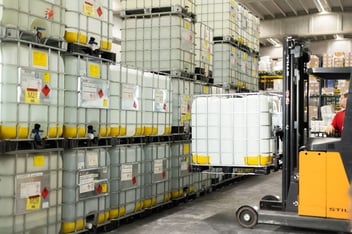
Ethyl alcohol and ethanol are two names for the same chemical compound, with the molecular formula C₂H₅OH. Also known as ethanol alcohol, this versatile substance is widely used in alcoholic beverages, pharmaceuticals, cosmetics, and industrial manufacturing.
Both names refer to a colourless, flammable liquid with chemical properties that make it suitable for a wide range of applications. Regardless of the terminology, its chemical composition and characteristics remain the same.
In this guide, we explore the characteristics of ethanol alcohol and discuss how this compound is produced and used across various industries.
What is ethanol alcohol?
Ethanol alcohol, also known as ethyl alcohol, is a colourless liquid that is volatile and flammable. It belongs to the alcohol family of organic compounds. Its chemical formula is C₂H₆O, commonly written as C₂H₅OH to highlight its hydroxyl group.
Ethanol is naturally produced when yeast ferments sugars. It can also be produced synthetically and is widely used as a versatile solvent, chemical intermediate, fuel additive, and ingredient in alcoholic beverages.
Ethanol can dissolve many polar and certain non-polar organic compounds, making it an effective solvent for extraction and formulation. It is also miscible with water and many organic solvents.
These properties vary with temperature, concentration, and the presence of other substances.
Specs & certifications of Nedstar’s ethanol
Nedstar supplies high-purity 96% ethanol that complies with EU Regulation (EU) 2022/1303 for food-grade ethanol. Our extra neutral alcohol meets BRCGS, ISO 9001, REACH, and ECHA Article 95 requirements, with kosher and GMO-free certification options available.
|
Chemical formula |
C₂H₅OH |
|
CAS registry number |
64-17-5 |
|
Odour |
Neutral |
|
Colour |
Colourless |
|
Alcohol by vol. At 20°C |
>96% |
|
Methanol < 2 g/hL |
Approximately 13°C for pure ethanol |
|
pH level |
5.5 - 7.4 |
|
GHS labelling |
|

Is ethyl alcohol the same as ethanol?
Yes, ethyl alcohol and ethanol are exactly the same chemical compound. Both names refer to C₂H₅OH, with identical ethyl alcohol structure and properties.
The name ethanol is derived from ethane, reflecting its two-carbon structure, and the suffix -ol, which identifies it as an alcohol. Its molecular structure consists of a two-carbon chain bonded to a hydroxyl group (-OH).
The difference is simply terminology. Ethanol is the systematic chemical name, while ethyl alcohol is a commonly used alternative name.
Both terms appear in product specifications, Safety Data Sheets (SDS), and industry documentation. The choice of name does not indicate a difference in purity, concentration, or suitability for a particular application.
Is ethanol the same as alcohol?
Ethanol is an alcohol, but not all types of alcohol are ethanol. In chemistry, alcohols are a broad family of organic compounds containing a hydroxyl group attached to a saturated carbon atom.
In everyday language, ethanol is often called simply alcohol or drinking alcohol because it is the type found in beer, wine, spirits, and other alcoholic beverages.
However, ethanol is not the only type of alcohol. Other types, such as methanol and isopropyl alcohol, have different chemical structures, properties, and uses. Unlike ethanol in alcoholic beverages, these substances are highly toxic if consumed.
How is ethanol alcohol produced?
Ethanol can be obtained through biochemical fermentation or chemical synthesis. The production method depends on the intended application, feedstock availability, and required product specifications.
Natural fermentation
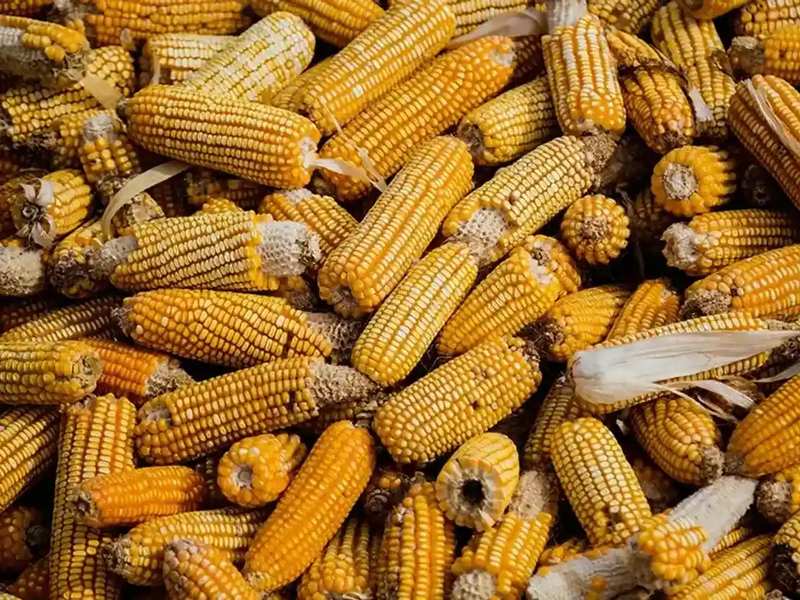
During fermentation, yeast converts sugars into ethanol and carbon dioxide. Common raw materials include corn, wheat, sugarcane, sugar beet, and other sugar- or starch-rich crops.
Starch-based feedstocks must first be processed to release fermentable sugars. The resulting ethanol-water mixture is then concentrated through distillation and, where necessary, further purified.
Ethanol can also be produced from cellulose-containing agricultural residues after suitable pretreatment and conversion into fermentable sugars.
Synthetic ethanol production
Ethanol can also be manufactured through the acid-catalysed hydration of ethylene, a chemical derived primarily from petrochemical feedstocks. During this process, ethylene reacts with water to form ethanol.
Synthetic ethanol is commonly associated with industrial applications. Regardless of its production route, the final product must meet the purity and regulatory specifications required for its intended use.
What is ethanol alcohol used for?
Ethanol is used across numerous industries because of its solvent properties, chemical versatility, and compatibility with many manufacturing processes.

Pharmaceuticals and personal care products
- Acting as a solvent in pharmaceutical formulations, including certain drugs and medical preparations.
- Serving as an antimicrobial ingredient in appropriately formulated hand sanitisers.
- Dissolving fragrances and other ingredients in perfumes, cosmetics, and personal care products.
- Supporting extraction processes and acting as a preservative in suitable formulations.
- Helping dissolve active ingredients to produce a uniform solution in appropriate pharmaceutical and cosmetic formulations.

Industrial solvents and chemical manufacturing
- Dissolving resins, oils, and other substances in paints, coatings, inks, and chemical formulations.
- Serving as a cleaning solvent for industrial applications and laboratory use.
- Acting as a chemical intermediate in the production of ethyl acetate and other chemicals, including various organic compounds.
- Supporting manufacturing processes that require controlled solvent purity and concentration.

Food and alcoholic beverages
- Producing beer, wine, spirits, and other alcoholic beverages through fermentation and distillation.
- Extracting natural flavouring compounds from vanilla, herbs, spices, and other food ingredients.
- Acting as a solvent or carrier in approved food formulations.
- Producing grain alcohol and rectified spirit for beverage manufacturing.

Fuel and energy applications
-
Ethanol is also used as a renewable fuel component and blended with petrol (also known as gasoline) to produce fuels such as E10 and E85.
-
Fuel ethanol can help reduce reliance on fossil-derived petrol, although its overall environmental performance depends on feedstock sourcing, production methods, land use, and lifecycle emissions.
Ethanol vs. other alcohols: Key differences
Although ethanol, methanol, and isopropyl alcohol belong to the same chemical family, they differ in molecular structure, toxicity, and other properties that influence their industrial applications.
Here are the key differences between ethanol and other alcohols.
Ethanol vs. methyl alcohol
When comparing methyl vs. ethyl alcohol, the main difference is their molecular structure. Methanol contains one carbon atom, while ethanol contains two.
Methanol is widely used in chemical manufacturing and industrial processes, but it is highly toxic. Ingestion can cause severe metabolic poisoning, permanent blindness, and death.
Ethanol vs. isopropyl alcohol
The difference between ethyl alcohol and isopropyl alcohol lies in their chemical structure and applications. Ethanol contains two carbon atoms, while isopropyl alcohol contains three. Although both belong to the alcohol family, their molecular structures give them different physical and chemical properties.
Ethanol is used in food, beverages, pharmaceuticals, cosmetics, and industrial manufacturing. Isopropyl alcohol is primarily used in cleaning products, disinfectants, electronics manufacturing, and technical applications.
Both are effective solvents, but they are not automatically interchangeable. Product selection should reflect the intended use, required purity, and applicable safety specifications.
Contact Nedstar’s specialists to find the right type of ethanol or related products for your business needs.
Is ethanol alcohol safe?
Ethanol safety depends on its concentration, purity, exposure conditions, and intended application. Although beverage-grade ethanol is used in alcoholic drinks, concentrated or industrial ethanol should never be assumed safe for direct consumption.
Health risks and toxicity
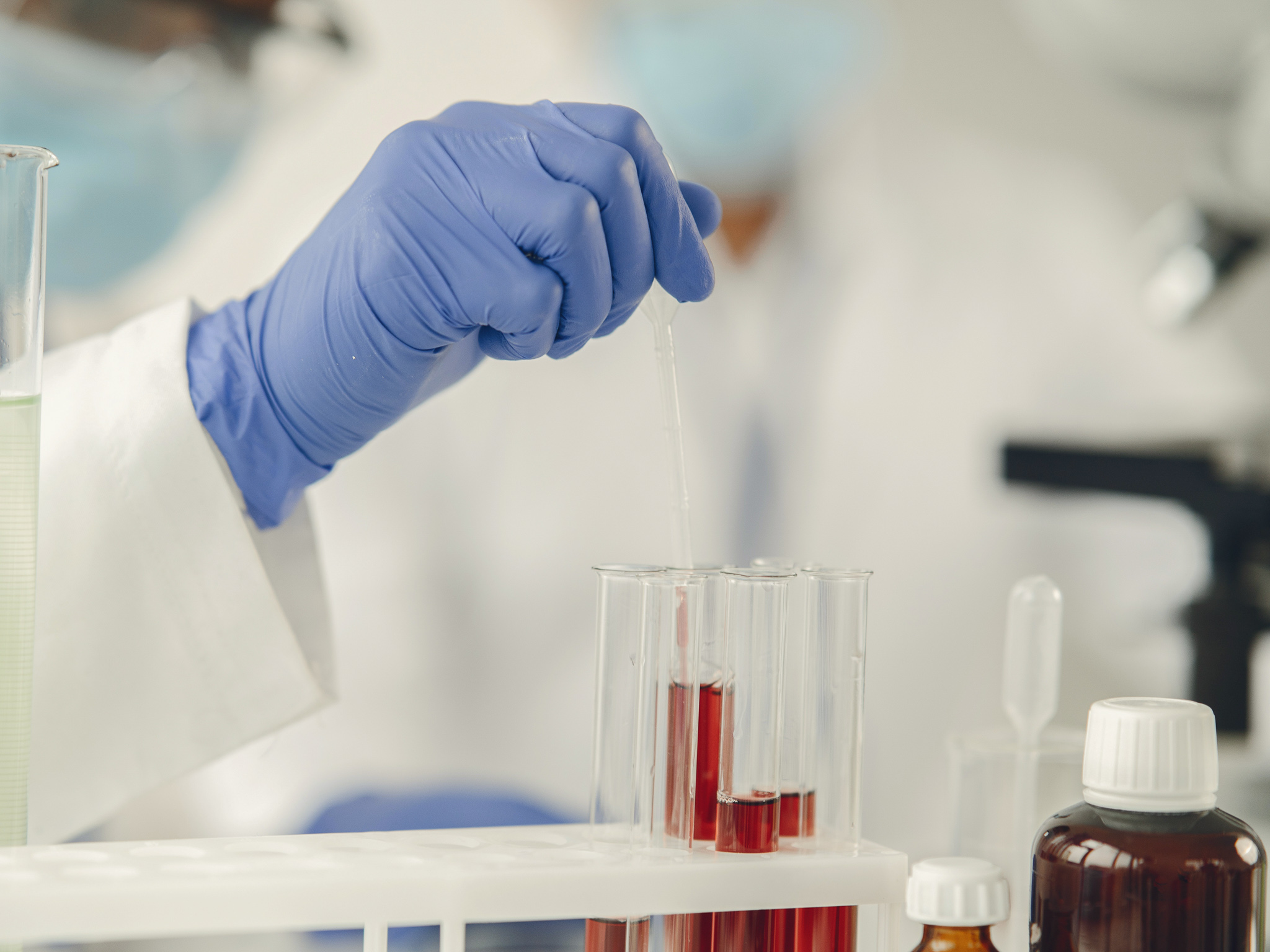
Excessive ethanol consumption can cause alcohol poisoning, impaired judgement, and long-term health problems, including liver damage. Ethanol at higher concentrations also presents increased flammability risks and requires careful handling.
Industrial or denatured ethanol may contain additives that make it unsuitable for human consumption. Exposure to concentrated ethanol vapours can also cause irritation, while direct skin or eye contact may produce adverse effects.
Safe handling and personal protective equipment
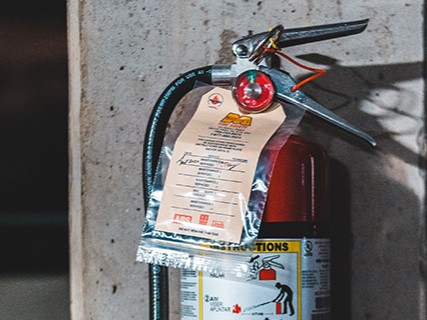
Ethanol is classified as a Class 3 flammable liquid for transport and requires appropriate safety precautions during storage and handling.
- Store ethanol away from heat, sparks, and open flames.
- Use suitable ventilation to control vapour concentrations.
- Wear appropriate personal protective equipment, including protective gloves and safety glasses, to minimise skin contact and eye exposure, according to the SDS.
- Use compatible containers and follow relevant storage and transport regulations.
The required precautions depend on ethanol concentration, packaging, and workplace conditions.

Frequently Asked Questions