



Alcohol for vinegar
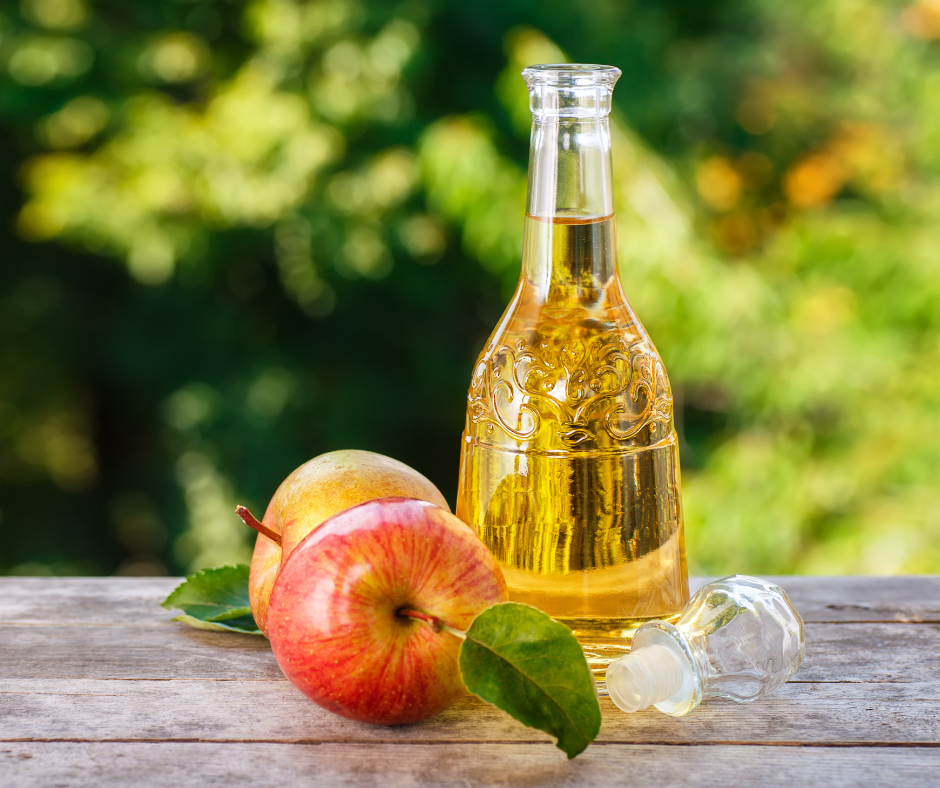
Vinegar, also known as distilled vinegar, is produced through the fermentation of distilled alcohol. It is a clear, colourless liquid with a sharp, sour taste. Vinegar can be made from different agricultural sources, including grain alcohol, such as corn or wheat, sugarcane alcohol, rice alcohol and apple alcohol.
At Nedstar, we supply ethanol, ranging from 80 to 192 proof, for vinegar production worldwide, ensuring consistent quality for your applications.
Quick facts
How vinegar production works

Alcohol fermentation
Raw materials like grain, sugarcane, rice, or apples are fermented and distilled into ethanol.

Acetic acid formation
The distilled alcohol is further fermented by acetobacter bacteria and converted into acetic acid, the primary component of vinegar, giving it its distinct taste and strong aroma.
Alcohol vinegar for cooking
Vinegar is widely used in the food industry as a cooking ingredient, baking component, and food preservative. Its applications include:
Alcohol vinegar as a natural cleaner
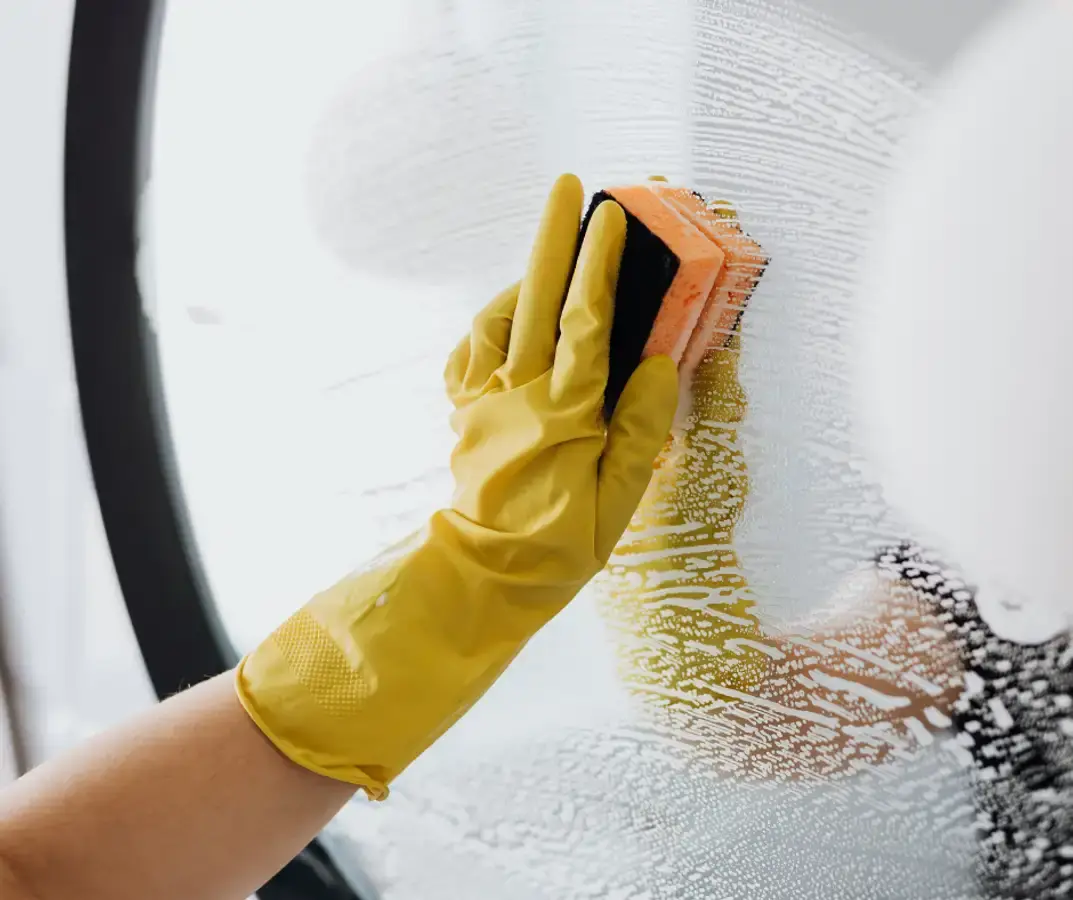
Due to its natural acidity and antimicrobial properties, vinegar is a powerful, chemical-free cleaning solution. Mixing alcohol vinegar cleaner with rubbing alcohol also creates an effective, quick-drying disinfectant. It is widely used in industrial and household settings for:
Sustainability & market trends
The vinegar market is expanding as businesses shift to more eco-friendly production and consumers demand natural, preservative-free products. Manufacturers increasingly select non-GMO and organic raw materials (such as sustainable grains or sugarcane), and prioritise low-carbon fermentation processes.

Health and wellness trends
Growing demand for natural, preservative-free food products.

Industrial applications
Increasing use in agriculture, pharmaceuticals, and eco-friendly cleaning.

Organic and artisanal vinegar boom
Rising interest in aged, organic, and speciality vinegar.
Frequently Asked Questions
How is vinegar produced?
Vinegar is made through a two-step fermentation process. First, grains, sugarcane, rice, or apples are fermented into alcohol. Then, bacteria (acetobacter) convert the alcohol into acetic acid, which gives vinegar its tangy taste and strong aroma.
What is the difference between alcohol vinegar and rubbing alcohol vinegar?
Alcohol vinegar is made from ethanol and is safe for consumption. Rubbing alcohol vinegar refers to a cleaning solution combining vinegar with isopropyl alcohol, which is not edible.
Can vinegar and rubbing alcohol be mixed?
Yes, vinegar and rubbing alcohol can be mixed for cleaning purposes. This combination is effective for disinfecting surfaces, but it should never be consumed.
What type of alcohol is used to make vinegar?
Vinegar is made from ethanol, ranging from 80 to 192 proof, typically derived from grains, sugarcane, rice, or apples.
Why is vinegar considered an eco-friendly cleaner?
Vinegar is biodegradable, non-toxic, and free from artificial chemicals, making it a sustainable choice for cleaning and disinfecting without harming the environment.
Interested in sourcing ethanol for vinegar production?
Contact our commercial experts today for a tailored offer and reliable logistics solution.