Skip to content

Nedstar's tequila: a taste of Mexico's finest spirit

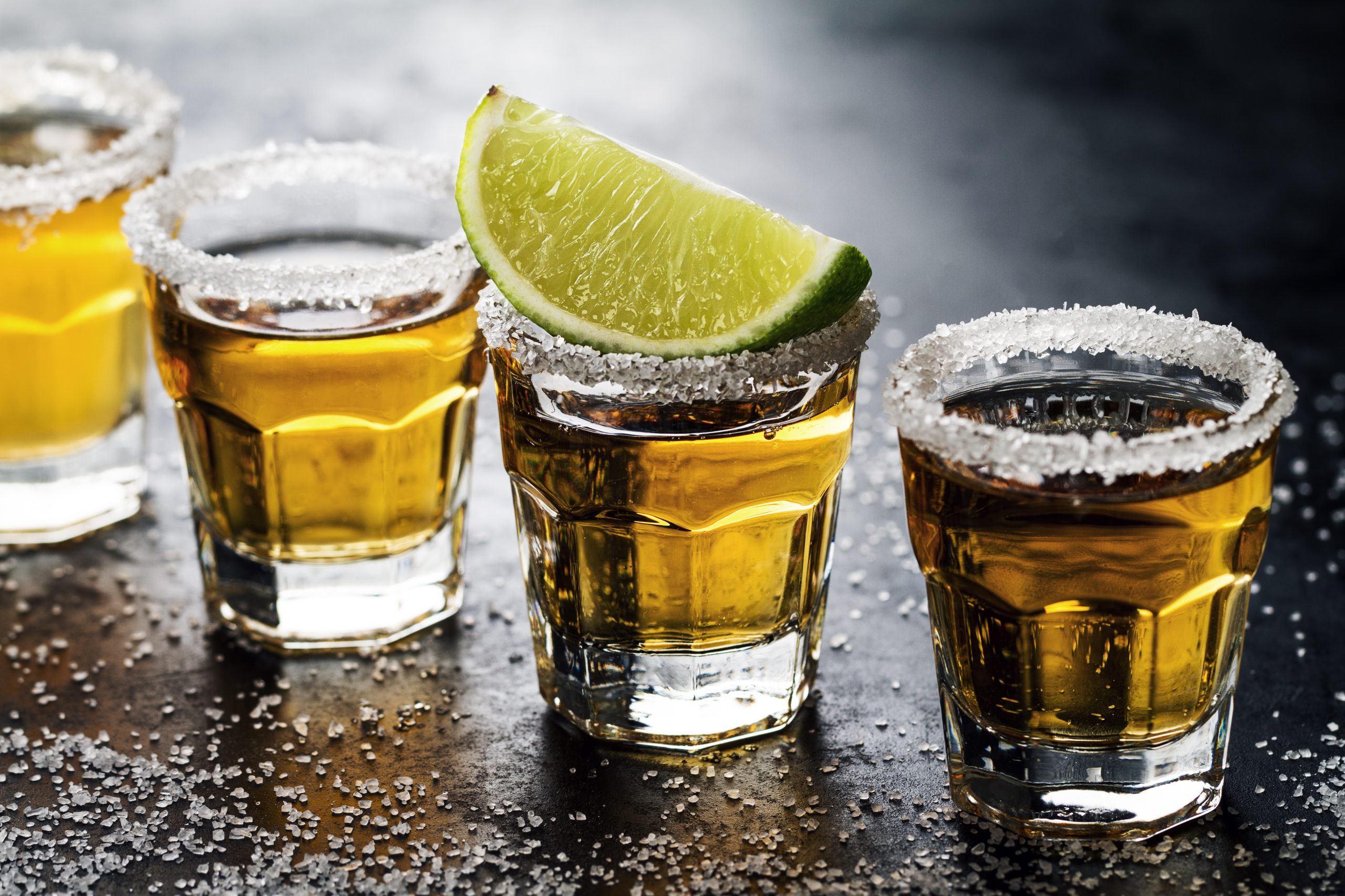
Tequila, a famous agave spirit, originates mainly from Jalisco, Mexico, and is made from the fermented juice of Tequilana Weber or Blue Weber agave. Known for its citrus, peppery, and earthy flavours, it’s enjoyed in cocktails or on its own.

There are two main types: 100% agave, made solely from Blue Weber agave sugar, and Mixto, containing 51% agave sugars and 49% other sugars. Varieties include unaged blanco (silver), blended gold, lightly aged reposado, and longer-aged añejo.

Tequila-pexels
Nedstar-caipirinha-cachaca-cocktail-1

The versatility of tequila

Tequila is the base of delicious beverages, ranging from classic Margaritas to tasty Tequila Sunrises. Outside the bar, tequila can be used in many different ways in the kitchen. It can enhance grilled meats, add warmth to sauces and give sweets a unique flavour. Popular among those aiming to infuse their dishes with a taste of Mexico, tequila's seamless transition from glass to plate makes it a versatile and favoured ingredient.

How to import tequila from Mexico?

Tequila is a highly regulated spirit and therefore it requires a certification to be imported and distributed. CRT, the Tequila Regulatory Council, is the organisation responsible for maintaining the high-quality standards and authenticity of the product. This includes regulating production location, ingredients, and processes, with certification exclusively granted only to businesses that stick rigorously to every step.

As your trusted bulk tequila supplier, Nedstar can help you get the CRT certification.

tequila-valeria-aksakova-freepik-scaled-1

How is tequila made?

Tequila production involves six key stages: harvesting, baking, juicing, fermenting, distilling, and ageing.


harvesting icon

1. Harvesting

The process begins by harvesting the blue agave plant using a specialised knife called a coa. This involves cutting away the leaves to reveal the underground piña bulb.


baking icon

2. Baking (Piña)

The piña bulb, or agave core, is then baked to extract its fermentable sugars. Traditionally done in pits or modern ovens, this step is crucial for the flavour development.


sugarcane icon

3. Juicing

After baking, the piñas are shredded and crushed to extract the sweet agave juice, known as mosto. This step can be done mechanically or traditionally using a tahona, a large stone wheel.


fermentation icon

4. Fermentation (Mosto)

The extracted mosto is combined with yeast and water in fermentation tanks, where it transforms into ethyl alcohol. This step occurs in either large stainless steel tanks or wooden barrels.


distillation icon

5. Distillation

The fermented agave juices undergo distillation, a purification process that concentrates the alcohol. Typically distilled twice, the first round produces ordinario, while the second yields clear silver tequila ready for ageing.


ageing icon

6. Aging

Tequila is aged for a minimum of 14 to 21 days. Silver or blanco tequila ages for the minimum time, while reposado (aged for two months to one year), añejo (aged for one to three years), and extra añejo (aged for over three years) undergo longer maturation in oak barrels.

 

About our tequila in bulk

alcohol percentage icon

55%

Alcohol by vol.
origin icon

Mexico

Product origin
organic icon

Organic

Available on request

Looking to source tequila in bulk?

At Nedstar, we're dedicated to delivering our products that not only meet, but exceed your spirit needs, ensuring a satisfying and tailored experience.

Our extensive network and knowledge of logistics allow us to guarantee that you can source our bulk premium tequila wherever you are.

Quality marks and certifications

Discover the excellence of our bulk tequila, meeting BRCGS and Echa Art. 95 standards, and proudly caring EU Organic, USDA Organic, and GMO-Free certifications upon request.

reach-darkgreen
Reach

REACH provides guidelines for gathering and evaluating data about the characteristics and risks associated with various chemicals.

non-gmo-darkgreen
GMO-free

GMO-free (Genetically Modified Organism) certification indicating products do not contain genetically modified organisms.

eu-organic-darkgreen
EU Organic

The EU Organic Certificate stands as a testament to the commitment of agricultural and industrial entities toward sustainable, environmentally friendly practices.
usda-organic-darkgreen
USDA-NOP

The USDA Organic certification (USDA-NOP) sets and enforces U.S. standards for organic products, ensuring integrity and consistency since 2002.

Frequently Asked Questions