Alcohol for Perfume
Alcohol for perfume: an essential component
Looking for reliable alcohol for perfume production? Nedstar supplies high-purity ethanol and alcohol solutions designed for perfume, fragrance, personal care, and home fragrance applications.
As the primary carrier in many fragrance formulations, alcohol helps dissolve aromatic compounds, supports even fragrance diffusion, and contributes to product stability.
Whether you require ethyl alcohol for perfume, organic grain alcohol, or denatured alcohol for perfume making, our global sourcing network and trusted producer partnerships ensure consistent quality, reliable supply, and the certifications needed for your target markets.
Why choose Nedstar as your partner for alcohol for perfume?
Reliable global sourcing
Nedstar supplies high-purity alcohol for perfume and fragrance applications through a global network of trusted producers. We help ensure reliable availability, consistent specifications, and transparent sourcing.
Consistent formulation quality
Fragrance formulations require a stable alcohol base to produce crystal-clear solutions and support consistent product performance. Our alcohol products are sourced according to rigorous quality standards.
Solution-focused support
Our specialists provide technical guidance to help businesses select the most suitable alcohol used for perfume production, considering formulation requirements, regulatory obligations, and supply chain needs.
What is alcohol for perfume?
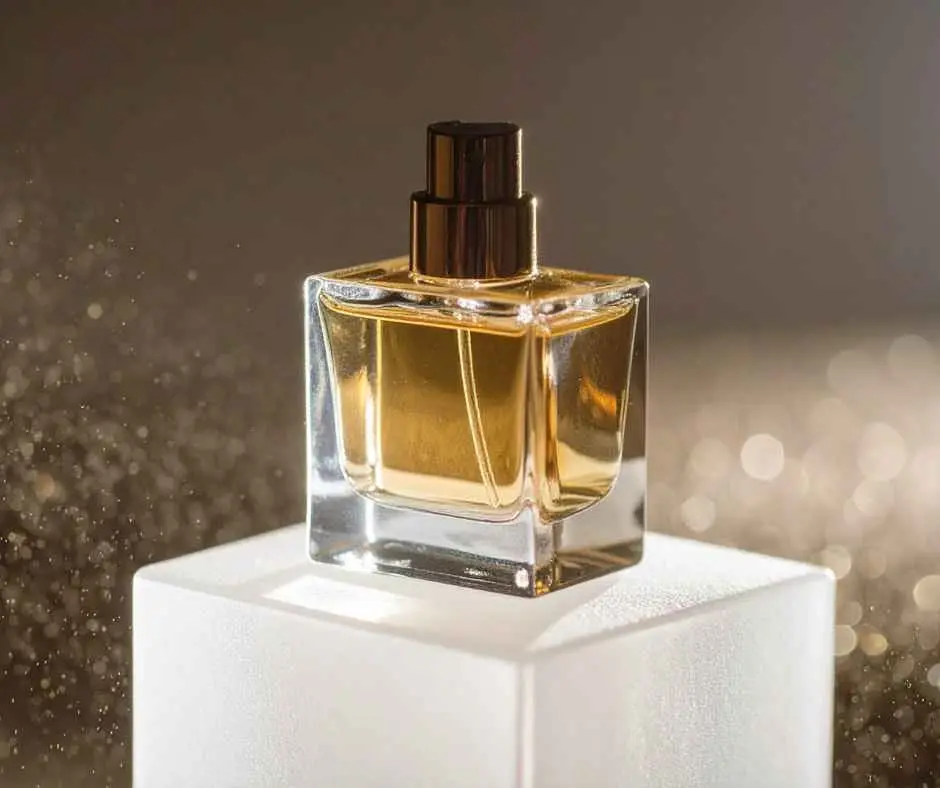
Alcohol for perfume is a high-purity ethanol-based solvent used as the main carrier in fragrance formulations. It helps dissolve most fragrance oils, essential oils, and other aromatic compounds while ensuring the finished product remains clear, stable, and easy to apply.
In alcohol based perfumes, ethanol acts as both a solvent and an alcohol carrier. Because alcohol evaporates quickly when applied to the skin, it helps distribute fragrance evenly and supports the gradual release of top, middle and base notes.
How is alcohol for perfume made?
Feedstock selection
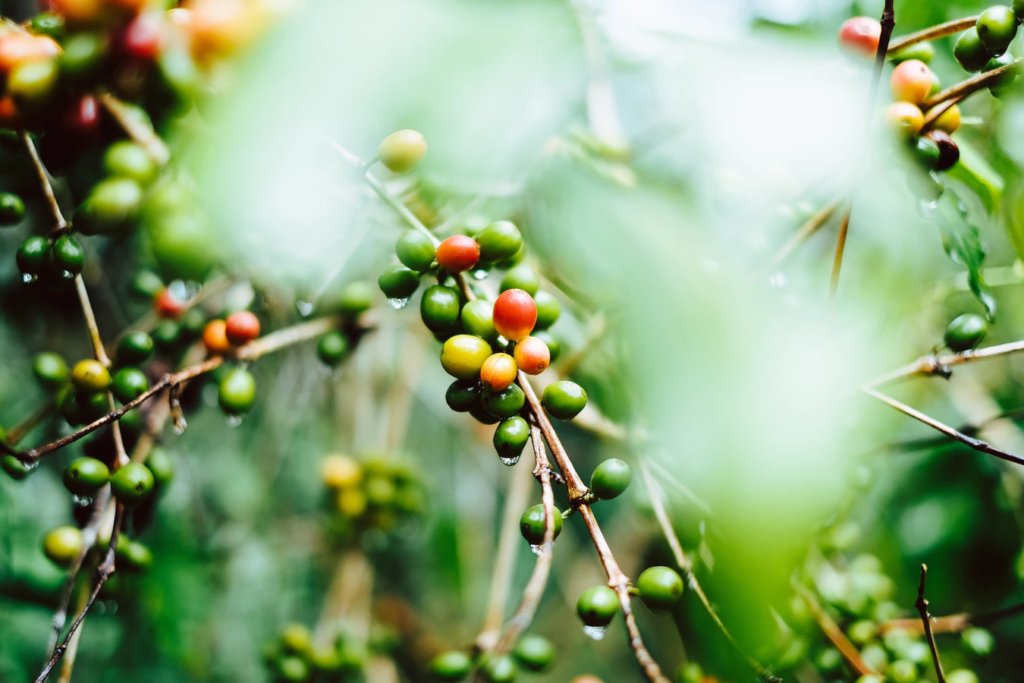
The process begins with agricultural feedstocks such as grain, sugar cane, or other biomass sources suitable for ethanol production.
Fermentation
Natural sugars are converted into ethanol through a controlled fermentation process.
Distillation
The alcohol is distilled and purified to achieve the high proof alcohol required for fragrance applications.
Quality control and formulation suitability
The finished alcohol undergoes testing to ensure purity, consistency, and suitability for perfume making and personal care products.
Alcohol for perfume product specification sheet
Specs & certifications
64-17-5
C2H6O
![]()
Types of alcohol used for perfume making
Different fragrance products require different alcohol specifications depending on formulation goals, regulatory requirements, and brand positioning.
Properties
Natural and organic fragrance formulations
Applications of alcohol in perfumery
Fine fragrances
- Eau de parfum (EDP)
- Eau de toilette (EDT)
- Eau de cologne
- Perfume extracts
- Body mists
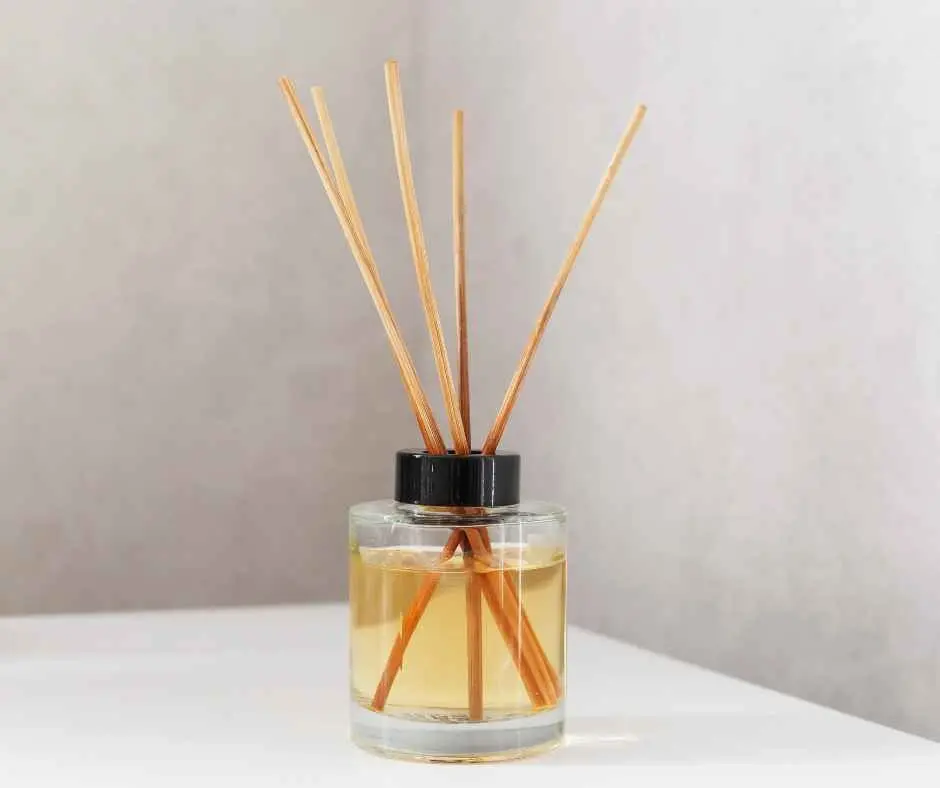
Home fragrance products
- Room sprays
- Linen sprays
- Reed diffusers
- Diffuser oils
- Air fresheners
Personal care and cosmetics
- Body sprays
- Fragrance mists
- Cosmetic sprays
- Hair perfumes
- Aftershaves
Fragrance manufacturing
- Blending essential oils
- Diluting fragrance concentrates
- Dissolving aromatic ingredients
- Perfume formulation
- Fragrance product development
Recommended fragrance oil and alcohol concentrations by product types
Fragance oil %
80-90%
Key attributes of alcohol for perfume
Excellent solvent performance
Helps dissolve fragrance oils, essential oils and ethanol-soluble ingredients.
Volatility
Alcohol evaporates quickly after application, helping release fragrance notes effectively.
Clear and stable formulations
Supports blended solutions that remain clear and visually appealing throughout their shelf life.
Formulation flexibility
Available in multiple grades and feedstock origins to support different fragrance concepts and market requirements.
Main types of alcohol used in perfumery
Denatured ethanol
Ethanol with added denaturants is commonly used in commercial perfumery to avoid misuse and accidental human consumption. Popular denaturants include:
- Diethyl phthalate (DEP)
- Methyl ethyl ketone (MEK)
- Isopropyl alcohol (IPA)
- Bitrex (denatonium benzoate)
- Ethyl acetate (ETAC)
- Tertiary butyl alcohol (TBA)
Organic alcohol
Premium perfume brands often refer to certified organic ethanol derived from various sources, including:
Choosing the right alcohol for perfume
Selecting the right alcohol depends on your fragrance formulation, target market, and product requirements.
While Extra Neutral Alcohol (ENA) is often preferred for premium fine fragrances due to its neutral profile, sugarcane and grain alcohol can be suitable for brands seeking renewable feedstocks or specific formulation needs.
Partner with Nedstar to identify the right alcohol solution for your fragrance formulation and sourcing requirements.
Quality and compliance considerations
Nedstar supplies cosmetics-grade alcohol with documentation and certifications to support quality and regulatory requirements across international markets. Depending on your application, we offer REACH-compliant alcohol, as well as GMO-free and certified organic options for fragrance brands seeking greater transparency and sustainability.
What
makes
Nedstar
different?

REACH & ECHA Art.-95
Nedstar provides cosmetic-grade perfumer’s alcohol certified for EU regulatory compliance.
GMP
Nedstar sources high-purity alcohol from trusted producers operating under GMP standards to support the quality and consistency required for perfume formulations.

Nedstar packaging options for alcohol for perfume
Exporting alcohol for perfume worldwide requires the appropriate packaging solution. Nedstar offers packaging options suitable for different industries and sourcing volumes.
IBC tote

A practical solution for medium-sized fragrance manufacturing operations.
ISO container
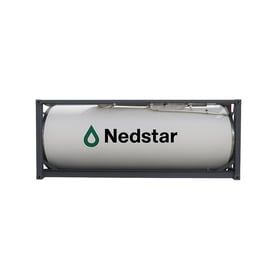
Suitable for international bulk transport via road, rail and sea.
Tanktruck
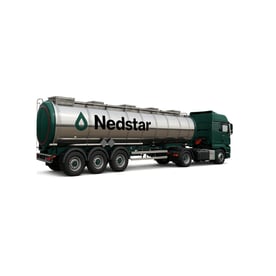
Efficient regional distribution for large-volume fragrance manufacturers.
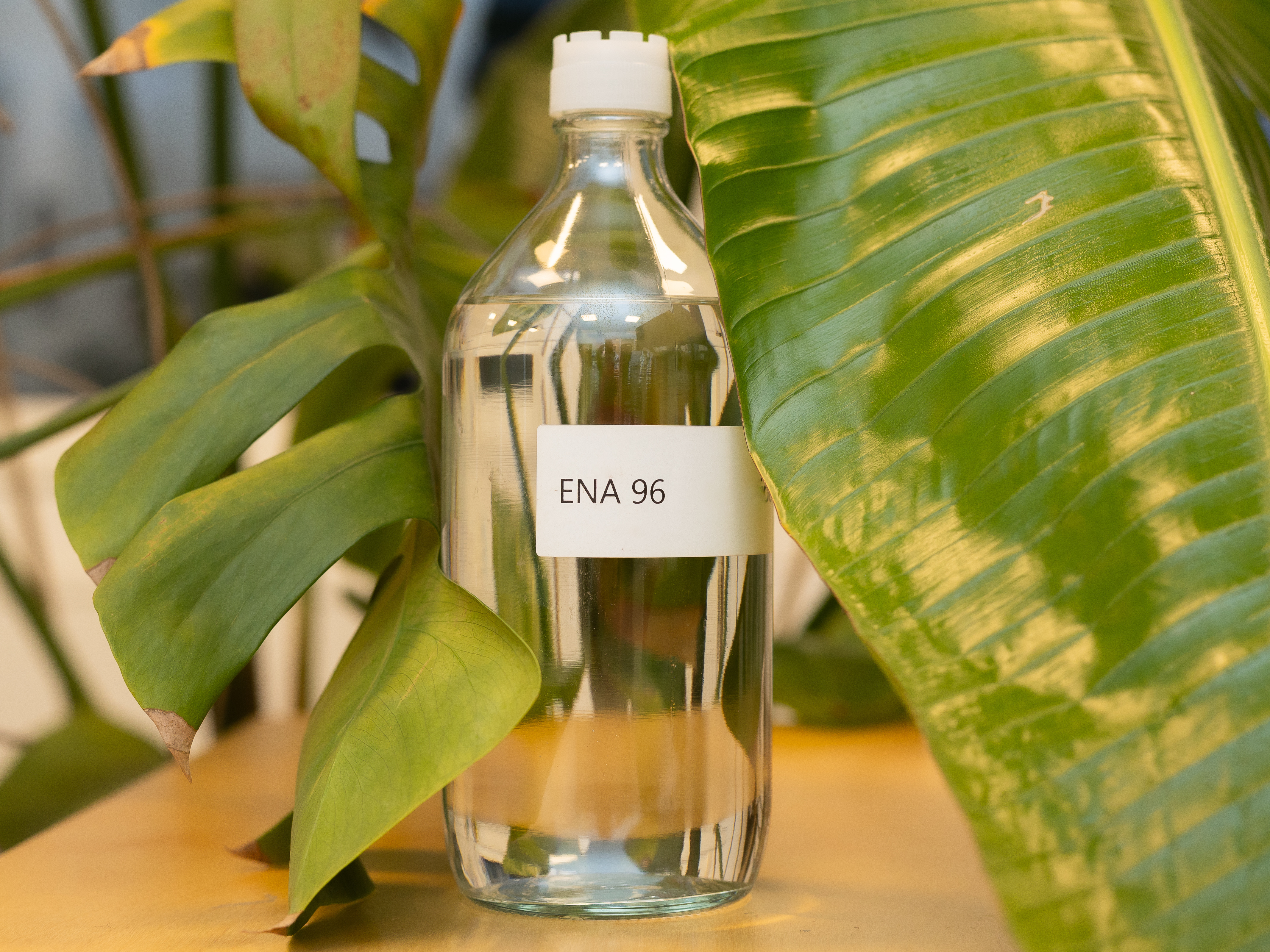
Nedstar is your reliable partner for sourcing alcohol for perfume
Looking for high-quality alcohol for perfume making? Request a tailored quote and tell us your required specifications, certifications, volume, and destination.
Our commercial team will develop a sourcing solution aligned with your formulation, compliance, and supply-chain requirements.
Explore our related product offerings
Extra neutral alcohol (ENA)
High-purity ethanol is widely used in fragrance, cosmetic and pharmaceutical formulations.
Cosmetic-grade ethanol
Versatile high-purity alcohol suitable for personal care, fragrance, and cosmetics industries.
Denaturants
Essential additives that give ethanol toxic properties to ensure that non-food products comply with regulations.
Frequently Asked Questions
What alcohol do I need for perfume?
Most perfume formulations use high-purity ethanol because it offers excellent solvent performance, fast evaporation and compatibility with fragrance oils. The most suitable alcohol depends on your formulation, certification requirements, and target market. Nedstar can help identify the right alcohol solution for your application.
Can I use 70% isopropyl alcohol for making perfume?
No. While isopropyl alcohol for perfume may be used in certain technical applications, it is generally not preferred for fine fragrance products. High-purity ethanol is typically chosen for its superior sensory profile, evaporation characteristics, and compatibility with fragrance ingredients.
What alcohol is used in perfumes?
Perfumes commonly use different types of alcohol, with ethanol (ethyl alcohol) being the most popular due to its excellent ability to dissolve fragrance oils and release top notes quickly. Denatured alcohol, which is ethanol treated with additives to make it undrinkable, is also widely used for safety and compliance reasons.
Is denatured alcohol safe to use on skin?
Yes, cosmetic-grade denatured alcohol is safe for skin application, as it contains small amounts of additives. Denaturants such as diethyl phthalate or Bitrex are approved by regulatory bodies and used in minimal amounts that do not cause skin irritation when used in properly formulated products. Still, denatured ethanol (alcohol denat) is not suitable for human consumption.
What perfumer’s alcohol base is used in eau de toilette and eau de parfum?
Different perfumes commonly use different types of alcohol, with ethanol (ethyl alcohol) being the most popular option due to its excellent ability to dissolve fragrance oils and release top notes quickly. Denatured alcohol, which is ethanol treated with additives to make it undrinkable, is also widely used for safety and compliance reasons. Some other alternatives include distilled alcohol, propylene glycol, dipropylene glycol, and isopropyl myristate.
Can the same alcohol base be used for diffuser oils and perfumes?
Not always. While high-purity ethanol is suitable for many fragrance applications, diffuser oils and perfumes often require different alcohol bases or special formulation approaches depending on performance, evaporation rate and product requirements.
What percentage of alcohol should be in perfume?
It depends on the fragrance concentration: Perfume/Extrait contains 70-85% alcohol, Eau de Parfum contains 80-90% alcohol, Eau de Toilette contains 85-95% alcohol, and Eau de Cologne contains 95-98% alcohol. The remaining percentage consists of fragrance oils and sometimes water or other additives.
How does Nedstar ensure the quality of perfumer's alcohol?
We source raw materials from trusted suppliers committed to high-quality and sustainable practices. Our production processes adhere to rigorous quality control measures to ensure the purity and consistency of our perfumer's alcohol. This approach guarantees that our perfumer's alcohol not only meets the highest industry standards but also promotes a greener, more sustainable future.
Can I get a sample?
Yes. Access our request a quote page, indicate the amount of alcohol you'd like to order and your company's contact details, so we can discuss the sampling process. Be aware that quote requests for samples only cannot be processed.