


High-purity ethanol for industrial applications
Looking for a reliable source of bulk ethanol for your business? Nedstar supplies ethanol in bulk for chemical production, fuel and energy, electronics, cleaning, and other industrial applications. Our portfolio includes high-purity ethanol, anhydrous alcohol, second-generation ethanol, and compliant denatured ethanol formulations, supported by reliable global sourcing, quality control, and tailored logistics.
Whether you require regular bulk delivery of ethanol or a product matched to specific purity, denaturant or documentation requirements, our expert team can develop a sourcing solution for your operations.

Why choose Nedstar as your partner for bulk ethanol supply?
Global supply you can rely on
Access a trusted international network of bulk ethanol producers, backed by robust logistics and tailored delivery solutions that help keep your operations running smoothly and support long-term customer satisfaction.
Quality built into every shipment
Source high-quality ethanol with consistent specifications, rigorous quality control and the documentation needed to meet your commercial and regulatory requirements.
Ethanol expertise tailored to your business
From selecting the right grade and denaturant to planning volumes, pack sizes, and delivery requirements, Nedstar’s specialists help you build a bulk ethanol supply solution around your specific operations. Our sales team can also advise on availability, specifications, and commercial requirements.
What is ethanol?
Ethanol, also known as ethyl alcohol, is a colourless liquid with the chemical formula C₂H₅OH and a molecular weight of 46.07 g/mol. It is volatile and highly flammable, with strong solvent properties and excellent miscibility with water, making it suitable for fuel, chemical, pharmaceutical, personal care, and industrial applications.
If you've ever asked is ethanol alcohol, the answer is yes: it's the same alcohol found in beverages, although industrial grades are usually denatured.
How is ethanol made?
Ethanol is commonly produced by fermenting sugars derived from renewable feedstocks such as sugarcane, corn, wheat and other grains. Yeast converts these sugars into ethanol and carbon dioxide. Then, distillation separates ethanol from water and other components, increasing its concentration.
Further purification can produce high-purity ethanol, while dehydration removes additional water to produce anhydrous ethanol for applications requiring very low moisture content. Purification also helps control unwanted compounds and impurities, including methanol, to meet product specifications.
Raw materials for eco-friendly ethanol production
Specs & Certifications
Nedstar's extra neutral alcohol, a high-purity 96% ethanol, always complies with the EU Regulation (EU) 2022/1303 for food-grade ethanol. Our ENA is always BRCGS, ISO9001, REACH and ECHA Art. 95 certified. We can also certify your product as kosher or GMO-free.
64-17-5
C2H6O
![]()
Ethanol product portfolio
Our industrial ethanol portfolio offers high-purity ethanol and related products tailored to technical, regulatory and sustainability needs across global markets:
Extra neutral alcohol 96%
For high-purity ethanol market, industrial formulations, pharmaceutical applications, and other sensitive end uses.
Organic extra neutral alcohol 96%
Produced from certified organic feedstocks for customers seeking more sustainable and naturally positioned product concepts.
Anhydrous alcohol
For applications requiring extremely low water content, including fuel, chemical production, and electronics manufacturing.
Second-generation (2G) ethanol
2G ethanol is produced from non-food, cellulose-based feedstocks and can support product lines seeking a very low carbon footprint compared to conventional fossil-based alternatives.
Neutral alcohols for pharma and cosmetics
For pharmaceutical, cosmetic, personal care, and fragrance applications, Nedstar supplies high-purity bulk ethanol designed to meet demanding quality and consistency requirements.
Our high-quality ethanol provides reliable purity, traceability, and performance, making it suitable as a solvent and carrier in perfumes, lotions, and pharmaceutical applications.
Nedstar supports customers with consistent bulk ethanol supply, quality documentation, and tailored packaging solutions. To see how these grades differ from industrial ethanol, read the ultimate guide to industrial ethanol and neutral alcohols.
Applications
What is ethanol used for?
Chemical manufacturing
- Coatings and inks
- Adhesives and resins
- Industrial cleaning
- Household chemicals
- Specialty chemicals
Fuel and energy
- Anhydrous ethanol for petrol blending
- 2G ethanol for advanced biofuels
- Large-volume industrial applications
Pharmaceutical applications
- Extraction and formulation
- Disinfectants and antiseptics
- Oral and topical medicines
- Manufacturing and processing

Food and beverage applications
- Flavour extraction
- Food processing
- Beverage production
- Confectionery
Key attributes of ethanol
Ethanol combines high solvency, rapid evaporation, and excellent miscibility with water, making it a versatile choice across its many common uses, ranging from chemical manufacturing and electronics cleaning to pharmaceuticals, personal care, and fuels. This versatility is why few applications can rely on an ethanol substitute without compromising performance. Available in different purity levels and denatured ethanol alcohol formulations, it can be tailored to specific industrial and regulatory requirements.
As a highly flammable liquid, ethanol should be stored and handled in accordance with the relevant safety data sheet, away from ignition sources and in a well-ventilated area. Ethanol and its vapour are highly flammable, and appropriate handling measures should also be followed to minimise risks such as serious eye irritation. Learn more about best practices for ethanol safety.
Looking for high-quality ethanol at scale? Contact Nedstar to discuss your specifications, required quantities, and price considerations. Secure a reliable bulk ethanol supply tailored to your application.
Choosing the right denaturant for your market
Choosing the right ethanol denaturant helps ensure your product meets its intended application, local regulatory requirements, and commercial specifications. Depending on the formulation, denaturants can include other alcohols, ketones or bittering agents.
Learn more about common denaturants to buy denatured ethanol that fits your business needs.
Diethyl phthalate
A low-volatility denaturant used in ethanol formulations for applications such as cosmetics and fragrances.
Euro denatured
A standardised bulk denatured ethanol formulation designed to meet applicable EU requirements for completely denatured alcohol.
Isopropyl alcohol
A widely used alcohol-based denaturant suitable for ethanol for cleaning electronics and other industrial applications.
Bitrex
An extremely bitter reagent added in very small quantities to make ethanol unsuitable for consumption, commonly linked with denatured ethanol for perfume.
TSDA
Trade Specific Denatured Alcohol is ethanol denatured according to approved formulations for particular industrial or commercial uses.
Methyl ethyl ketone
A volatile ketone used as a denaturant in ethanol intended for various industrial and solvent applications.
What makes Nedstar
different?

EU Organic
The EU Organic certification confirms that qualifying Nedstar products meet EU organic production and processing requirements, supporting responsible sourcing and greater supply chain transparency.

Reach
REACH establishes a framework for assessing chemical properties and potential risks to support regulatory compliance when purchasing bulk ethanol.

ISO 9001
ISO 9001 certification ensures our quality management systems meet internationally recognised standards.

ISO 14001
ISO 14001 certification reflects our structured approach to environmental management, supporting responsible operations and continuous improvement in environmental performance.
Nedstar packaging options
Exporting bulk ethanol worldwide requires an appropriate packaging solution. Nedstar offers different pack sizes and transport options suitable for a wide range of industries, order quantities, and sourcing requirements. For capacities, weights and loading details, see our ethanol packaging and transport metrics.
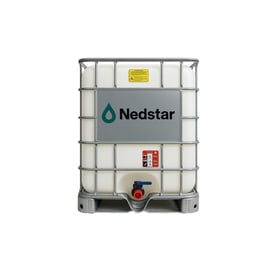
IBC tote

Mid-sized shipments: our stackable IBC totes provide an efficient and reliable solution for transporting fusel alcohols.
ISO container
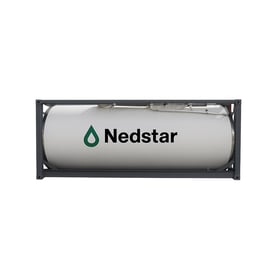
Bulk international shipments: ISO containers offer a secure and efficient option for transporting fusel oils across global supply chains.
Tanktruck
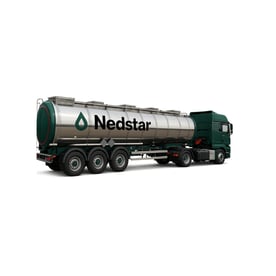
Large-volume deliveries: tank trucks provide an efficient solution for regional transport of fusel alcohols.
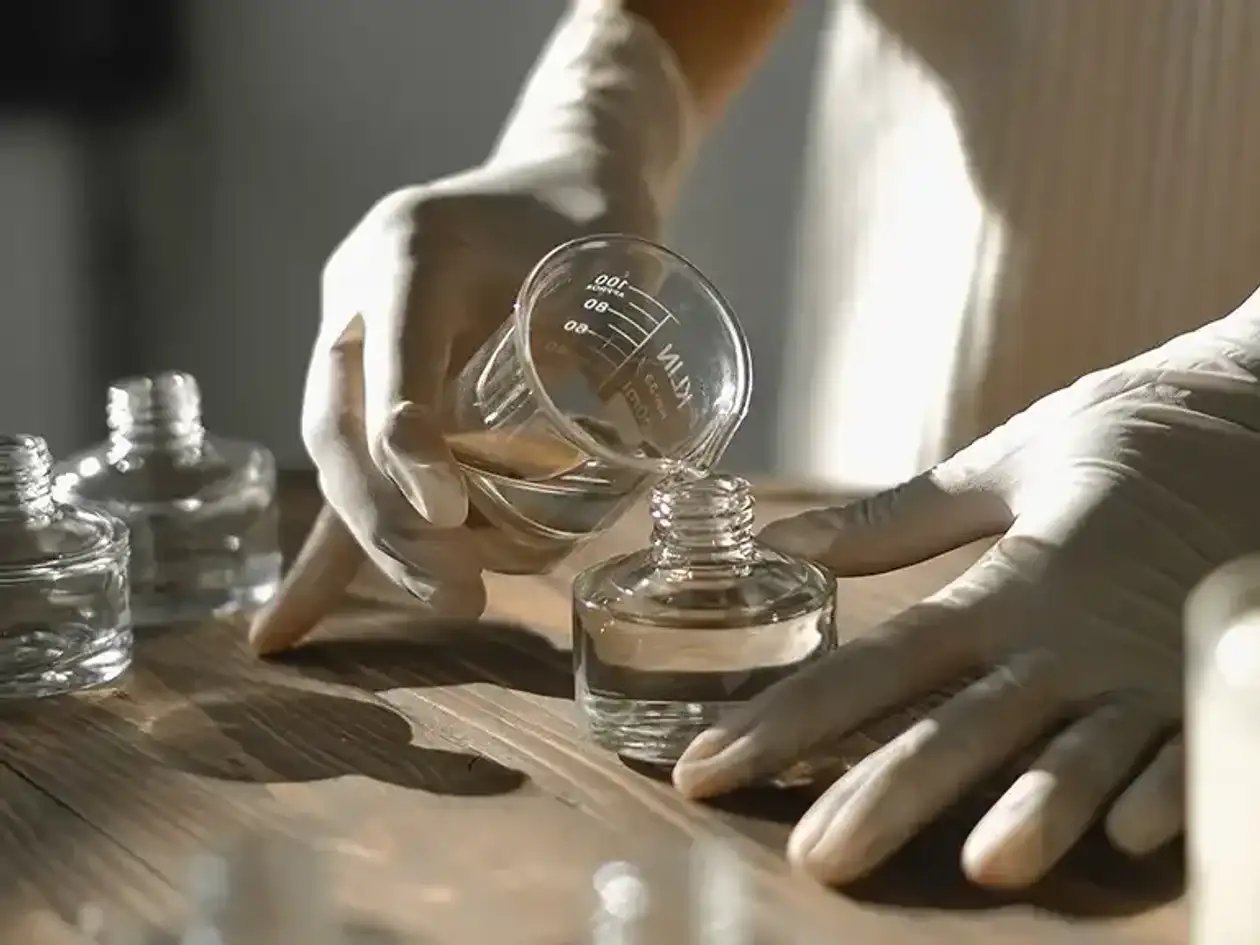
Nedstar is your reliable partner for sourcing ethanol
Working with reliable ethanol bulk suppliers helps maintain consistent quality, dependable availability, and efficient delivery across your supply chain.
Nedstar connects customers with a high-quality ethanol manufacturer network, providing bulk ethanol tailored to specific purity, denaturant, volume, and destination requirements. Our expert sales team supports companies with product selection, documentation, and logistics from sourcing through to delivery.
Looking to secure a reliable bulk ethanol supply? Contact Nedstar’s product specialists to discuss your requirements and request a tailored quote.
Explore our related product offerings
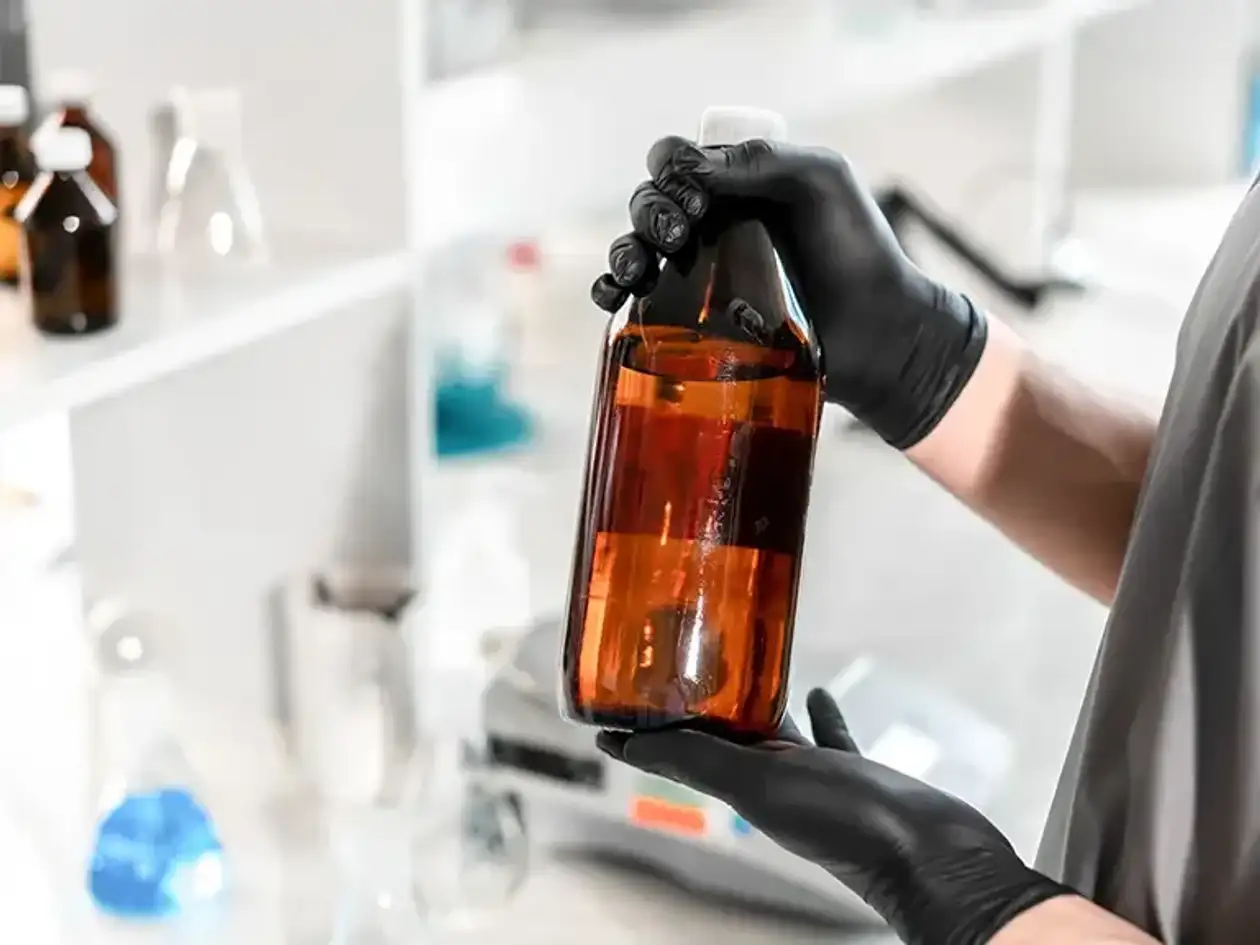
Alcohol denaturants
If you’re wondering where to buy denatured alcohol, we offer specialised denaturing agents that make ethanol unsuitable for consumption while meeting specific industrial, commercial, and regulatory requirements.
Isopropyl alcohol (IPA)
A versatile industrial alcohol valued for its effective solvency and rapid evaporation in electronics, cleaning, chemical, and manufacturing applications.

Second-generation bioethanol
Renewable, eco-friendly ethanol produced from non-food, cellulosic feedstocks, offering a lower-carbon solution for fuel and industrial applications.
Frequently Asked Questions
What is industrial ethanol used for?
Industrial ethanol is used as a solvent, cleaning agent, chemical reactant, and fuel component across the chemical, electronics, and energy sectors. Common uses include coatings, inks, adhesives, resins, precision cleaning, biofuels, and other technical formulations that require reliable purity and consistent performance.
What is the difference between industrial ethanol and food-grade alcohol?
Food-grade alcohol is produced to meet purity and safety requirements for applications involving human consumption, such as beverages and certain food products. In contrast, industrial ethanol is intended for technical, non-food applications such as chemicals, cleaning, electronics, and fuels, and may be denatured depending on its intended use and regulatory requirements.
Why is ethanol denatured for industrial applications?
Ethanol is denatured primarily to prevent human consumption and distinguish industrial alcohol from beverage alcohol for regulatory and excise purposes. This allows businesses to use ethanol as a solvent, cleaning agent, fuel component or chemical raw material under the applicable rules for industrial alcohol.
What is second-generation ethanol?
Second-generation ethanol is bioethanol produced from non-food, cellulosic feedstocks, such as agricultural residues, forestry residues, and other lignocellulosic materials. By reducing reliance on food crops and making use of residual biomass, it can offer a lower-carbon alternative for premium quality bioethanol fuel and industrial applications.
What packaging options do you offer for industrial ethanol?
Nedstar supplies industrial ethanol in flexible packaging options to suit different order volumes and logistics requirements, including 1,000-litre IBC totes, 25,000-litre ISO tank containers and 35,000-litre tank trucks for efficient bulk delivery.
Do you supply industrial ethanol with specific certifications?
Yes. Depending on the product and origin, Nedstar can supply industrial ethanol with relevant quality and sustainability certifications, such as ISO-based quality management certificates, sustainability schemes for fuel ethanol and, where applicable, organic and other market-specific approvals. We also provide supporting documents such as certificates of analysis and origin statements to help customers meet internal quality standards and external audit requirements.