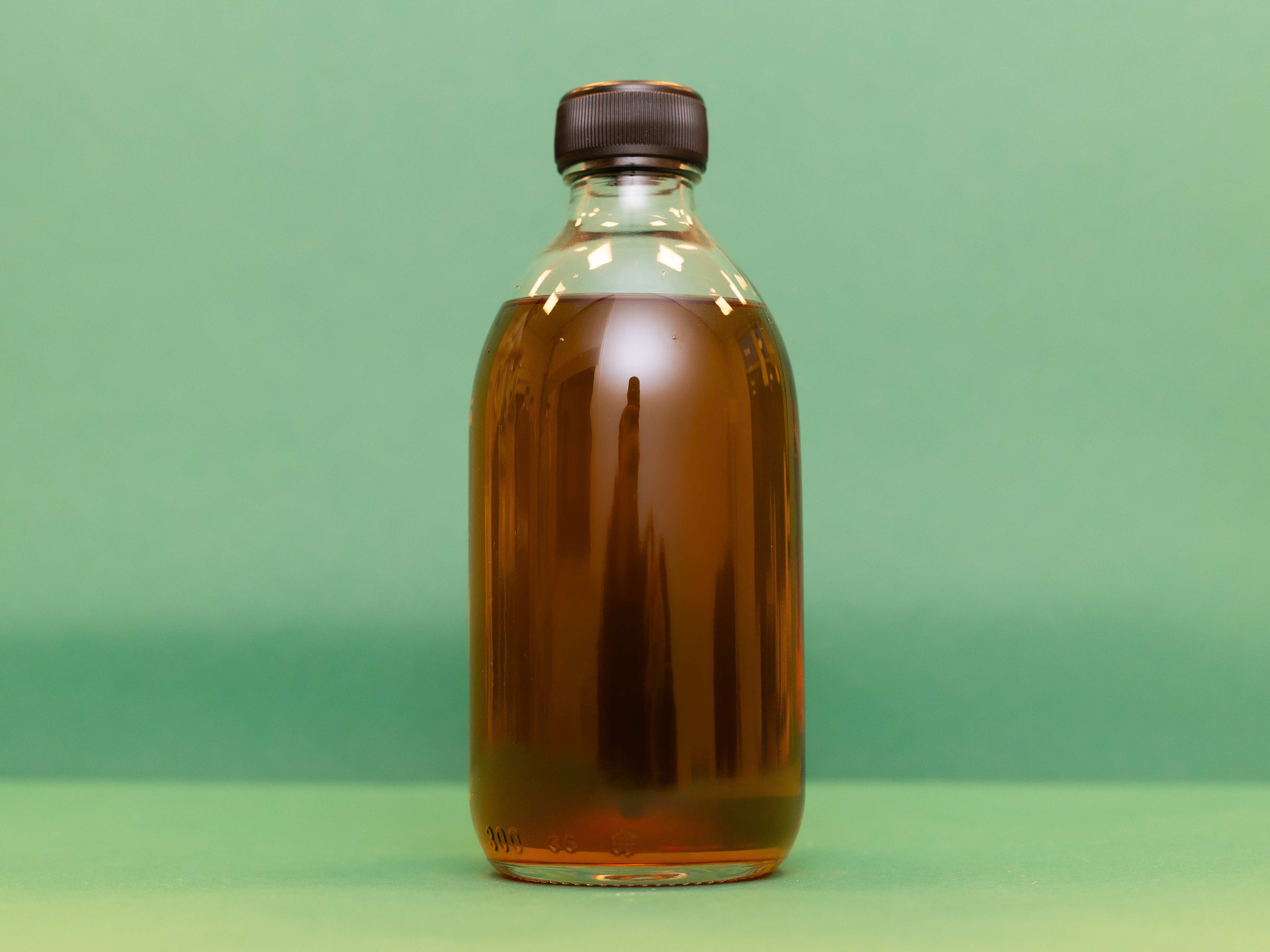



Fusel oil
Sustainably sourced high-quality fusel alcohols for your business
Looking for a reliable source of fusel alcohols for industrial production? Nedstar supplies high-quality fusel oil sourced from established ethanol producers worldwide, providing businesses with consistent specifications and dependable bulk supply.
Produced as a co-product of ethanol fermentation and distillation, fusel alcohol contains a mixture of higher alcohols, including isoamyl alcohol and isobutanol. These compounds make it a valuable raw material for solvents, coatings, fuels, fragrances, and chemical processing.
Whether you need to buy fusel oil in bulk, secure a dependable supply of higher alcohols, or source feedstock for further distillation, Nedstar combines product expertise, global logistics, and trusted producer relationships to develop a solution around your requirements.
Why choose Nedstar as your partner for fusel oil supply?
Reliable global sourcing
Nedstar works with ethanol producers across international markets to provide dependable access to fusel oil and its higher alcohol fractions. Our diversified network helps businesses maintain supply continuity and manage changing market requirements.
Consistent product quality
Fusel alcohol composition can vary according to feedstock and production conditions. At Nedstar, we work with trusted producers and provide product documentation to help customers source materials that meet their required specifications.
Product expertise
Our specialists understand ethanol derivatives and bio-based chemicals, allowing us to support customers in selecting fusel oil or separated higher alcohols for their intended application.
What are fusel alcohols?
Fusel alcohols are a group of higher alcohols formed naturally as by-products during the alcoholic fermentation process. Unlike ethanol, which contains two carbon atoms, higher alcohols generally contain three or more carbon atoms and include compounds such as isoamyl alcohol, isobutanol, and isopropanol.
Fusel oil (or fuselol) is the concentrated mixture of these compounds recovered during ethanol distillation. Its exact composition varies according to the raw material, yeast strain, fermentation conditions, and distillation process.
At Nedstar, fusel oil forms part of our wider biochemical portfolio, where bio-based co-products from ethanol production are transformed into valuable industrial raw materials.
How are fusel oils produced?
Fermentation
The process begins with sugar-rich or starch-based raw materials such as grains, sugar cane or other biomass. During fermentation, yeast converts fermentable sugars into ethanol and carbon dioxide.
Formation of higher alcohols
Alongside ethanol, yeast metabolism produces several higher alcohols. Their formation is influenced by factors including amino acids, yeast nutrients, fermentation temperature, wort composition, and nitrogen availability.
Distillation
During distillation, volatile compounds are separated according to their boiling characteristics. Higher alcohol fractions are recovered separately from the main ethanol stream.
Collection and further processing
The resulting fusel oil can be supplied as a mixture or distilled further to isolate compounds such as isoamyl alcohol and isobutanol for specialised industrial uses.
Fusel oil
Product specification sheet
8013-75-5
C5H12O
![]()
Higher alcohols found in fusel oil
Fusel oil contains a complex mixture of compounds formed during fermentation. The concentration of individual alcohols depends on feedstock, yeast activity and production conditions.
For many customers, fusel oil is valuable not only as a finished industrial solvent but also as a raw material for separating and refining these individual alcohols.
Applications
What is second-fusel oil used for?
Coatings, solvents and industrial products
- Paints and coatings
- Lacquers and varnishes
- Industrial solvents
- Cleaning formulations
- Polishes and surface treatments

Chemical and biochemical production
- Production of isoamyl alcohol
- Recovery of isobutanol and other higher alcohols
- Chemical synthesis and processing
- Esters and chemical intermediates
- Bio-based chemical feedstocks

Flavours and fragrances
- Fragrance intermediates
- Fruit flavour compounds
- Aroma chemicals
- Ester production
- Selected perfume and cosmetic ingredients

Fuel and energy applications
- Biofuel components
- Fuel blending
- Renewable fuel intermediates
- Further processing into higher-value fuel components
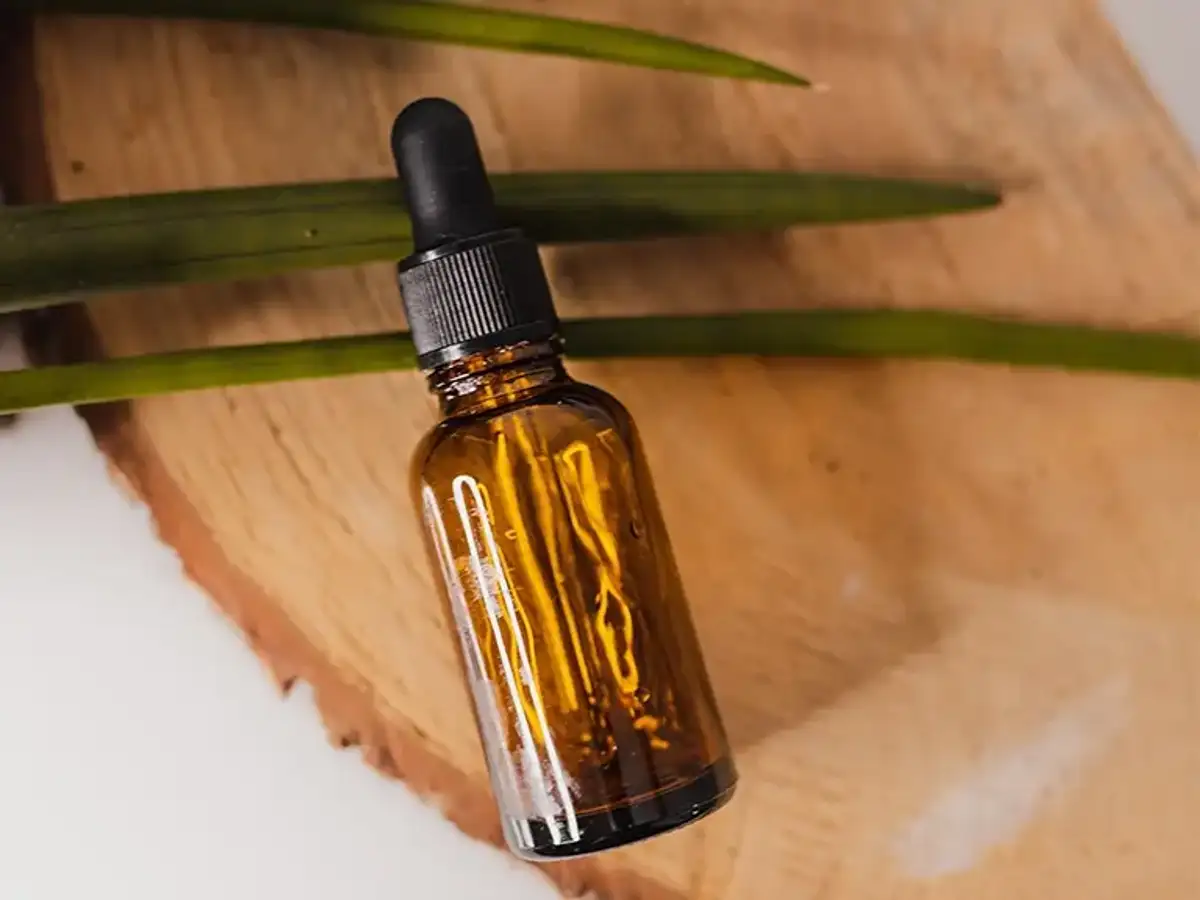
Choosing the right fusel alcohol for your application
The right fusel oil depends on factors such as higher alcohol composition, purity, feedstock origin, and intended use. Applications in coatings, solvents, chemical processing, and fuel production may require different specifications.
Nedstar helps customers identify a suitable fusel oil grade and sourcing solution based on technical requirements, volume, documentation, and destination market.
Key attributes of fusel oils
Bio-based origin
Fusel alcohols are generated during biomass-based ethanol production, providing a route to convert fermentation by-products into commercially useful chemicals.
Valuable higher alcohol content
The presence of isoamyl alcohol, isobutanol, and other higher alcohols makes fusel alcohols suitable for further fractionation and chemical processing.
Solvent performance
Its relatively high boiling range and solvent properties support applications in coatings, lacquers, and industrial formulations.
Circular production potential
Recovering fusel alcohols creates additional value from ethanol production and can help improve resource efficiency by utilising a stream that would otherwise require treatment or disposal.

Sustainability and compliance for fusel alcohols
Fusel alcohols can support more resource-efficient ethanol production by creating value from fermentation by-products and converting them into useful industrial raw materials. Their bio-based origin can also make them relevant for businesses seeking renewable alternatives to conventional fossil-derived chemical feedstocks.
For commercial buyers, sustainability should be considered alongside regulatory compliance, product documentation, and traceability. Nedstar helps customers source fusel oil and higher alcohols with the specifications and supporting documentation required for their target markets.
What
makes
Nedstar
different?

Reach
REACH provides guidelines for gathering and evaluating data about the characteristics and risks associated with various chemicals.

GMO-Free
GMO-free certification indicates that products do not contain genetically modified organisms.

EU Organic
The EU organic certificate stands as a testament to the commitment of agricultural and industrial entities toward sustainable, environmentally friendly practices.

USDA-NOP
The USDA Organic certification (USDA-NOP) sets and enforces U.S. standards for organic products, ensuring integrity and consistency since 2002.
Nedstar packaging options for fusel alcohols
Exporting fusel alcohols worldwide requires the appropriate packaging solution. Nedstar offers packaging options suitable for different industries and sourcing volumes.
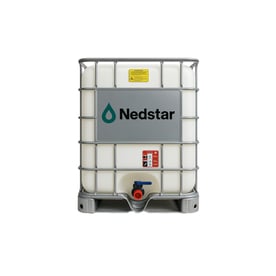
IBC tote

Mid-sized shipments: our stackable IBC totes provide an efficient and reliable solution for transporting fusel alcohols.
ISO container
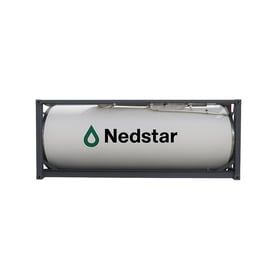
Bulk international shipments: ISO containers offer a secure and efficient option for transporting fusel oils across global supply chains.
Tanktruck
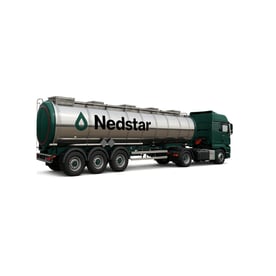
Large-volume deliveries: tank trucks provide an efficient solution for regional transport of fusel alcohols.

Nedstar is your reliable partner for sourcing fusel alcohols
Choosing the right fusel oil suppliers is essential for securing consistent quality, reliable logistics and the documentation your operations require.
Nedstar connects customers with trusted ethanol and biochemical producers as well as reliable fusel oil manufacturer networks, offering bulk fusel oil and higher alcohols tailored to your specifications, volume and destination.
Looking to buy fusel oil in bulk? Contact Nedstar's product specialists for a tailored sourcing solution and quote.
Explore our related product offerings
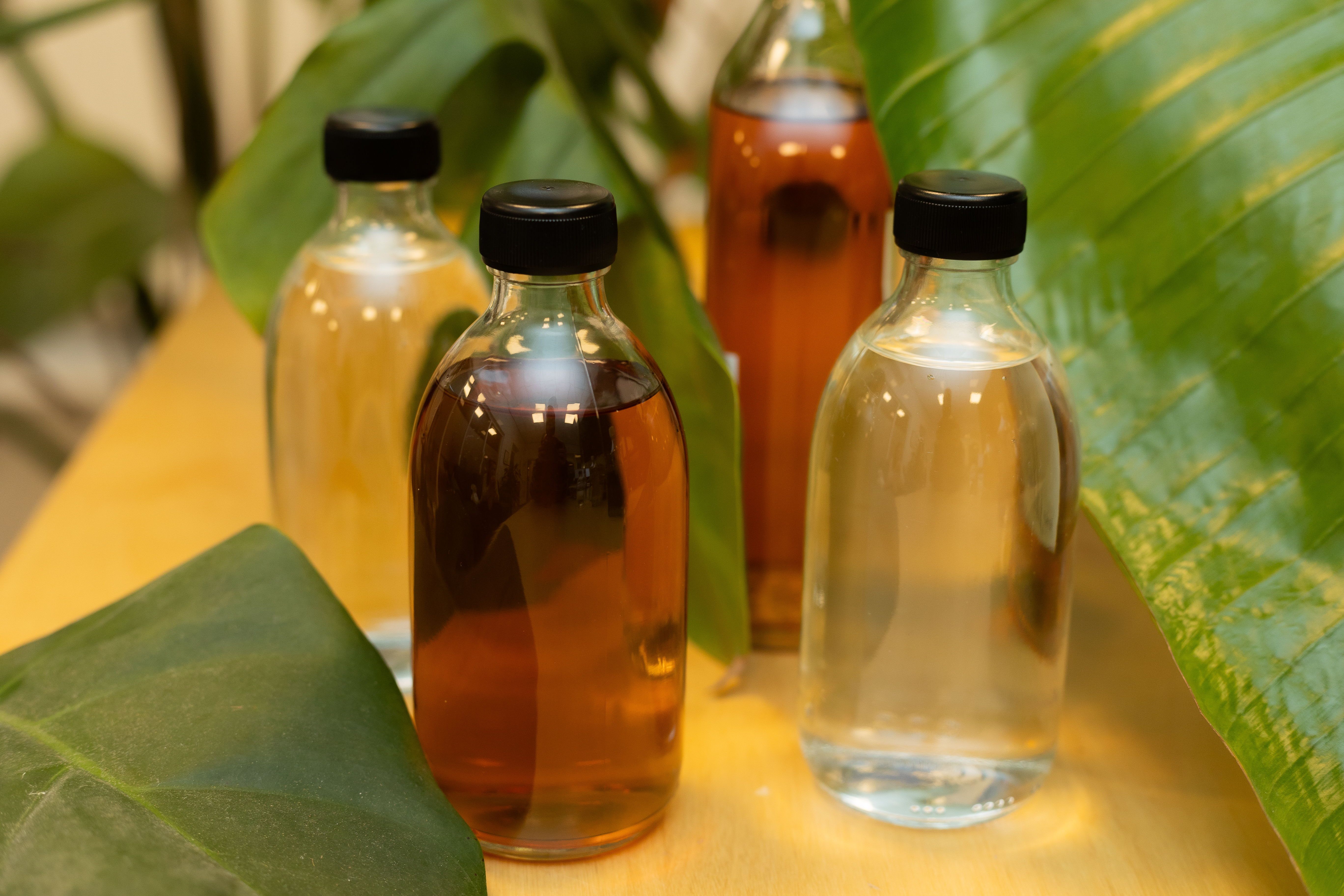
Isobutanol
A versatile bio-based higher alcohol obtained through fermentation or recovered from fusel oil, used in coatings, chemical synthesis, and renewable fuel applications.
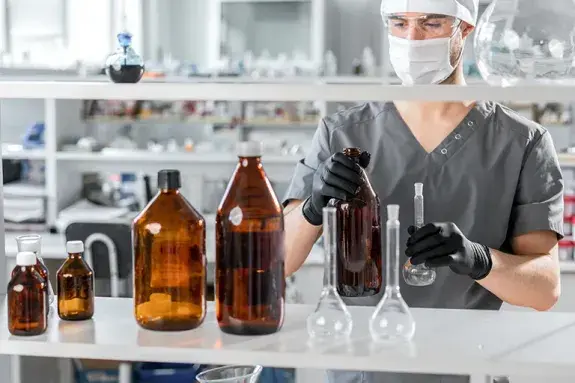
Isoamyl alcohol
A major component of fusel oil used as a solvent and chemical intermediate in flavours, fragrances, coatings, and industrial processes.
Biochemicals
Explore Nedstar’s broader portfolio of bio-based chemicals and higher alcohols for industrial, fuel, coating, and chemical applications.
Frequently Asked Questions
What is fusel alcohol?
Fusel alcohols are mixtures of higher alcohols produced as a by-product during ethanol fermentation and distillation. They typically contain a mixture of higher alcohols, typically around 60-70% isoamyl alcohol, plus isobutyl alcohols, pyrazine, and other trace components.
How can fusel oil be used?
Fusel oil is primarily used as a high-boiling solvent, for example, in the lacquer industry, and in petroleum-based fuels and pesticides. In many cases, it is distilled further into component alcohols (e.g., isoamyl alcohol), which are used in flavourings, perfumes, polishes, and other non-food products.
How does the fusel oil market look and what are future trends?
Interest in fusel oil as a bio-based industrial feedstock is supported by wider UK demand for renewable fuels and lower-carbon chemical alternatives. According to the UK Department for Transport, in 2024, renewable fuels accounted for 8% of all road and non-road mobile machinery fuel supplied in the UK, while verified renewable fuels delivered an average 80% greenhouse gas saving compared with fossil fuels. These trends create opportunities for bio-based co-products such as fusel oil in fuel and chemical applications.
What is the difference between ethanol and fusel alcohol?
Ethanol contains two carbon atoms and is the primary alcohol produced when yeast ferments sugars. Fusel alcohols are higher alcohols formed in smaller quantities during fermentation and generally contain three or more carbon atoms. They also have different boiling points, aromas, and industrial applications.
What causes fusel alcohol in beer?
Fusel alcohols in beer form naturally through yeast metabolism during fermentation. Their concentration can be influenced by yeast strain, amino acid availability, nitrogen levels, wort dissolved oxygen composition, and fermentation temperature. Higher concentrations may create hot or solvent-like flavours, while controlled amounts can contribute to the complexity of beer aroma or even eliminate off-flavours.
Is fusel oil toxic?
Fusel oil contains concentrated higher alcohols and should be handled as an industrial chemical rather than consumed. Consumption can present health and safety risks depending on concentration and route of exposure. Always follow the fusel oil MSDS (Safety Data Sheet), appropriate handling procedures, and applicable workplace regulations.
Can you consume fusel alcohols?
Fusel alcohols are naturally present at low concentrations in fermented drinks such as whisky, wine, and other spirits, where they may contribute to taste, flavour, and aroma. However, concentrated fusel oil is an industrial product and is not suitable for direct consumption, as higher exposure can cause harmful effects.
What affects fusel oil price?
Fusel oil price depends on its composition, feedstock origin, available volume, market conditions, certification, transport requirements, and destination. Because it is primarily traded as a B2B biochemical product, customers typically request a tailored quote based on their required specifications and purchasing volume.
Can I buy fusel oil in bulk?
Yes. Nedstar supplies fusel oil in commercial volumes through its global sourcing and logistics network. Customers can request a tailored quote based on required composition, documentation, batch volume, and destination.
How can I request a quote or get more information about fusel oil from Nedstar?
Simply complete the short “Request Quote” form on our product page, and one of our commercial experts will contact you promptly with a tailored offer and further technical or logistical information.