





Second-generation biofuel
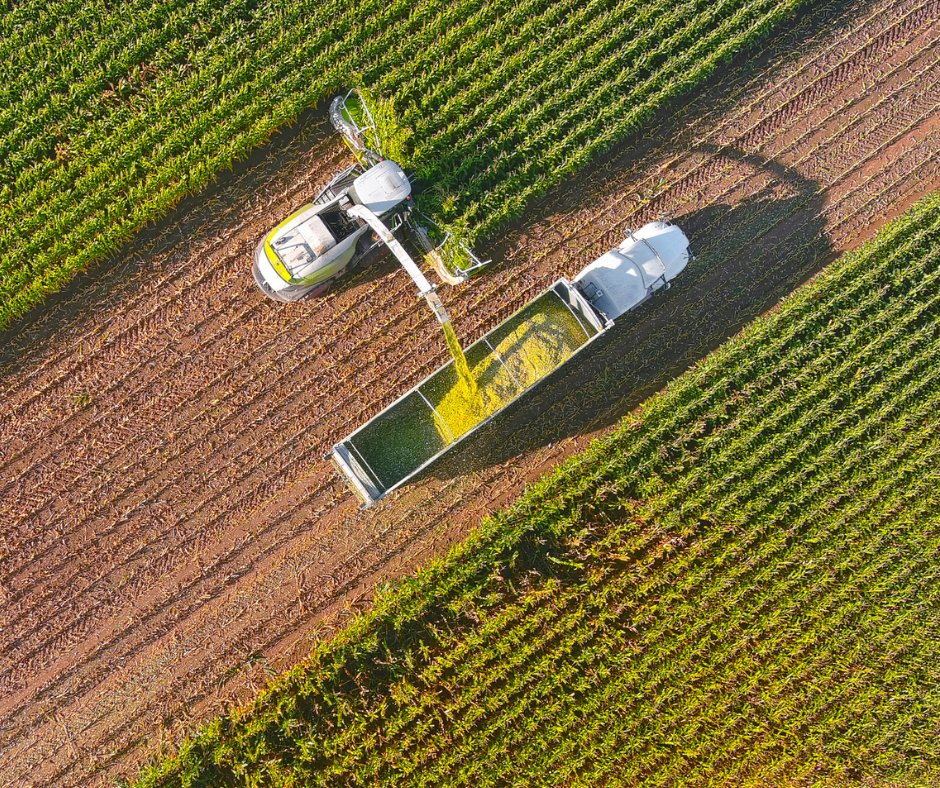
Second-generation biofuels are taking a step further in the transition to cleaner energy. First-generation biofuels are made from food crops, while second-generation biofuels are derived from agricultural residues, non-food biomass, or waste products like used cooking oil or coffee waste. That means no competition with food supply chains and a significantly lower environmental impact.
Nedstar is at the forefront of providing forward-thinking energy solutions that not only meet today’s demands but also anticipate the challenges of tomorrow. Whether you're developing sustainable aviation biofuels, second generation biodiesel, or another ground-breaking alternative to traditional fossil fuel, our responsibly sourced ethanol helps you drive the future.
Applications of second-generation biofuel
Second-generation biofuels are increasingly used across several industries as cleaner alternatives to fossil fuels. Their impact stretches far beyond the fuel tank.
Aviation
Sustainable aviation fuels (SAFs) made from bio-based waste materials are becoming a cornerstone of the airline industry's strategy to meet international net-zero targets.
Road transport
2G biofuels, such as ethanol fuel and second generation biodiesel, offer significant reductions in carbon emissions compared to petrol and diesel, with no major changes required to existing engines.
Marine
Shipping companies are adopting biofuel blends to meet tightening environmental regulations and reduce sulphur emissions.
Power and heating
Biofuels are also used for industrial heating and power generation, providing a renewable alternative in sectors traditionally reliant on fossil energy.
The future of second-generation biofuels
As governments and industries step up their climate commitments, the role of advanced biofuels continues to grow. According to the International Energy Agency (IEA), global capacity for advanced biofuels is expected to nearly triple by 2030. Policies such as the EU’s Renewable Energy Directive (RED II) and the US Renewable Fuel Standard are creating strong incentives for second-generation alternatives.
Quality marks and certifications
Our alcohol is always REACH and ECHA Art. 95 certified. In addition, the product can also be certified as Kosher, Cosmos-approved or GMO-free.

Reach
REACH provides guidelines for gathering and evaluating data about the characteristics and risks associated with various chemicals.

GMO-free
GMO-free (Genetically Modified Organism) certification indicates that products do not contain genetically modified organisms.

EU organic
The EU organic certificate stands as a testament to the commitment of agricultural and industrial entities toward sustainable, environmentally friendly practices.

USDA-NOP
The USDA Organic certification (USDA-NOP) sets and enforces U.S. standards for organic products, ensuring integrity and consistency since 2002.

Why partner with Nedstar?
It’s important to select a strategic partner in your transition to cleaner energy. Nedstar ensures a global supply of second-generation ethanol made from food waste and non-food biomass. Tailored for biofuel production, our 2G ethanol helps clients create low-emission biofuels without compromising performance.
With operations in over 70 countries, we combine global reach with a personal, full-service approach. From flexible logistics to regulatory support, we deliver consistency, transparency, and long-term value at every stage.
Nedstar packaging options
Exporting ethanol to countries worldwide from over 75 international suppliers requires the appropriate packaging. To make sure that your product arrives safely to its destination, Nedstar has a number of packaging options, suitable for any industry or amount of ethanol.
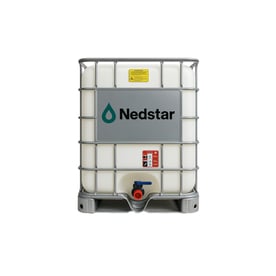
IBC tote

Mid-sized shipments; our stackable IBC totes are widely used by companies across Europe, the US, and Asia for their efficiency and reliability.
ISO container
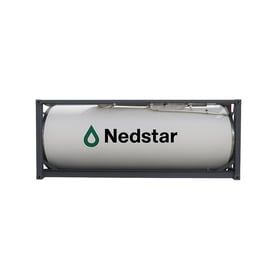
Our ISO tanks support intermodal transport by sea, rail, and road. They are ideal for companies sourcing in medium to large volumes.
Tanktruck
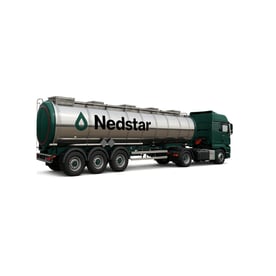
Our tank trucks are widely used across Europe to deliver bulk ethanol by road. They’re a practical option for regional transport and quick distribution.
Ready to scale your sustainable fuel production?
Talk to our team about tailored ethanol solutions.
Frequently Asked Questions
What makes second generation biofuels better than first generation?
Second generation biofuels are produced from non-edible biomass and waste materials, meaning they don’t compete with food crops or drive deforestation. This makes them a more sustainable and future-proof option for companies looking to lower their carbon footprint.
Where can Nedstar deliver ethanol for biofuel use?
We operate on a global scale, supplying ethanol to clients across Europe, Latin America, Asia, Africa, and beyond. Whether you need bulk shipments via tank containers or smaller, specialised volumes, our logistics network is built to deliver safely and efficiently to your doorstep.
Can you support long-term production needs?
Absolutely. We’re set up for long-term partnerships, with flexible contract models, secure sourcing, and dedicated account managers who understand your business. Whether you're scaling up or looking for security of supply, we’re here to grow with you.
Can ethanol be used in sustainable aviation fuel (SAF)?
Yes. Ethanol is a key feedstock for certain SAF production technologies, such as Alcohol-to-Jet (AtJ). As global aviation decarbonisation accelerates, demand for high-quality, waste-based ethanol is expected to grow, and Nedstar is ready to support that transition.