






Skip to content

Certified organic acetic acid for your business needs

Looking for a reliable source of bio acetic acid? Nedstar supplies bio-based acetic acid for chemical manufacturing, solvents, food applications and other industrial uses, backed by global sourcing expertise and dependable logistics.

Produced from renewable feedstocks such as bioethanol and biomass, organic acetic acid offers the same chemical functionality as conventional acetic acid while supporting renewable chemical production and carbon reduction initiatives.

Nedstar helps customers secure consistent quality, reliable supply and the documentation required for their target markets.

vinegar nedstar

Why choose Nedstar as your partner for bio acetic acid supply?

Reliable global sourcing

Nedstar works with trusted chemical manufacturers and producers to provide dependable access to bio acetic acid across international markets.

Consistent product quality

Our sourcing network helps customers maintain consistent specifications for industrial solvents, chemical production efficiency, and downstream acetic acid derivatives.


Renewable feedstock sourcing

Bio-based acetic acid can be produced from renewable raw materials, supporting businesses seeking alternatives to petroleum-based acetic acid and more sustainable manufacturing strategies.


Gloved hands holding a conical flask with yellow liquid in a bright laboratory setting.

What is bio acetic acid?

Acetic acid is an organic compound with the chemical formula CH₃COOH. It is a clear, colourless liquid widely used as a raw material in chemical manufacturing, solvents, food processing, adhesives, plastics, and textiles, with the vinyl acetate monomer segment dominating the market with an acetic acid market share of 42.9%, as of 2025.

Organic acetic acid is chemically identical to conventional acetic acid but is produced from renewable feedstocks rather than petrochemical or other fossil-based raw materials. Because it offers the same chemical functionality, it can serve as a direct alternative to petrochemical-derived acetic acid across many major industrial applications.

Bio-based production can use bioethanol, biomass or other renewable sources, making it relevant to businesses pursuing sustainable chemical production, lower-carbon sourcing and circular economy principles.

For end-user industries, the key advantage is that bio acetic acid can often be integrated into existing manufacturing processes without changing the required chemical functionality.

How is bio acetic acid produced?

Renewable feedstock preparation

The process of sustainable production begins with renewable raw materials such as bioethanol, biomass, or agricultural residues. Corn starch and maize represent approximately 44.5% of the feedstocks used in the bio acetic acid market, highlighting their importance in bio-based production.


Conversion

Bio acetic acid production can use biological fermentation or catalytic oxidation pathways, depending on the feedstock and production technology.

Purification

The resulting acetic acid is purified to achieve the concentration and quality required for industrial and chemical applications.

Quality control

The final product is tested for purity, composition, and consistency before commercial supply.

Bio acetic acid

Product specification sheet

Chemical name
Chemical formula of acetic acid
CAS registry number
Appearance
Boiling point
Solubility

Acetic acid

CH₃COOH
64-19-7

Clear liquid

~118°C

Miscible with water, alcohol, and ether

Applications

What is bio acetic acid used for?

denaturantes nedstar chemicals
Chemical manufacturing
  • Vinyl acetate monomer
  • Acetic anhydride
  • Acetic acid derivatives
  • Specialty chemicals
  • Chemical intermediates
pexels-rfstudio-3825502-2
Acetate esters and industrial solvents
  • Ethyl acetate
  • Butyl acetate
  • Solvent formulations
  • Coatings and adhesives
  • Printing and chemical processing
Gloved hand mixing blue pigment paste into a plastic cup during resin production
Plastics and polymers
  • Purified terephthalic acid
  • Vinyl acetate-based polymers
  • Ethylene vinyl acetate applications
  • Plastic and resin manufacturing
alcohol perfume nedstar-1
Textiles, food and beverage sector
  • Vinegar production
  • Food acidity regulation
  • Textile dyeing and finishing
  • Pharmaceutical intermediates
  • Personal care formulations

Bio based acetic acid vs conventional acetic acid

Feature
Feedstock
Production method
Chemical structure
Performance
Carbon profile
Applications
Sourcing focus

Bio based acetic acid

Renewable biomass or bioethanol
Sustainable production using bio-based production technologies
CH₃COOH
Equivalent chemical functionality
Potentially lower depending on production pathway, reducing carbon emissions
Chemicals, solvents, food, textiles, and polymers
Renewable feedstock sourcing and traceability
Conventional acetic acid
Petrochemical-derived raw materials

Conventional production methods using other raw materials that may not always be sustainable

CH₃COOH
Established industry standard
Generally linked to fossil feedstocks
Same major industrial applications
Cost, scale, and conventional availability

Conventional acetic acid remains dominant in the global bio-based acetic acid market and among major chemical manufacturers because of its established production capacity and mature supply chains.

In the UK, however, the chemical industry is seeing increased support for lower-carbon and more resilient production, including a £350 million Critical Chemicals Resilience Fund announced in 2026. This investment, alongside growing interest in green chemicals, process optimisation, and technologies that enhance production efficiency, is creating conditions for significant growth in more sustainable chemical production.

Choosing bio acetic acid for your application

Selecting the right bio acetic acid supply depends on your required purity, downstream application, volume and destination market.

Applications such as acetate esters, purified terephthalic acid, vinyl acetate monomer, and acetic anhydride can have different quality and process requirements.

Nedstar works with customers to match product specifications with their chemical manufacturing and sourcing needs.

Bottles of clear and amber ethanol placed among large green leaves on a wooden surface.

Key attributes of bio acetic acid


adding-value

Renewable origin

Bio acetic acid is produced from bio-based feedstocks rather than fossil-derived raw materials.


biochemicals icon

Chemical equivalence

Bio acetic acid offers the same molecular structure and core functionality as conventional acetic acid.


dynamic

Broad applicability

Bio acetic acid is suitable for solvents, acetate esters, chemical intermediates, and other industrial applications.


bottom-line

Lower carbon potential

The use of bio acetic acid can support carbon reduction strategies when produced through efficient renewable pathways.


EcoVadis-Sustainability

Sustainability and the bio acetic acid market

The bio acetic acid market is closely linked to broader trends in green chemistry, renewable chemicals, and carbon footprint reduction.

Increasing demand from chemical manufacturers, stricter environmental regulations, and corporate carbon reduction initiatives are creating more opportunities for bio-based chemical production.

For buyers, sustainable sourcing requires more than selecting a renewable product. Traceability, production method, documentation, and supply chain resilience all influence the overall environmental impact.

Nedstar helps customers source bio acetic acid with these commercial and sustainability considerations in mind.


What
makes
Nedstar
different?

reach-darkgreen
Reach

 REACH provides a framework for gathering and evaluating information on the properties, uses, and potential risks of various chemicals. 

EcoVadis Green
EcoVadis

EcoVadis Silver Medal Recognises Nedstar’s strong sustainability performance across environmental, ethical, labour and responsible procurement practices. 

eu-organic-darkgreen
EU Organic

The EU Organic certification confirms that qualifying Nedstar products meet EU organic production and processing requirements, supporting responsible sourcing and greater supply chain transparency. 

usda-organic-darkgreen
USDA-NOP

Nedstar supplies USDA-certified organic products that meet National Organic Program standards and support responsible agricultural practices, biodiversity and ecological balance.

Nedstar packaging options for bio acetic acid

Exporting acetic acid worldwide requires the appropriate packaging solution. Nedstar offers packaging options suitable for different industries and sourcing volumes.

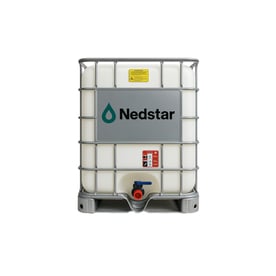
1,000 Litres
IBC tote

IBC Nedstar

Mid-sized shipments: stackable IBC totes provide an efficient solution for transporting bio acetic acid across regional and international supply chains. 

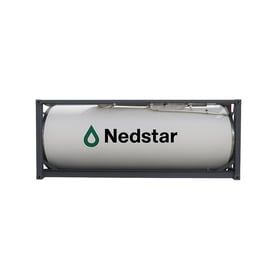
25,000 Litres
ISO container

ISO tank Nedstar

Bulk international shipments: ISO containers support efficient transport of bio acetic acid by sea, rail, and road.

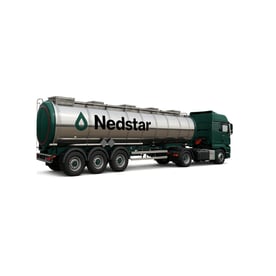
35,000 Litres
Tanktruck

Tank truck Nedstar

Large-volume deliveries: tank trucks provide a practical solution for regional distribution of bio acetic acid to multiple industrial sectors.

Nedstar is your reliable partner for sourcing bio acetic acid

Working with a reliable bio acetic acid supplier helps ensure consistent quality, dependable availability, and efficient delivery across your supply chain.

Nedstar connects customers with trusted producers and provides bulk bio acetic acid tailored to required specifications, volume, and destination.

Looking to strengthen your bio-based chemical supply chain? Contact Nedstar's product specialists to discuss your requirements and request a tailored quote.

Explore our related product offerings

nedstar-denaturants-dep_2022-09-28-115001_iwcn
Bio ethyl acetate

A bio-based solvent produced from renewable feedstocks and used in coatings, inks, adhesives, and chemical applications.

ENA-sugar-cane
Ethanol

A versatile renewable raw material used in chemical manufacturing, fuel, pharmaceuticals, industrial and consumer applications.

nedstar-denaturants-dep
Biochemicals

Explore Nedstar's wider portfolio of bio-based and conventional chemical building blocks for industrial applications.

Frequently Asked Questions