




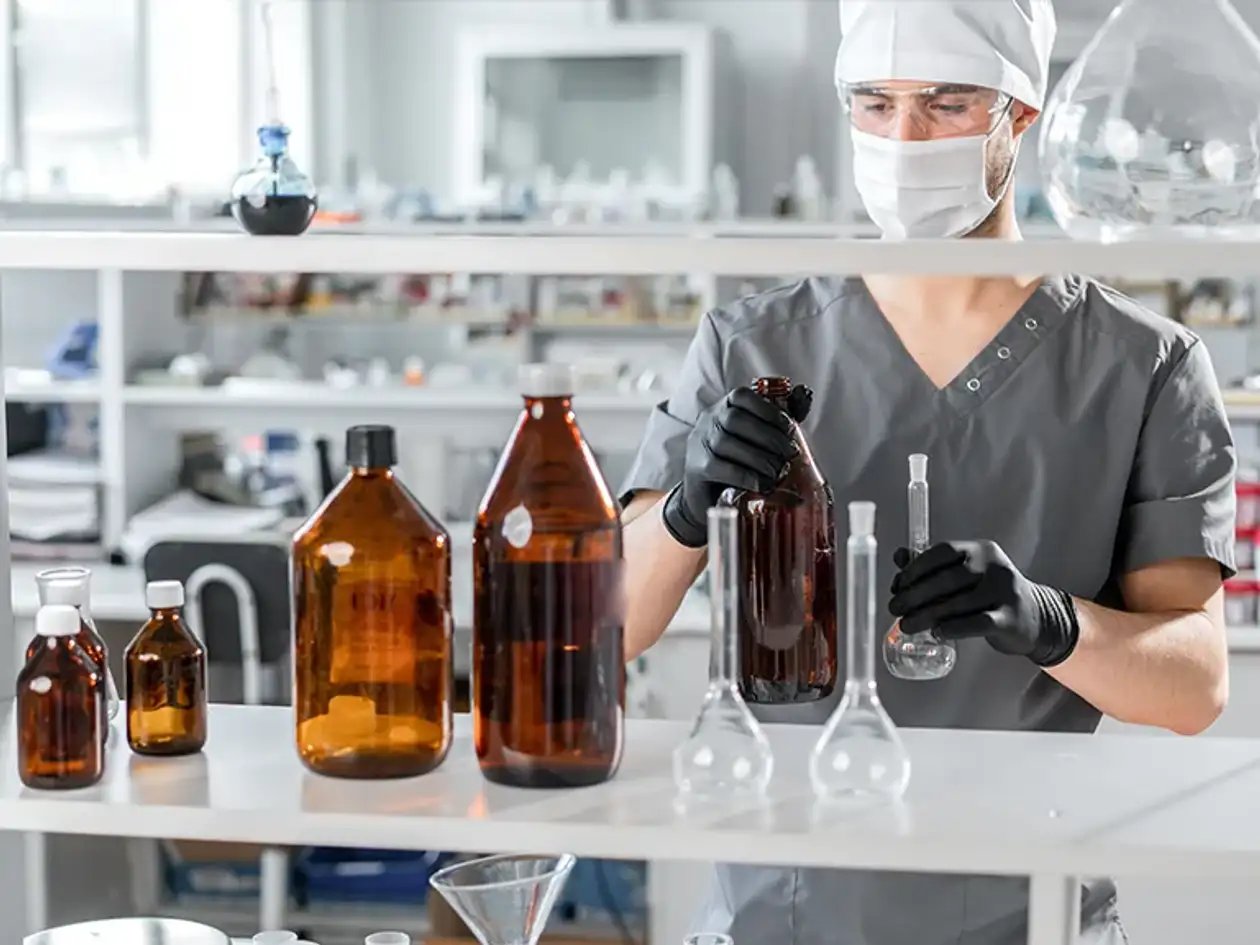



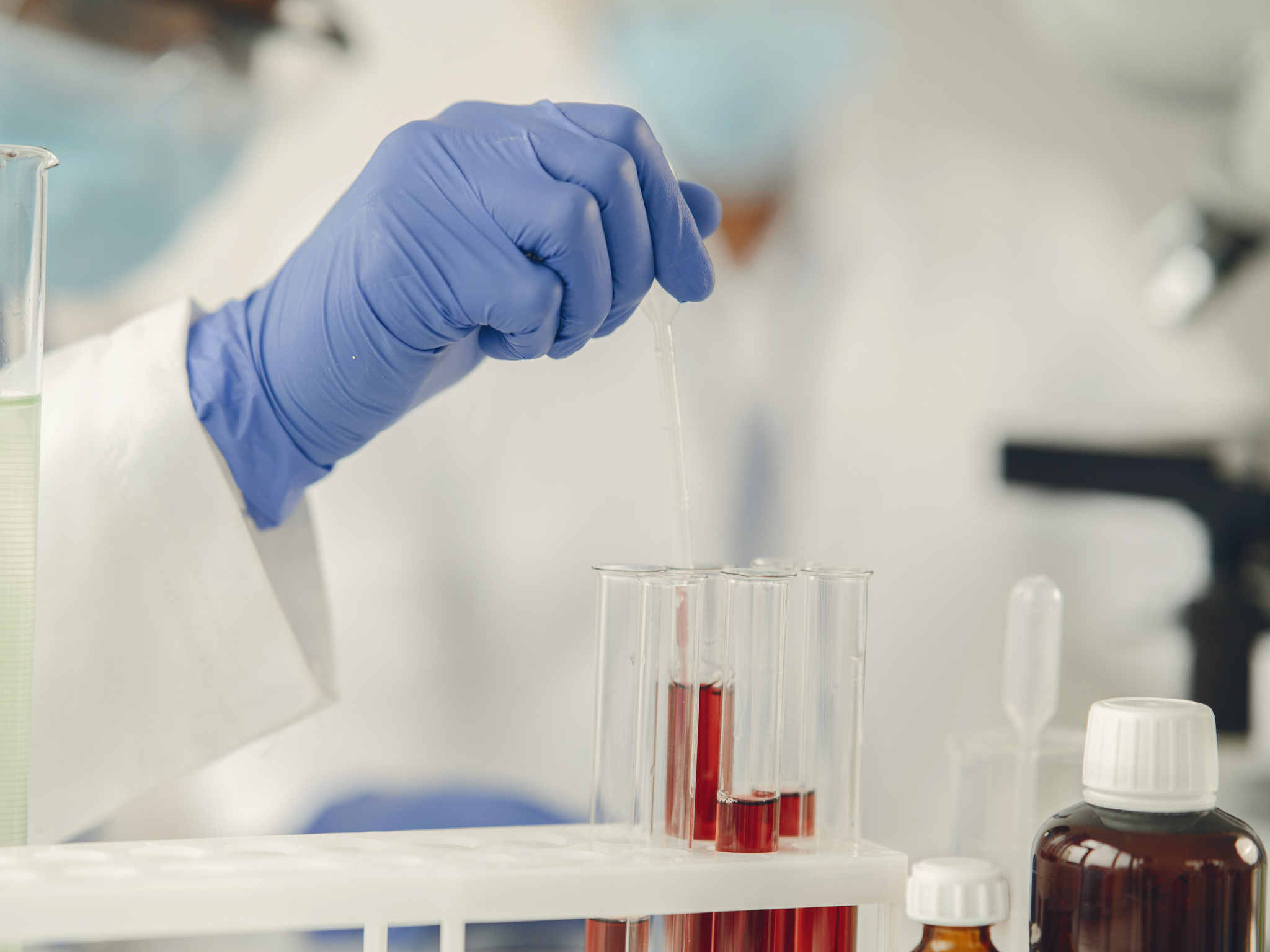
Isopropyl Alcohol (IPA)
A commonly used solvent and denaturant with a strong alcohol-like smell and unpleasant taste that helps make ethanol unsuitable for consumption while maintaining its effectiveness in industrial applications.

Diethyl Phthalate (DEP)
A denaturant with a low odour profile, commonly used in cosmetics, fragrances, and other formulation-sensitive applications where sensory characteristics are important.
Ethyl Acetate (ETAC)
A highly volatile denaturant with a sweet, fruity odour, particularly useful in formulations where solvent performance is important.
Denatonium Benzoate (Bitrex)
One of the bitterest known substances. It is often used in very small quantities to discourage ingestion and avoid accidental consumption without affecting product performance.
Methyl Ethyl Ketone (MEK)
A highly volatile organic compound characterised by a distinctive sweet odour resembling acetone.
Tert-Butyl Alcohol (TBA)
TBA is a colourless denaturant with a camphor-like odour, beneficial for retaining ethanol’s effectiveness while preventing the misuse of industrial ethanol as a beverage.

Regulatory compliance
Help make ethanol unsuitable for consumption while meeting regional denaturing and excise requirements.

Formulation flexibility
Available in a range of options to suit different industries, performance requirements, and end-use applications.

Product integrity
Preserve the core solvent and functional properties of ethanol while supporting safe industrial use.

Application-specific performance
Selected to provide the desired balance of odour, volatility, compatibility, and regulatory compliance.

ISCC+
ISCC+ ensures our materials are sourced responsibly across the supply chain, supporting circular and bio-based solutions.

Reach
REACH provides a framework for gathering and evaluating information on the properties, uses, and potential risks of various chemicals.

ISO 9001
ISO 9001 certification ensures our quality management systems meet internationally recognised standards for consistency, efficiency and continuous improvement.

ISO 14001
We follow ISO 14001 standards to reduce environmental impact, improve resource efficiency and support enhanced operational performance.
IBC tote
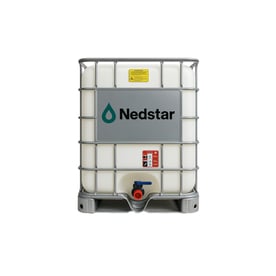
Mid-sized shipments: our stackable IBC totes are widely used by companies across Europe, the US, and Asia for their efficiency and reliability.
ISO container
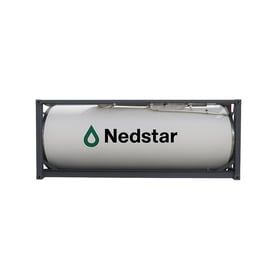
Our ISO tanks support intermodal transport by sea, rail, and road. They are ideal for companies sourcing in medium to large volumes.
Tanktruck
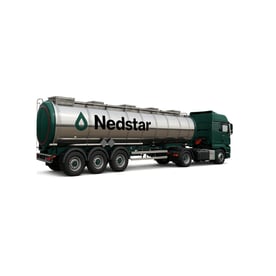
Our tank trucks are widely used worldwide to deliver bulk chemicals by road. They’re a practical option for regional transport and quick distribution.
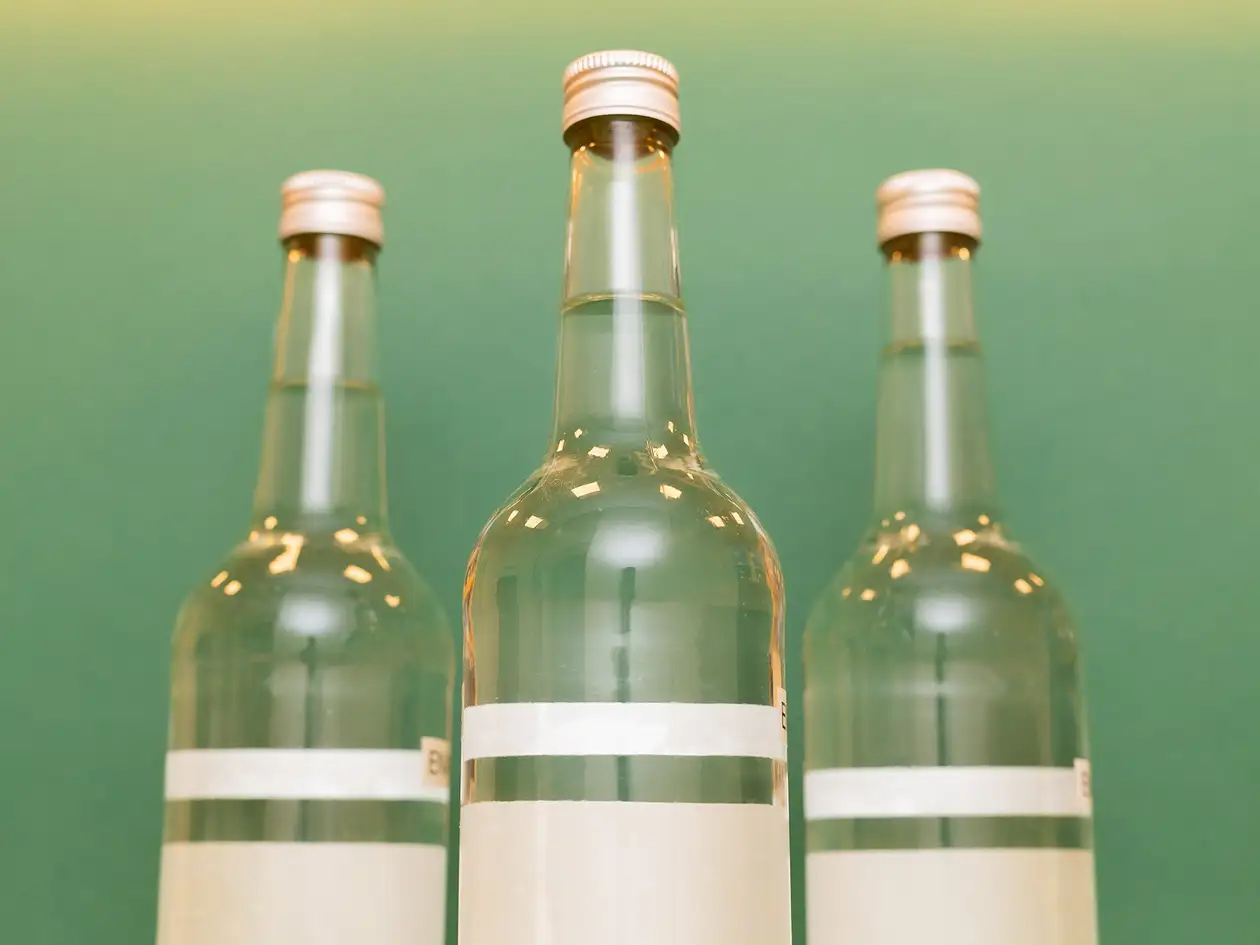
Ethanol
Versatile bio-based alcohol used across pharmaceuticals, personal care, industrial solvents, fuel applications, and more.
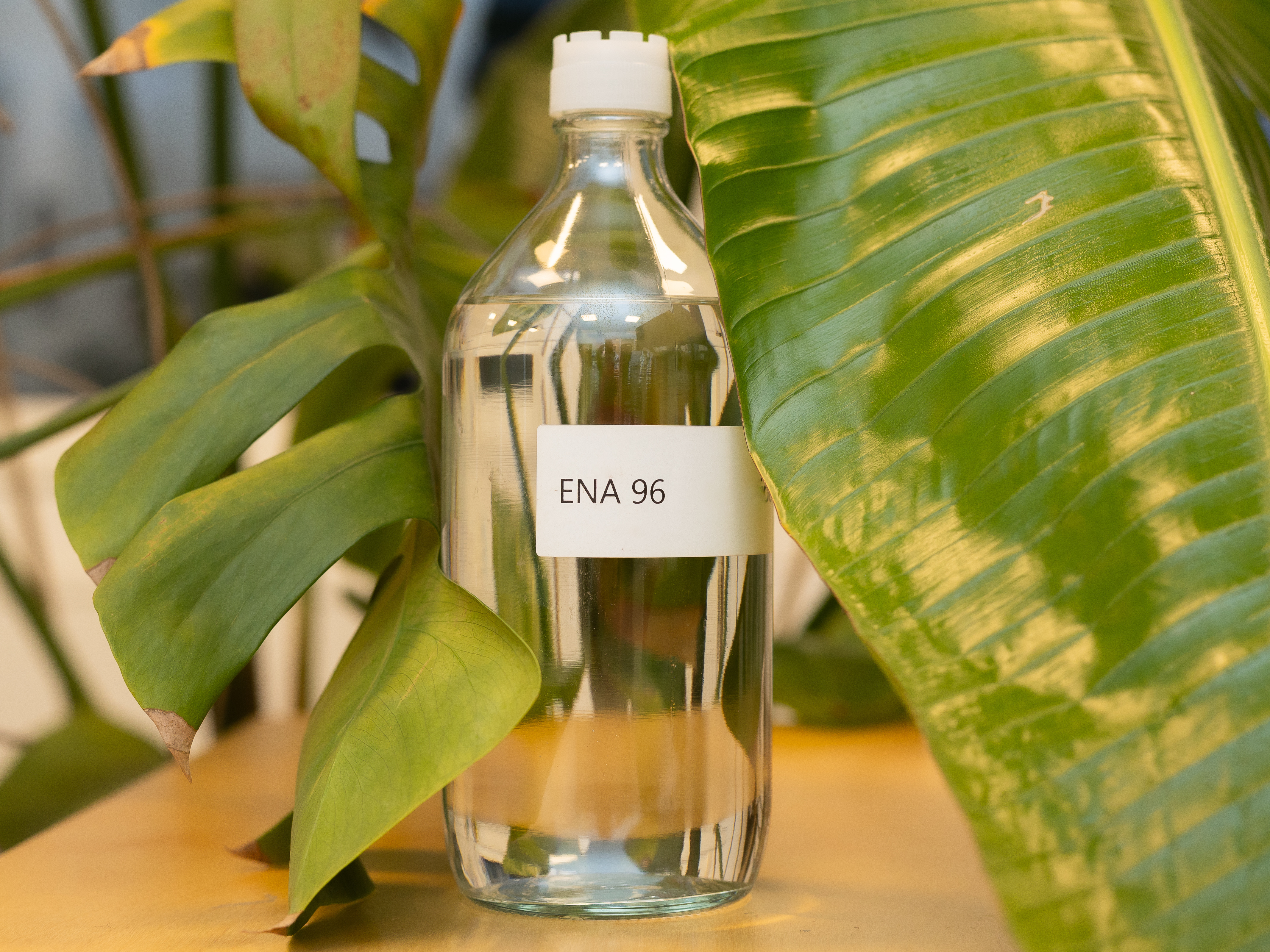
Extra neutral alcohol (ENA)
High-purity ethanol with a neutral profile, widely used in pharmaceutical, cosmetic and food-grade formulations.
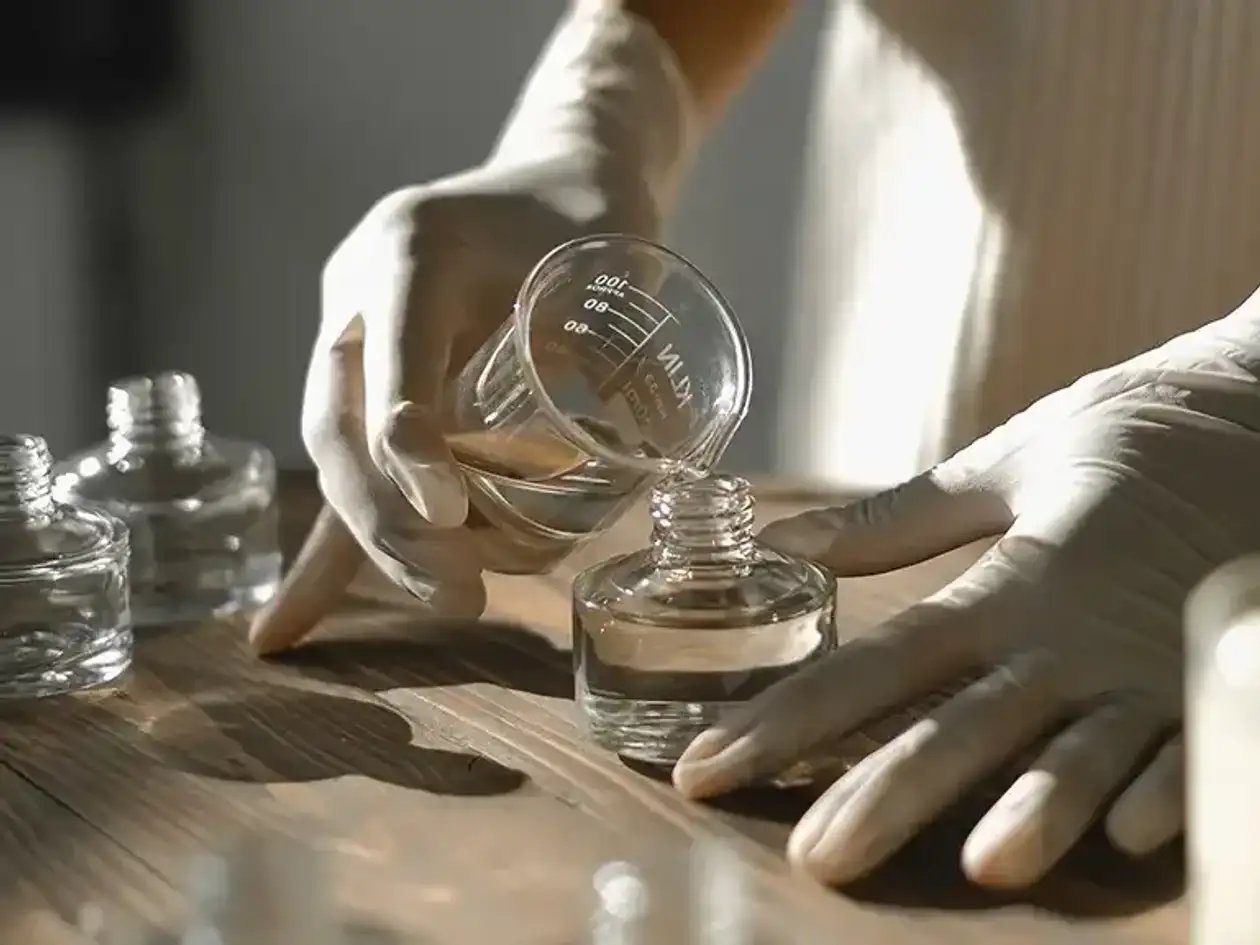
Anhydrous alcohol
Water-free ethanol designed for applications requiring maximum purity, including fuels, pharmaceuticals and speciality chemicals.
TSDA
For businesses operating in Europe, Nedstar offers extra neutral alcohol 96% denatured according to TSDA-1.