




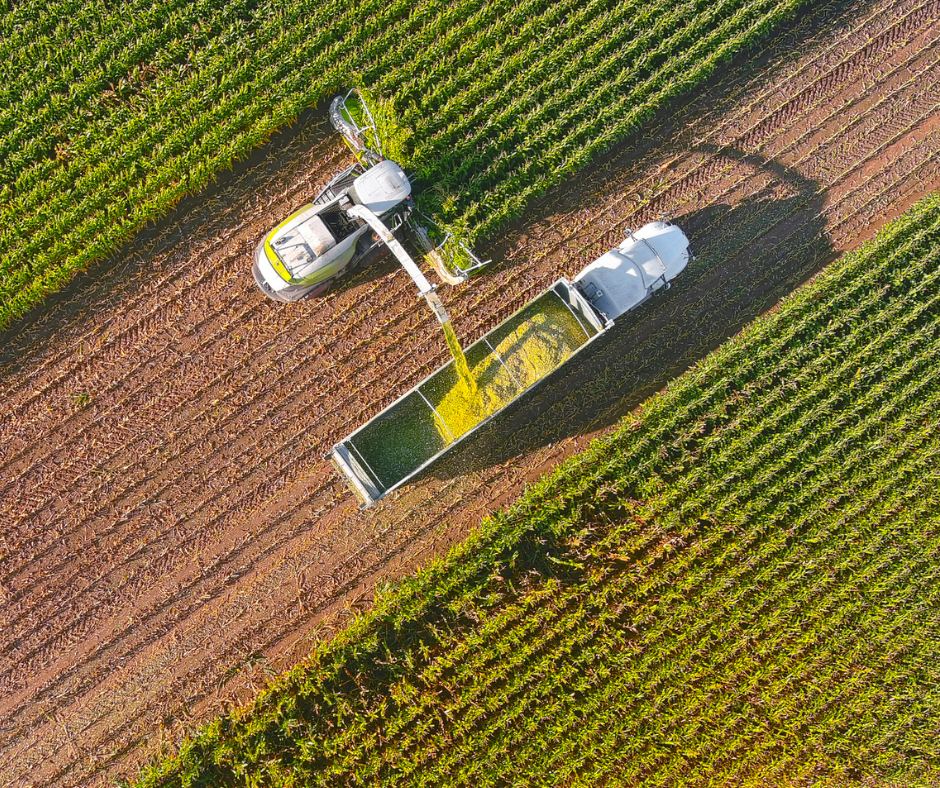





Fuel and energy applications
- Bioethanol fuel
- Petrol and gasoline blending
- Flexible-fuel vehicles
- Advanced transport fuels
- Industrial heat and energy
- Off-grid power applications
- Bioethanol fireplaces
- Outdoor fireplaces
- Alcohol-to-jet pathways
- Sustainable aviation fuel value chains

Industrial and chemical applications
- Industrial solvents
- Chemical synthesis
- Cleaning formulations
- Coatings and inks
- Fuel additives
- Extraction processes
- Renewable chemical intermediates
- Denatured alcohol formulations
- Other non-food applications

Renewable feedstocks
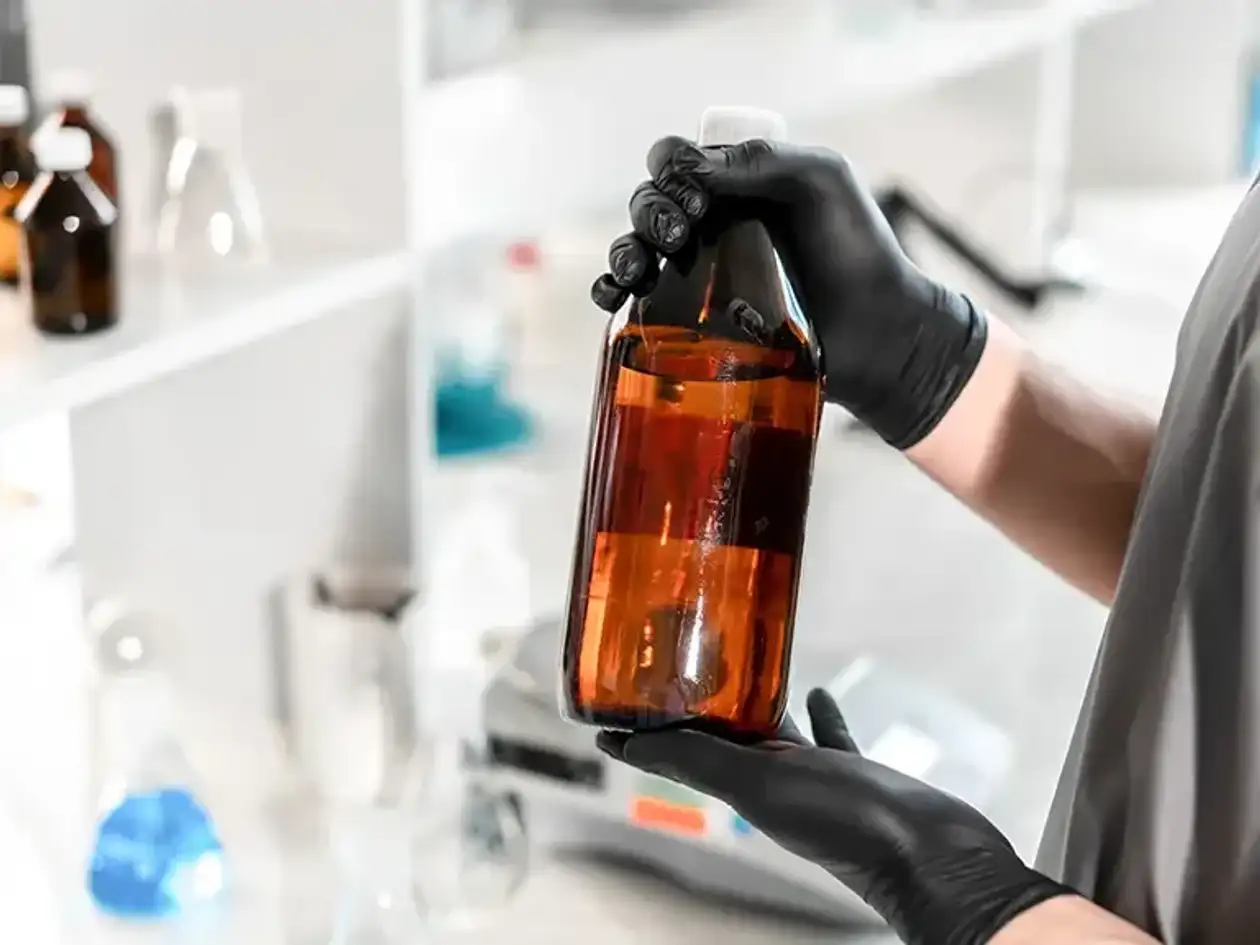
Produced from non-food biomass such as agricultural residues, forestry by-products and other cellulose-rich waste materials.

Lower-carbon potential
Alcohol evaporates quickly after application, helping release fragrance notes effectively.

Versatile performance
Maintains the established solvent, combustion and chemical properties of ethanol for fuel, energy and industrial applications.

Circular resource use
Creates value from agricultural waste and by-products to contribute to circular economy.


ISCC+
ISCC+ ensures our materials are sourced responsibly across the supply chain, supporting circular and bio-based solutions.

Reach
REACH provides a framework for gathering and evaluating information on the properties, uses, and potential risks of various chemicals.

ISO 9001
ISO 9001 certification ensures our quality management systems meet internationally recognised standards for consistency, efficiency and continuous improvement.

ISO 14001
We follow ISO 14001 standards to reduce environmental impact, improve resource efficiency and support enhanced operational performance.
IBC tote
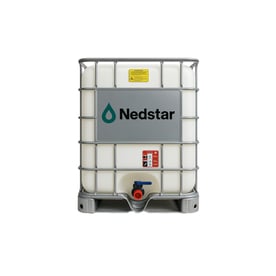
Mid-sized shipments: our stackable IBC totes are widely used by companies across Europe, the US and Asia for their efficiency and reliability.
ISO container
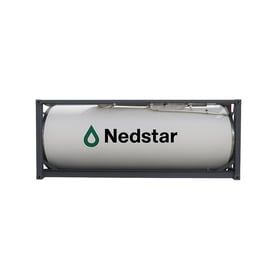
Our ISO tanks support intermodal transport by sea, rail and road. They are ideal for companies sourcing in medium to large volumes.
Tanktruck
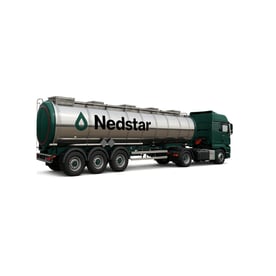
Our tank trucks are widely used worldwide to deliver bulk ethanol by road. They are a practical option for regional transport and efficient distribution.

Ethanol
Versatile high-purity alcohol used across fuel blending, chemical manufacturing, pharmaceuticals, personal care, and industrial solvent applications.
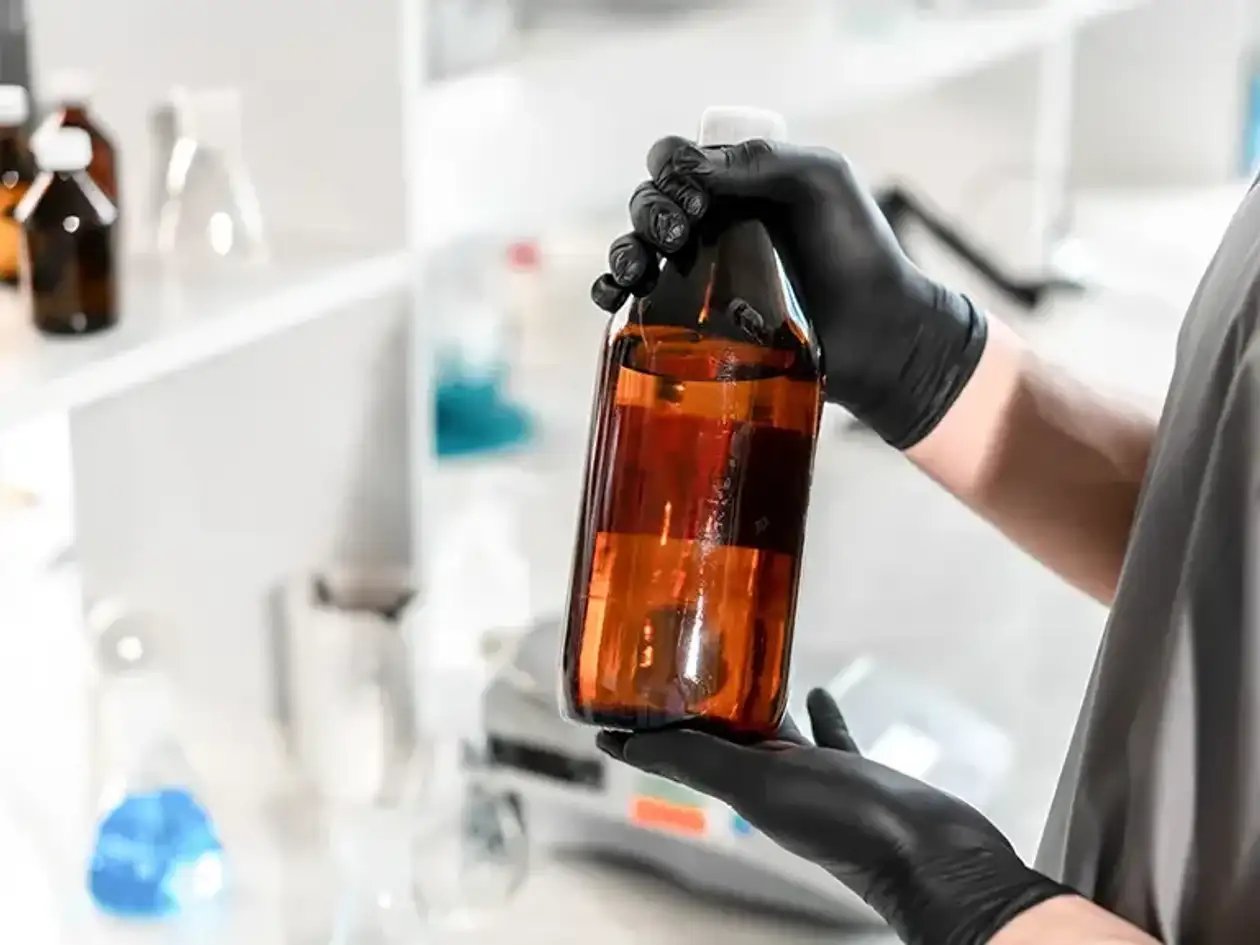
Denaturants
Denaturants help ethanol meet regulatory and excise requirements while preventing accidental consumption for non-beverage industrial and commercial applications.

Extra neutral alcohol (ENA)
Looking for high-purity ethanol? Nedstar offers extra neutral ethanol with a minimum of 96% alcohol per volume.