

Choosing the right raw material for food-grade ethanol can influence everything from production efficiency and purity to taste and the characteristics of the end product. Corn, wheat, rye, barley, and rice can all be used to produce high-quality ethanol, but each brings different properties to the production process.
For food and beverage manufacturers, the right choice depends on the intended application, required specifications, and sourcing priorities. In this guide, we compare the most common grains used for ethanol production and explain how to select the right feedstock for your products.
What is food-grade ethanol?
Food-grade ethanol is high-purity ethyl alcohol produced to meet quality and safety requirements for use in food and beverage applications. It can be made from food-based raw materials such as corn, wheat, rye, rice, sugar cane, and grapes through fermentation and distillation.
Unlike denatured alcohol, food-grade ethanol intended for human consumption does not contain denaturants added to make the alcohol unsuitable for consumption. Its purity, concentration, and impurity levels must meet the specifications required for its intended food use.
Food-grade ethanol is commonly used as a culinary solvent, extraction medium, carrier for flavours, and ingredient in food and beverage manufacturing. High-purity grain-based varieties may also be referred to as pure grain alcohol or neutral grain spirit, depending on their specifications and intended application.
How is food-grade ethanol produced?
The production process for food-grade ethanol generally involves preparing the raw material, fermentation, distillation, and further purification. Each stage helps manufacturers achieve the required alcohol concentration, purity, and quality for the intended food or beverage application.

Raw material preparation
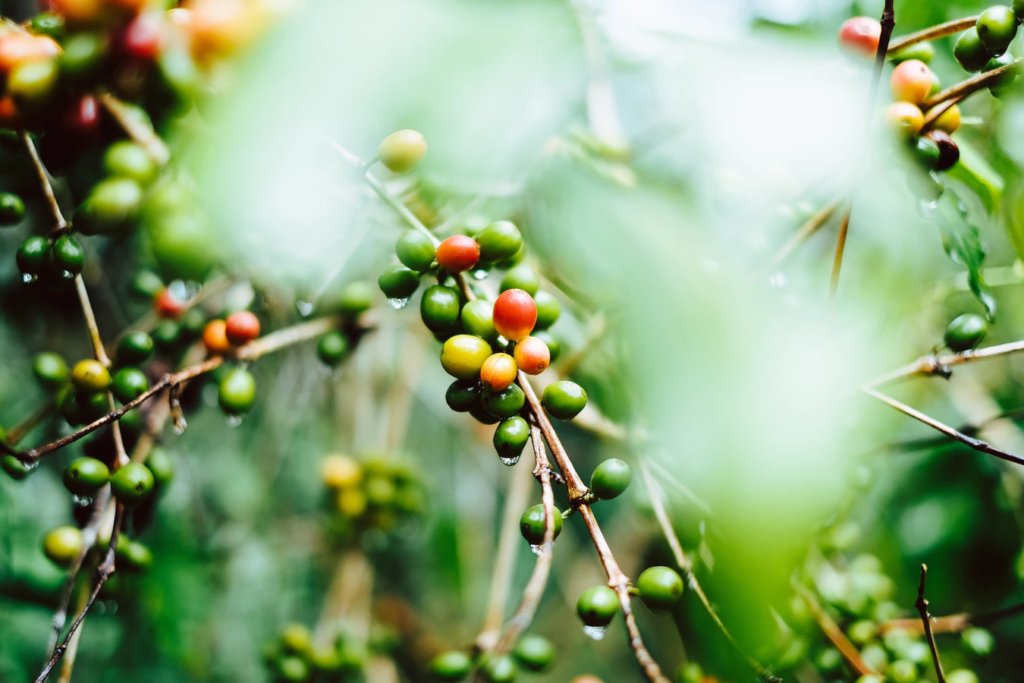
Production starts with a sugar- or starch-rich raw material such as corn, wheat, rye, rice, or sugar cane. For grains, the starch is broken down into fermentable sugars before fermentation can begin, while sugar-rich feedstocks require less conversion.

Fermentation process
During the fermentation process, yeast converts fermentable sugars into ethyl alcohol and carbon dioxide. The resulting mixture contains ethanol, water, and other fermentation compounds that must be separated during subsequent processing.

Distillation process
The distillation process separates and concentrates ethanol based on differences in volatility. Multiple distillation and rectification stages can be used to increase the alcohol concentration and remove unwanted compounds from the product.

Purification and quality control
Further purification can produce high-purity ethanol with the characteristics required for food manufacturing. The final product is tested for alcohol concentration, methanol, water content, and other impurities to confirm that it meets the required specifications for its intended use.
Which grains are used to make food-grade ethanol?
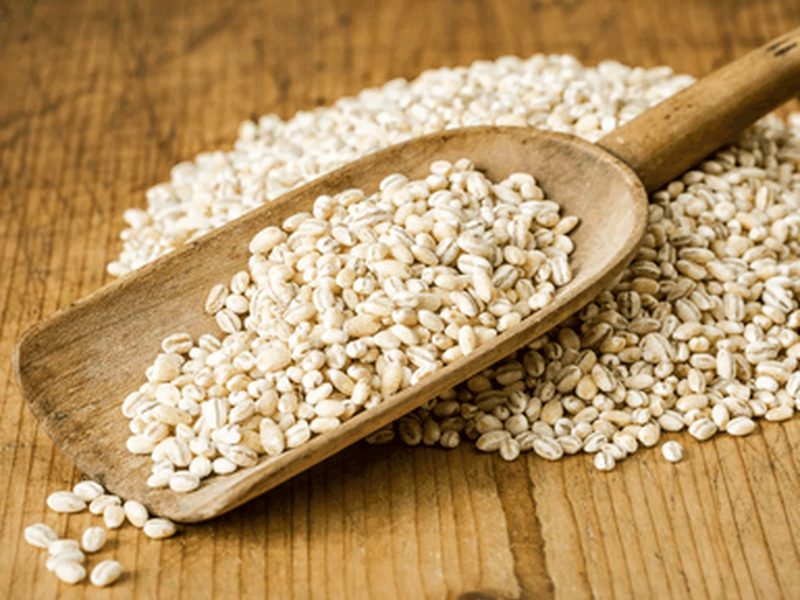
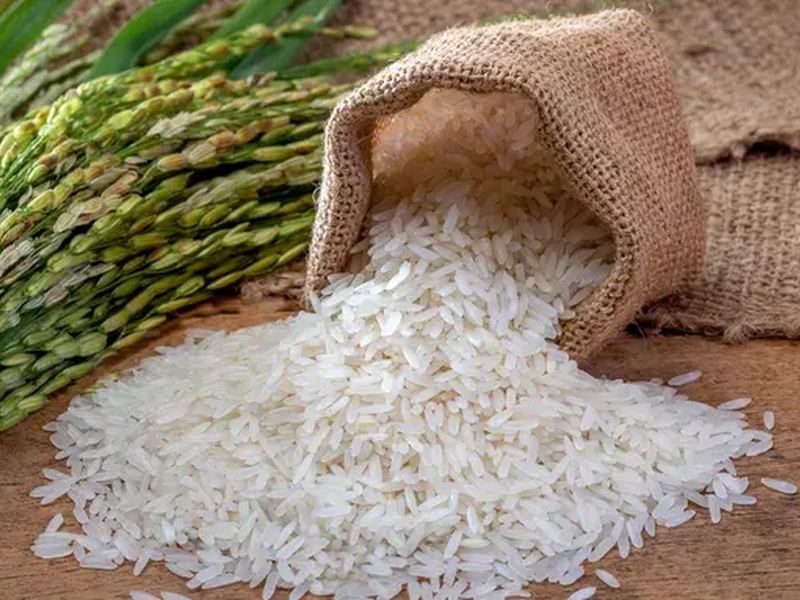
Several starch-rich grains can be used to produce food-grade ethanol, with the choice often depending on regional availability, production requirements, desired flavour profile, and end use. Corn, wheat, rye, barley, and rice are among the most common options for producing food-grade grain alcohol.
Corn
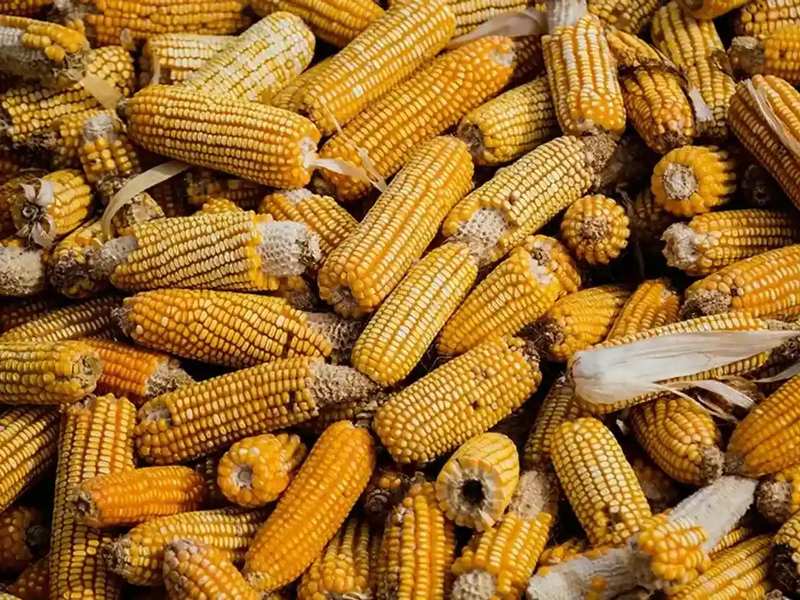
Corn has a high starch content and is widely used for ethanol production. Commonly used in North America, its biggest application lies in fuel ethanol, as well as bourbon and solvents for the pharmaceutical and personal care industries. Corn-based pure grain alcohol can provide a subtly sweeter character, making it suitable for spirits, flavour extracts, and other food and beverage applications.
Wheat
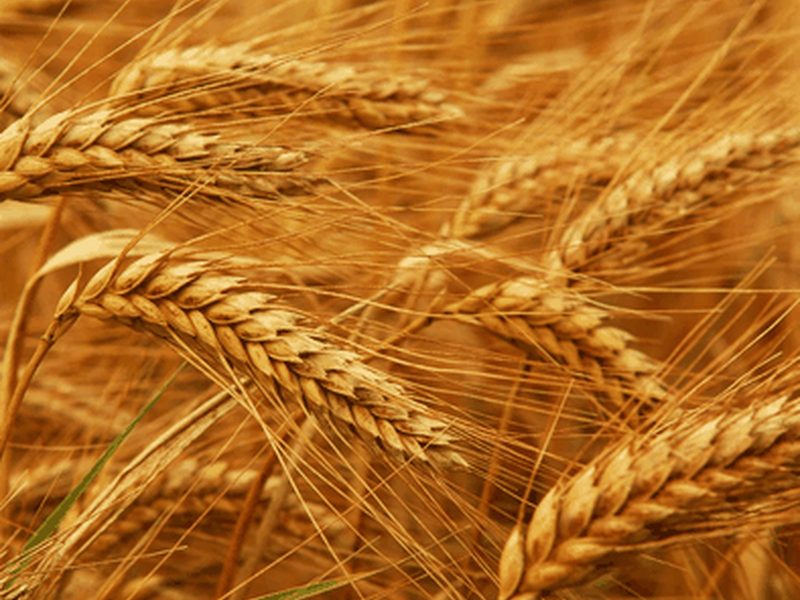
Wheat is commonly used to produce high-purity neutral grain spirit with a clean and relatively neutral taste. These characteristics make wheat-based ethanol suitable for vodka, gin, liqueurs, flavourings, and other products where a neutral alcohol base is preferred.
Rye
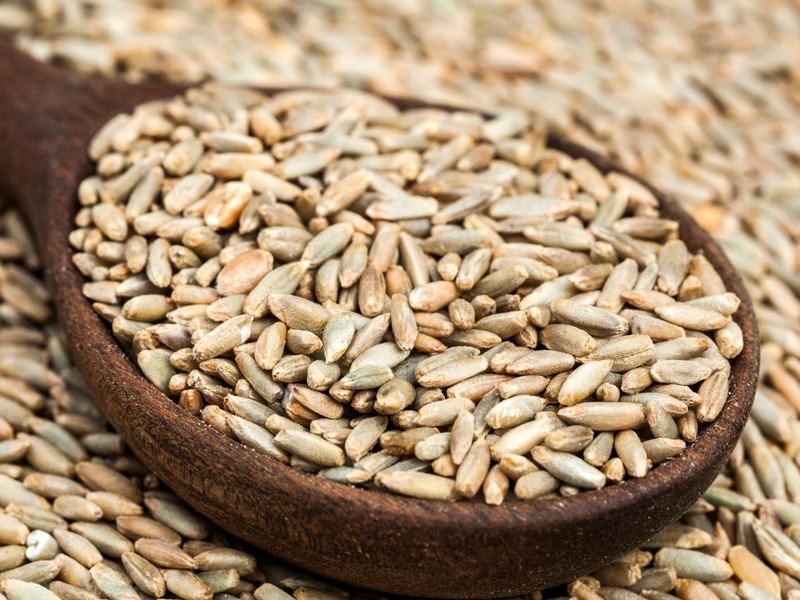
Rye can produce alcohol with a drier, more distinctive grain character than wheat or corn. It is particularly relevant to beverage production where manufacturers want some of the raw material's sensory characteristics to contribute to the end product..
How does grain choice affect food-grade ethanol?
The grain used to produce food-grade ethanol can influence its sensory profile, production efficiency, sourcing characteristics, and market positioning. However, the final properties also depend heavily on fermentation, distillation, purification, and the required ethanol grade.

Taste and sensory characteristics
Different grains can contribute subtle differences in taste and aroma. Corn may provide a slightly sweeter character, while rye can be more distinctive and wheat is often chosen for a cleaner, more neutral profile, particularly in beverage alcohol production.

Purity and concentration
The grain itself does not determine the final purity or alcohol concentration. Through careful distillation and rectification, manufacturers can produce high-purity ethanol and neutral grain spirit from different grains while reducing much of the original feedstock's flavour and aroma.

Production yield and efficiency
Starch content, grain quality, fermentation performance, and processing conditions can all influence ethanol yield and production efficiency. Regional availability and existing processing infrastructure can also determine which grain is the most practical choice for large-volume production.

Traceability and product positioning
Feedstock origin can be important for manufacturers that require specific traceability, sustainability, or certification standards. Choosing a particular grain can also support product positioning based on characteristics such as regional origin, organic production, non-GMO sourcing, or plant-based and vegan requirements.
Corn vs. wheat vs. rye vs. barley: Key differences
|
Raw material |
Main characteristics |
Typical flavour profile |
Food and beverage relevance |
|
High starch content and widely available, particularly in North America |
Mild and subtly sweet |
Common for neutral spirits, distilled beverages, flavour extracts, and food applications |
|
|
Well suited to producing high-purity neutral alcohol |
Clean, soft, and relatively neutral |
Popular for vodka, gin, liqueurs, flavourings, and food processing |
|
|
Produces alcohol with a more distinctive grain character |
Dry, crisp, and slightly spicy |
Often selected for spirits where a more noticeable grain character is desirable |
|
|
Established brewing and distilling grain with good fermentable potential |
Malty and grain-forward |
Widely associated with whisky, beer, distilled spirits, and other beverage applications |
|
|
Starch-rich grain capable of producing clean, refined alcohol |
Mild, delicate, and relatively neutral |
Suitable for spirits, traditional rice-based beverages, flavourings, and food applications |
What is food-grade alcohol used for?
Food and flavour extraction
- Extracting natural flavours and aromas from herbs, spices, fruits, and other food ingredients.
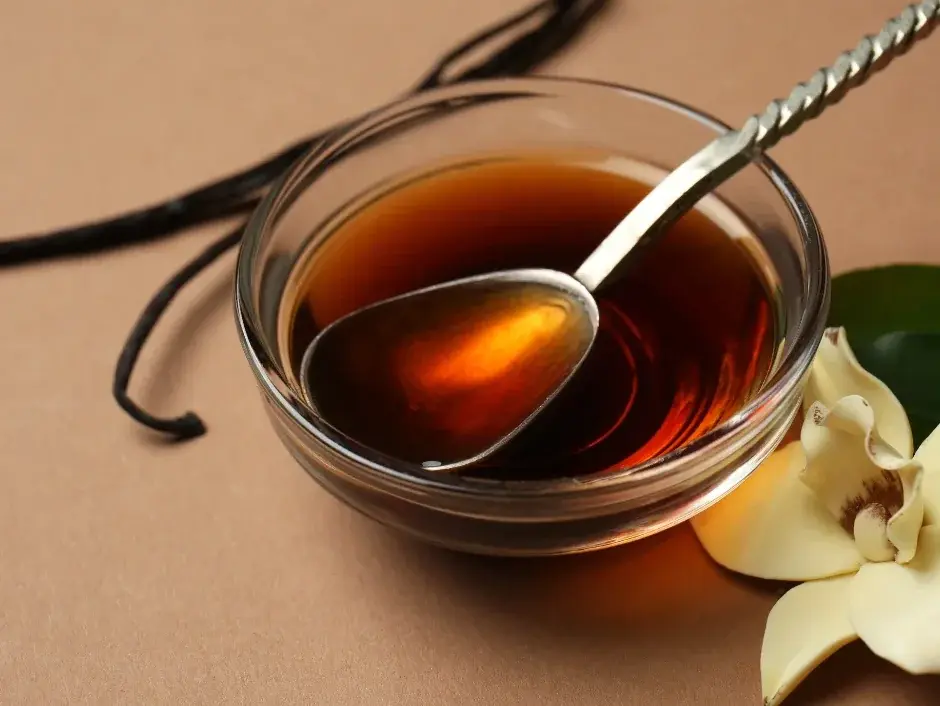
- Producing vanilla, botanical, and other concentrated flavour extracts.
- Acting as a culinary solvent where both water- and alcohol-soluble compounds need to be extracted.
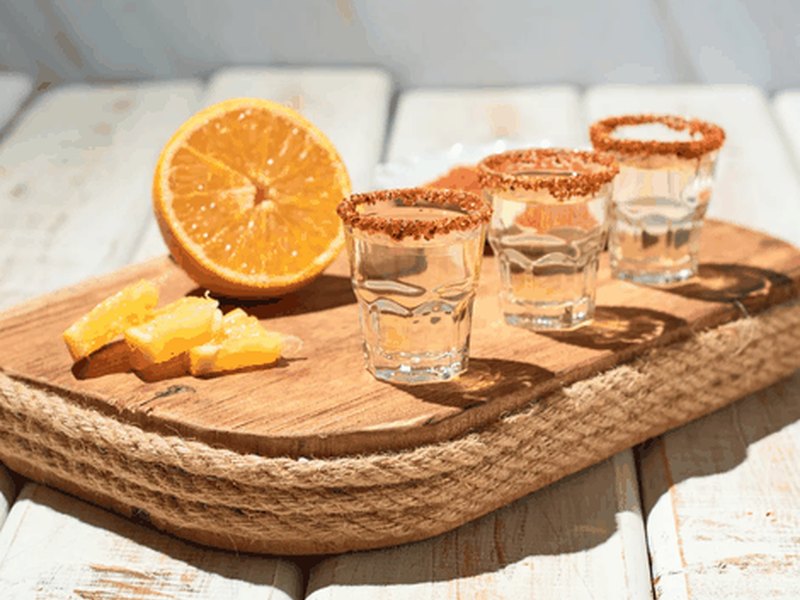
Food and beverage manufacturing
- Producing alcoholic beverages, including spirits, liqueurs, and flavoured drinks.
- Carrying and blending flavours, colours, and other ingredients in food formulations.
- Supporting food processing applications where high-purity ethyl alcohol is required.

Herbal extracts and tinctures
- Extracting active and aromatic compounds from herbs and other plant materials.
- Producing herbal extracts, botanical preparations, and cannabis tinctures where permitted by applicable regulations.
- Acting as an extraction solvent and carrier in natural product formulations.

Pharmaceutical and personal care applications
- Serving as a solvent or processing aid in certain pharmaceutical formulations.
- Carrying fragrances and other ingredients in perfumes, cosmetics, and personal care products.
- Supporting extraction and formulation processes where controlled ethanol purity and concentration are required.
Grain ethanol vs. ethanol from other feedstocks
Grains are not the only raw materials used to produce food-grade ethanol. Sugar-rich crops and fruits can also provide fermentable sugars, with the choice of feedstock influencing the production process, sourcing requirements, and characteristics of the final alcohol.
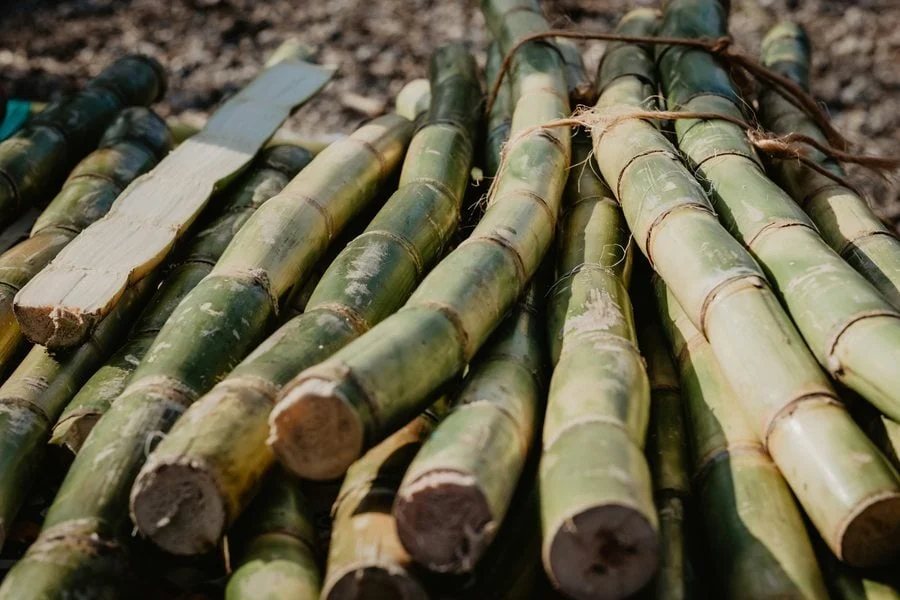
Sugar cane ethanol
Sugar cane contains readily fermentable sugars, so it does not require the same starch-conversion stage as corn, wheat, or other grains. Sugar cane ethanol can be refined to a high purity and used across food, beverage, pharmaceutical, cosmetic, and other applications.
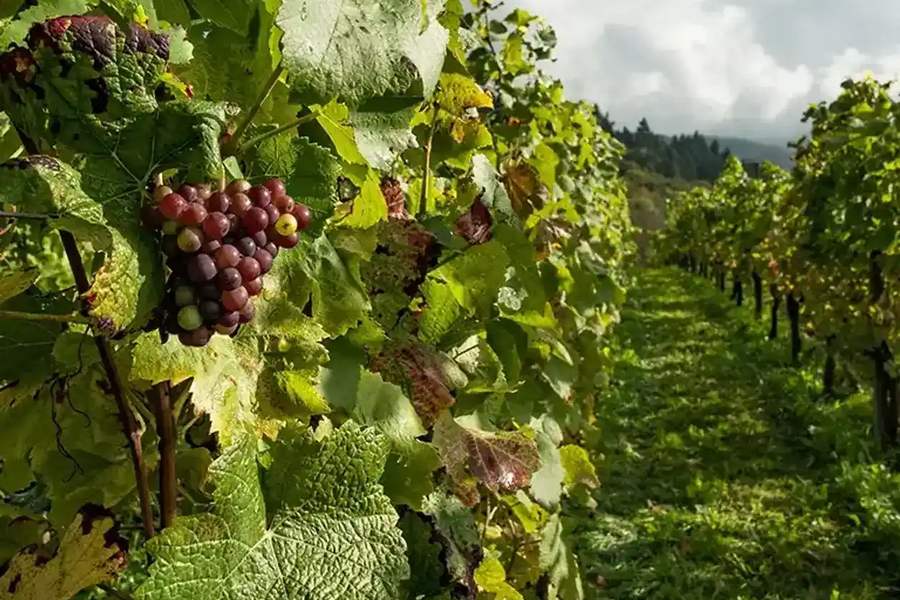
Grape and fruit-based ethanol
Grapes and other sugar-rich fruits can produce ethanol through the alcoholic fermentation process, followed by distillation and purification. Fruit-derived ethanol is particularly relevant to beverage production and applications where the origin and natural characteristics of the raw material are important.
Food grade ethyl alcohol vs. beverage alcohol
Food grade ethanol is produced to meet purity and quality specifications for use in food processing, flavour extraction, and other permitted food applications. It is typically undenatured, meaning no denaturants have been added to make it unsuitable for consumption, and it may be supplied at high alcohol concentrations for further processing.
Beverage alcohol, by contrast, is specifically produced and regulated for use in alcoholic drinks intended for direct consumption. While both can contain high-purity ethyl alcohol, their specifications, alcohol concentration, regulatory requirements, and intended uses can differ considerably.
Food grade ethanol vs. denatured alcohol
Food grade ethanol is produced to meet purity and safety specifications for permitted food applications and does not contain denaturants that make it unsuitable for consumption.
Denatured alcohol contains added chemicals (sometimes toxic additives), such as denatonium benzoate, to discourage consumption. Industrial ethanol is intended for technical and manufacturing applications and should not be substituted for food grade ethanol unless it meets the required food-grade specifications.
FCC grade alcohol vs. USP grade alcohol
FCC grade alcohol meets specifications established by the Food Chemicals Codex for ingredients used in food applications. It is relevant to manufacturers that require ethanol meeting defined identity, purity, and quality criteria for food processing.
USP grade ethanol meets specifications established by the United States Pharmacopeia and is primarily associated with pharmaceutical and healthcare applications. The appropriate grade depends on the end product, regulatory requirements, and required quality specifications.
Key considerations when sourcing food-grade ethanol
Purity and impurities
Check the required ethanol concentration, impurity limits, and product specifications for your application. Food-grade ethanol should meet relevant quality requirements and be free from denaturants that would make it unsuitable for food use.
Feedstock and certification requirements
Consider whether your product requires a specific feedstock, origin, or certification, such as organic or non-GMO options. Reliable traceability can also help manufacturers meet internal quality and sourcing requirements.
Safety and storage
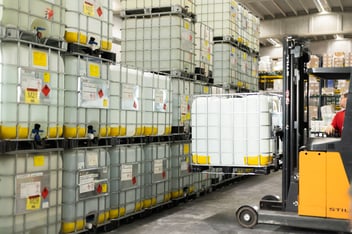
Ethanol is a highly flammable and volatile substance, so appropriate storage, ventilation, and ignition controls are essential. Always follow the supplier's Safety Data Sheet (SDS) and applicable regulations.
Volume, packaging, and logistics
Choose a supplier that can accommodate the required volume, packaging format, and delivery schedule. For bulk buyers, reliable logistics and consistent availability are particularly important for maintaining uninterrupted production.