
The global spirits industry is entering 2026 shaped by cautious optimism, shifting consumer priorities and a continued focus on quality over quantity. While overall alcohol consumption remains under pressure in many markets, spirits continue to evolve through innovation, premium value propositions and changing drinking behaviours.
From conscious consumption and ready-to-drink formats to sustainability and regional spirits, 2026 is less about excess and more about intention. Below, we explore the key spirits trends defining the year ahead and what they mean for producers, brand owners and buyers.
Conscious drinking becomes a permanent shift
Conscious drinking is no longer a niche movement. In 2026, moderation, lower alcohol options and mindful consumption are firmly embedded across generations.
Consumers are increasingly choosing when and how they drink, favouring fewer occasions but better quality experiences. This shift is not limited to younger audiences. It spans professionals, premium spirit drinkers and hospitality consumers who want balance without compromising on flavour or ritual.
For the spirits industry, this means continued demand for low alcohol, mid-strength and no alcohol alternatives, as well as transparency around ingredients, sourcing and production methods.

Premium value replaces pure premiumisation
Premiumisation continues, but with a clear adjustment. Rather than chasing the highest price point, consumers are looking for premium value.
In 2026, premium value spirits deliver quality, consistency and a compelling story without feeling out of reach. Economic pressure and cautious spending habits mean buyers are more selective, but still willing to invest in products that feel worth it.
This trend is particularly relevant for spirits used in cocktails, private labels and hospitality, where quality must align with margin and scalability.
RTDs and cans move further into the spirits category
Ready-to-drink formats and canned cocktails continue their steady growth in 2026. Convenience, portability and recyclability are driving adoption across retail and on-trade channels.
Cans are no longer seen as informal or low-end. They are increasingly associated with premium cocktails, controlled serves and lifestyle-driven consumption. Spirit-based RTDs allow brands to reach new moments and audiences without relying on traditional bar settings.
For suppliers and producers, this opens opportunities around bulk supply, formulation and consistent quality at scale.

Cocktail culture focuses on experience and timing
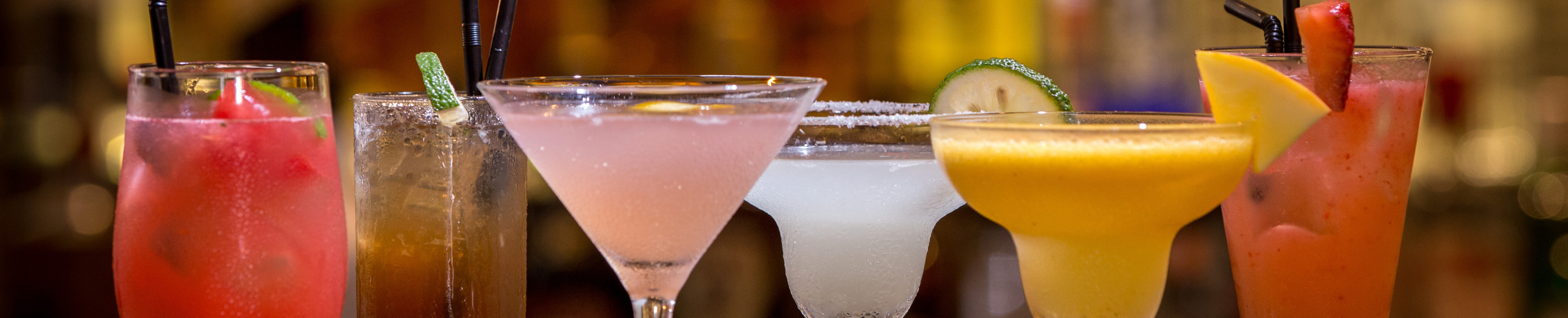
Cocktail culture in 2026 is less about complexity for its own sake and more about experience, timing and intention.
Daytime and early evening serves, often referred to as day caps, are becoming more popular, alongside social rituals that emphasise connection rather than consumption volume. Bartenders and brands are focusing on texture, temperature, storytelling and presentation to elevate the drinking moment.
Spirits that perform well in balanced, approachable cocktails are gaining traction, particularly those that align with conscious drinking and premium value expectations.
Zero-proof and low alcohol innovation accelerates
No alcohol and zero-proof spirits continue to mature as a category in 2026. What was once experimental is now expected to deliver complexity, mouthfeel and authenticity.
Innovation is moving beyond imitation towards distinctive flavour profiles that stand on their own. Zero-proof options are increasingly integrated into menus rather than separated, reflecting changing consumer expectations.
This trend reinforces the importance of flexibility in spirit supply, production methods and formulation expertise.

Heritage, regional and emerging spirits gain space
Alongside established categories, interest in regional and heritage spirits continues to grow. Consumers are exploring beyond familiar names, drawn to authentic production methods, cultural heritage and unique flavour profiles.
Agave-based spirits, regional sugarcane distillates and lesser known botanical spirits are gaining space in cocktail menus and specialist retail. This trend supports diversity within the spirits market and offers opportunities for differentiated sourcing and storytelling.
Sustainability and packaging innovation matter more than ever
Sustainability remains a decisive factor in 2026, particularly when combined with transparency and measurable impact. Packaging innovation, lighter materials and alternative formats are becoming more common as brands respond to environmental concerns.
Consumers are increasingly critical of vague sustainability claims. Clear data, responsible sourcing and practical solutions are what resonate. For the spirits industry, sustainability is no longer a marketing angle but an operational expectation.
In the spotlight for 2026
In 2026, certain spirits and flavour profiles are drawing particular attention from drinkers, bars, and brands around the world. Agave-based spirits, led by tequila and mezcal, continue to shine as consumers and bartenders explore richer flavour profiles and regional expressions beyond the classic mainstream categories. Agave spirits aren’t just for margaritas anymore; they are evolving into smoky mezcal serves and artisanal raicilla and sotol options that highlight terroir and tradition.
Rum is also experiencing renewed interest, with both funkier unaged styles for complex cocktails and aged expressions growing as premium sipping options, showing that classic categories can find fresh footing in evolving palettes.
Additionally, traditional spirits such as whisky and Scotch remain staples, especially premium and single malt expressions, supported by global recognition and rising demand in key markets.
Explore Nedstar’s bulk spirits offering and discover how we support producers, bottlers and brand owners with consistent quality, flexible sourcing and global reach.
What this means for the spirits industry in 2026
The spirits market in 2026 is not contracting, but recalibrating. Growth is driven by intention, innovation and relevance rather than volume alone.
Brands, producers and buyers who succeed are those who understand evolving consumption patterns, invest in quality and remain flexible in formats, alcohol levels and applications.
For companies operating across supply, production and trade, staying close to these shifts will be essential to remain competitive and relevant.