

In the global trading of raw materials, the choice between extra neutral alcohol (ENA) and anhydrous ethanol is not just a technicality. It is the difference between a perfect product and a costly batch failure. But what is the difference between anhydrous ethanol and extra neutral alcohol? Read our full breakdown of ENA vs anhydrous ethanol in this blog post.
What is extra neutral alcohol?
Extra neutral alcohol, also known as ENA, is a high-purity ethanol containing at least 96% alcohol by volume (ABV). The final liquid of neutral alcohol is clear, colourless, and free from any secondary smells or tastes that could interfere with your final product.
Extra neutral alcohol is derived from raw materials such as sugarcane, molasses, and grains like corn, rye, wheat, barley and rice. It is a commonly used food-grade alcohol. Denatured ethanol is popular in industrial/pharma processing.
What is extra neutral alcohol used for

Food and beverage industry
For manufacturers, ENA also offers a reliable and consistent ingredient profile that supports stringent quality standards. Its high purity makes it suitable for premium formulations where performance, stability, and regulatory compliance are essential. This makes ENA a trusted ingredient across fragrance, skincare, personal care, and hygiene applications.
Cosmetics
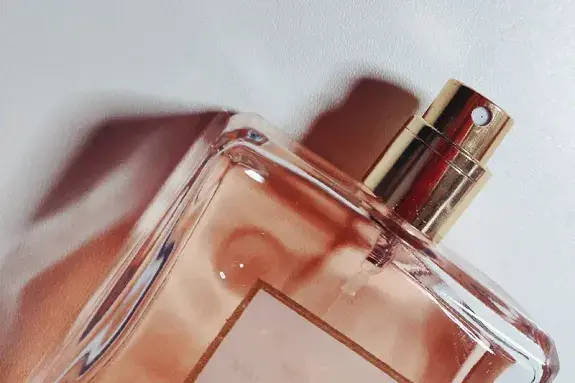
For the cosmetics industry, especially in the production of high-end perfumes, ENA is indispensable. The absence of a scent allows delicate fragrance notes to remain true to their original formula. You will also find it in various personal care products, such as non-greasy lotions and hand sanitisers, where it acts as a carrier that evaporates cleanly, leaving no residue on the skin.
Pharmaceuticals
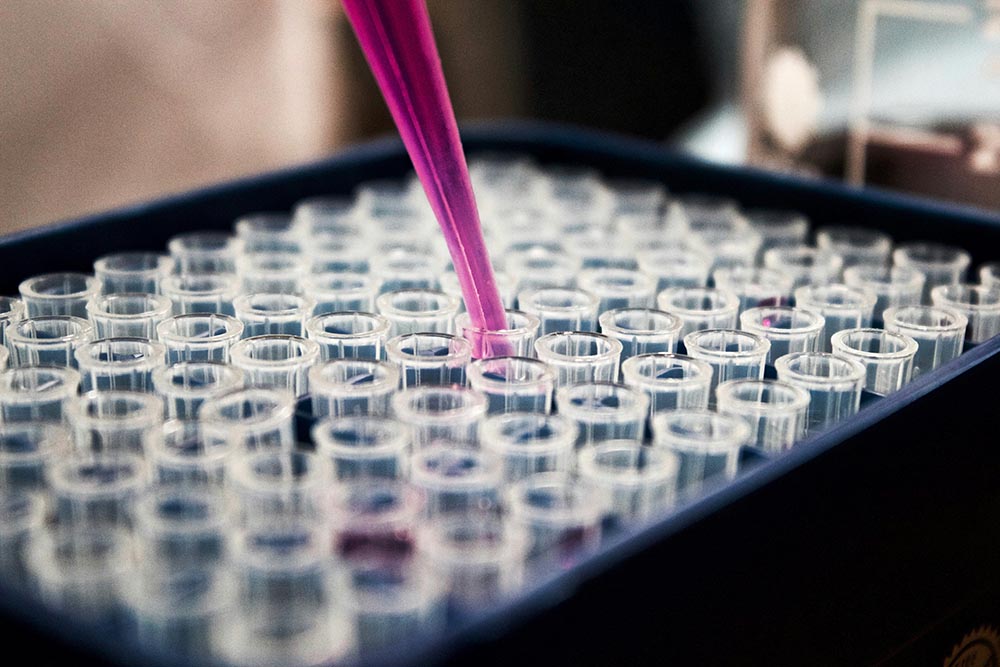
In pharmaceutical manufacturing, ENA is commonly used as an excipient or a solvent to dissolve active ingredients. Its high purity level ensures it meets the rigorous standards of global pharmacopoeias. It is also vital in the manufacture of medical ingredients.
Industrial products
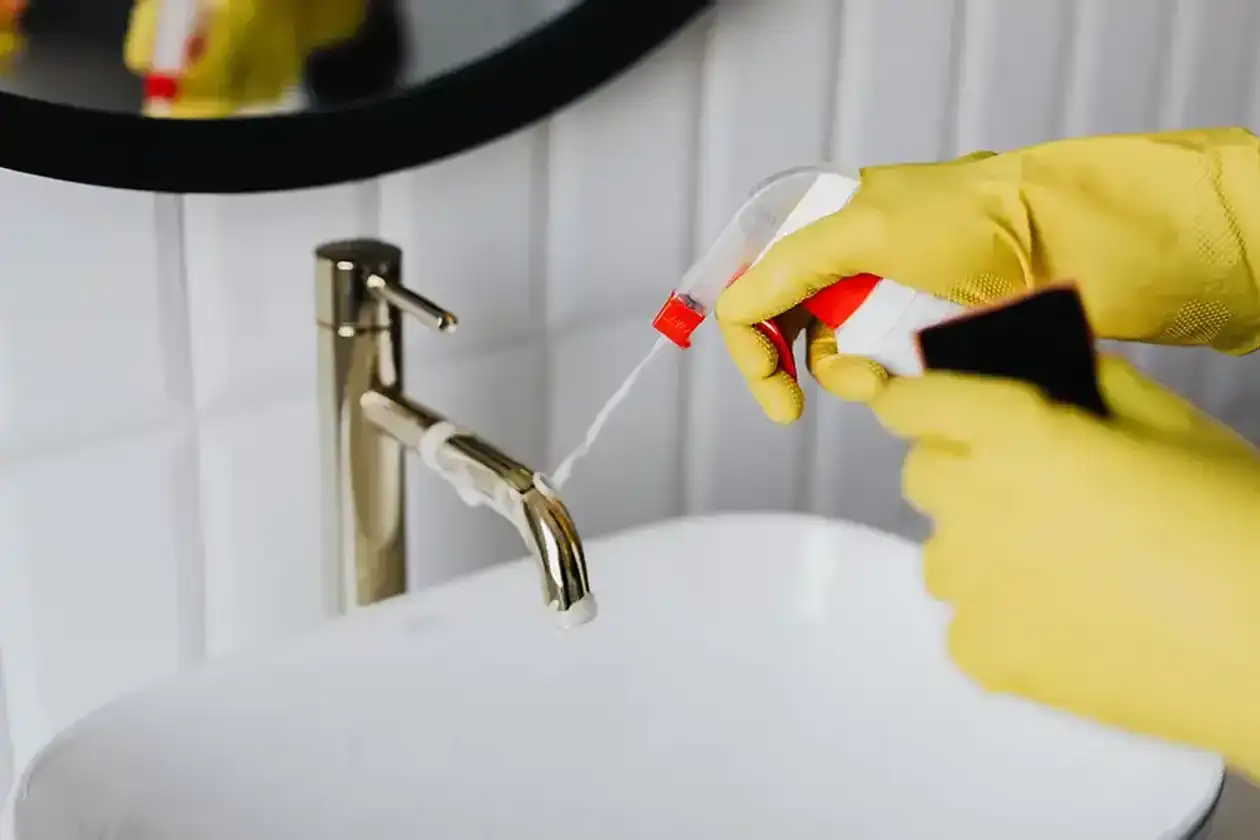
Beyond labs and kitchens, ENA is used in specialised industrial cleaning and disinfectant solutions. It’s used, for example, in washer fluids, as a solvent in paints, and in disinfectants. When you need a high-quality finish for sensitive equipment, ENA's purity ensures residue-free evaporation.
What are the pros and cons of extra neutral alcohol?
When deciding if extra neutral alcohol is suitable for your processes, consider the pros and cons of it.
Pros
Cons
Is extra neutral alcohol safe?
Extra neutral alcohol is safe when handled according to its hazard class (flammable liquid). Always refer to the safety data sheet regarding inhalation risks and fire safety, as it is a highly volatile liquid.
.png)
What is anhydrous ethanol?
Anhydrous ethanol is a high-grade alcohol that has had virtually all water removed, typically reaching a purity of 99.5% or higher, with very low water content (≤0.5%).
Anhydrous literally means ‘containing no water’. It is also known under the names absolute alcohol, 200 proof ethanol, or 99 ethanol alcohol.
Read more: Anhydrous alcohol's growing role in diverse industries
Is anhydrous ethanol 100% ethanol?
Technically, absolute alcohol is as close to 100% as industrially possible, but it is rarely a perfect 100.00%. This is because anhydrous ethanol readily absorbs water from the air as soon as the container is opened. Even the highest-grade water-free ethanol will pull moisture from the atmosphere until it reaches a stable equilibrium.
What is anhydrous ethanol used for?
In many industrial applications, even a small amount of water can ruin a mixture or cause a dangerous reaction. This is where anhydrous ethanol becomes essential for ensuring reliable performance.
Electronics industry
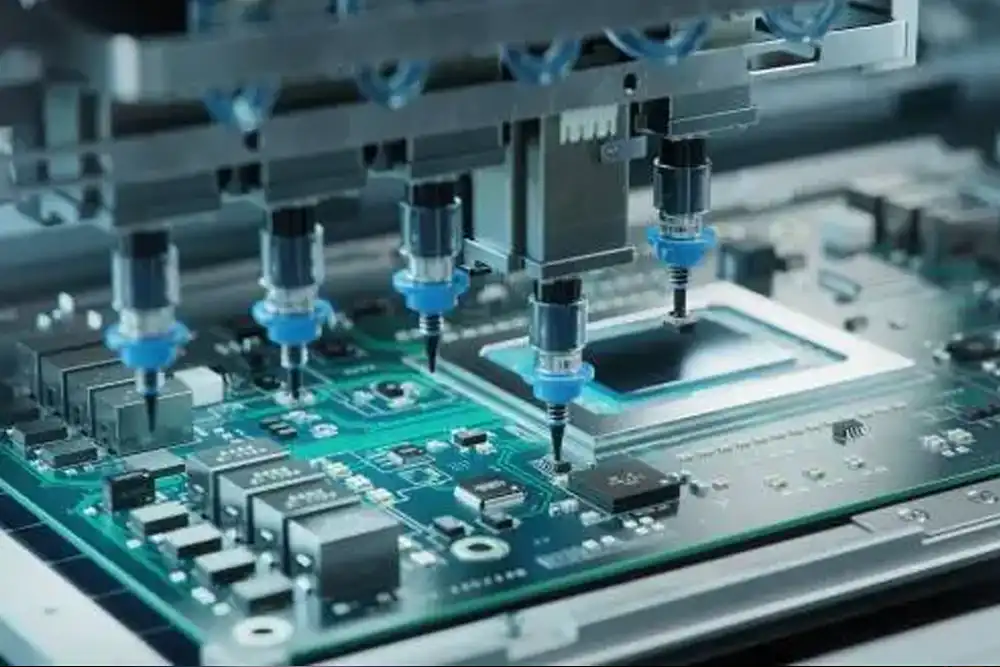
You cannot use water-based cleaners on delicate circuitry. Anhydrous ethanol is the preferred solvent for cleaning electronic components because it evaporates rapidly and, being water-free ethanol, because it evaporates rapidly and, due to its low water content, reduces the risk of moisture-related damage to sensitive components.
Fuel and energy
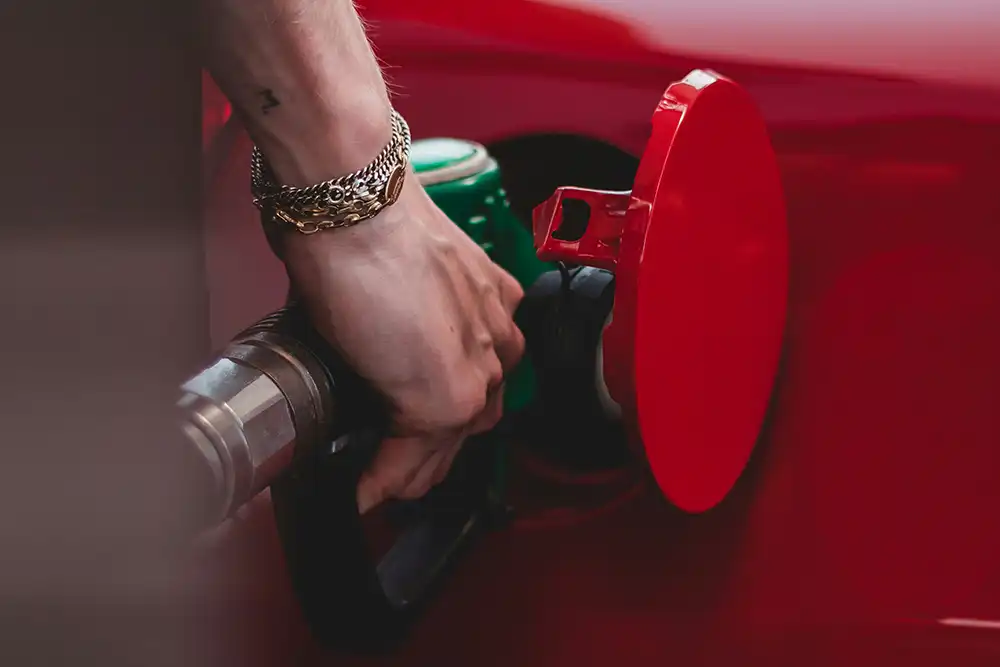
In the fuel industry, anhydrous ethanol is often blended with gasoline to improve combustion efficiency. If water is present, it can cause ‘phase separation,’ in which water and ethanol sink to the bottom of the tank, potentially damaging vehicle engines.

Lacquer
For the production of lacquers, paints, inks and coatings, anhydrous ethanol acts as a powerful solvent. Because it lacks water, the coating dries to a smooth, hard finish without the cloudiness or ‘blushing’ that moisture can cause during evaporation.
Pharmaceuticals
In the pharmaceutical sector, anhydrous ethanol is used in the manufacture of medicines, sanitising agents, and personal care products. It also serves as a solvent in formulations.
Cosmetics and personal care
While anhydrous ethanol is common in perfumes, it is also used to dissolve ingredients and to provide a light, non-greasy, fast-drying effect in products like perfumes, deodorants, and hand sanitisers.
Cleaning and disinfection
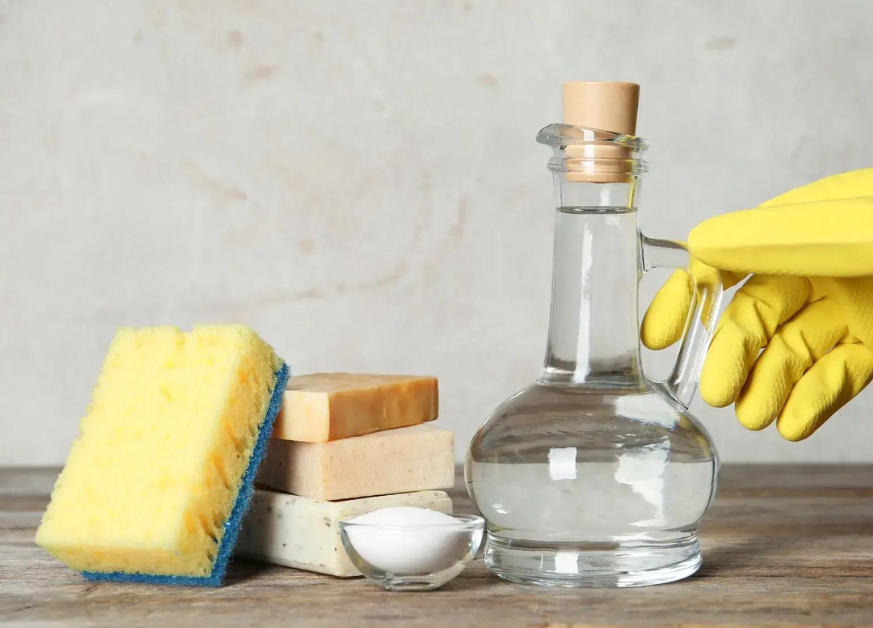
Anhydrous ethanol serves as a powerful antiseptic and disinfectant, capable of killing bacteria, fungi, and viruses. Consequently, it is utilised in industrial cleaning solutions and surface disinfectants, particularly in environments like laboratories.
What are the pros and cons of anhydrous ethanol?
Consider the advantages and disadvantages of anhydrous ethanol to determine its suitability for your processes.
The pros of anhydrous ethanol
The cons of anhydrous ethanol
Is anhydrous ethanol safe?
Like all concentrated chemicals, anhydrous ethanol carries risks. It is a high-risk hazard class due to its flammability. Furthermore, many industrial anhydrous grades are denatured, so they are strictly not for human consumption.
What is the difference between anhydrous ethanol and extra neutral alcohol?
The primary difference between anhydrous ethanol and extra neutral alcohol lies in their water content and the method used to produce them.
|
Feature |
Extra neutral alcohol |
Anhydrous ethanol |
|
Ethanol concentration |
95% - 96% |
99.5% - 99.9% |
|
Water content |
~4% |
0.5% or fewer |
|
Primary benefit |
Organoleptic neutrality |
No moisture interference |
|
Typical use |
Food and beverages, cosmetics, pharmaceuticals and industrial products |
Electronics, fuel, lacquers, pharmaceuticals, cosmetics, Cleaning and disinfection |
Choose Nedstar as your sourcing partner for ethanol solutions
Navigating the differences between anhydrous ethanol and extra neutral alcohol requires a partner who understands your needs. Nedstar understands the nuances of feedstock, purity levels, and global logistics. Our sustainable and transparent sourcing practices mean you receive high-purity products without compromising your environmental goals.
Ready to elevate your supply chain with certifiable high-purity ethanol? Contact Nedstar’s product specialists today to discuss your industrial or pharmaceutical requirements and receive a tailored quote.