

-2.png?width=938&height=190&name=Website%20banners%20(3)-2.png)
Anhydrous alcohol, denatured alcohol, and isopropyl alcohol are widely used across industrial, pharmaceutical, cosmetic, and cleaning applications. While they may perform similar functions in some processes, their chemical composition, purity, and suitability can differ considerably.
Understanding these differences is important when selecting alcohol for manufacturing or formulation. This guide compares their properties, benefits, limitations, and common industrial uses to help businesses choose the appropriate solution.
What is anhydrous alcohol?
Anhydrous alcohol is pure ethanol from which almost all water has been removed. Typically containing at least 99.5% ethanol, it is sometimes referred to as absolute alcohol or absolute ethanol.
Unlike normal ethanol-water mixtures, anhydrous ethanol has a very low water content. This makes it particularly useful when moisture could interfere with chemical reactions, formulations, or industrial processes.
What is anhydrous alcohol used for?
As a high-purity anhydrous alcohol solvent, it is used where low water content and consistent purity are important.
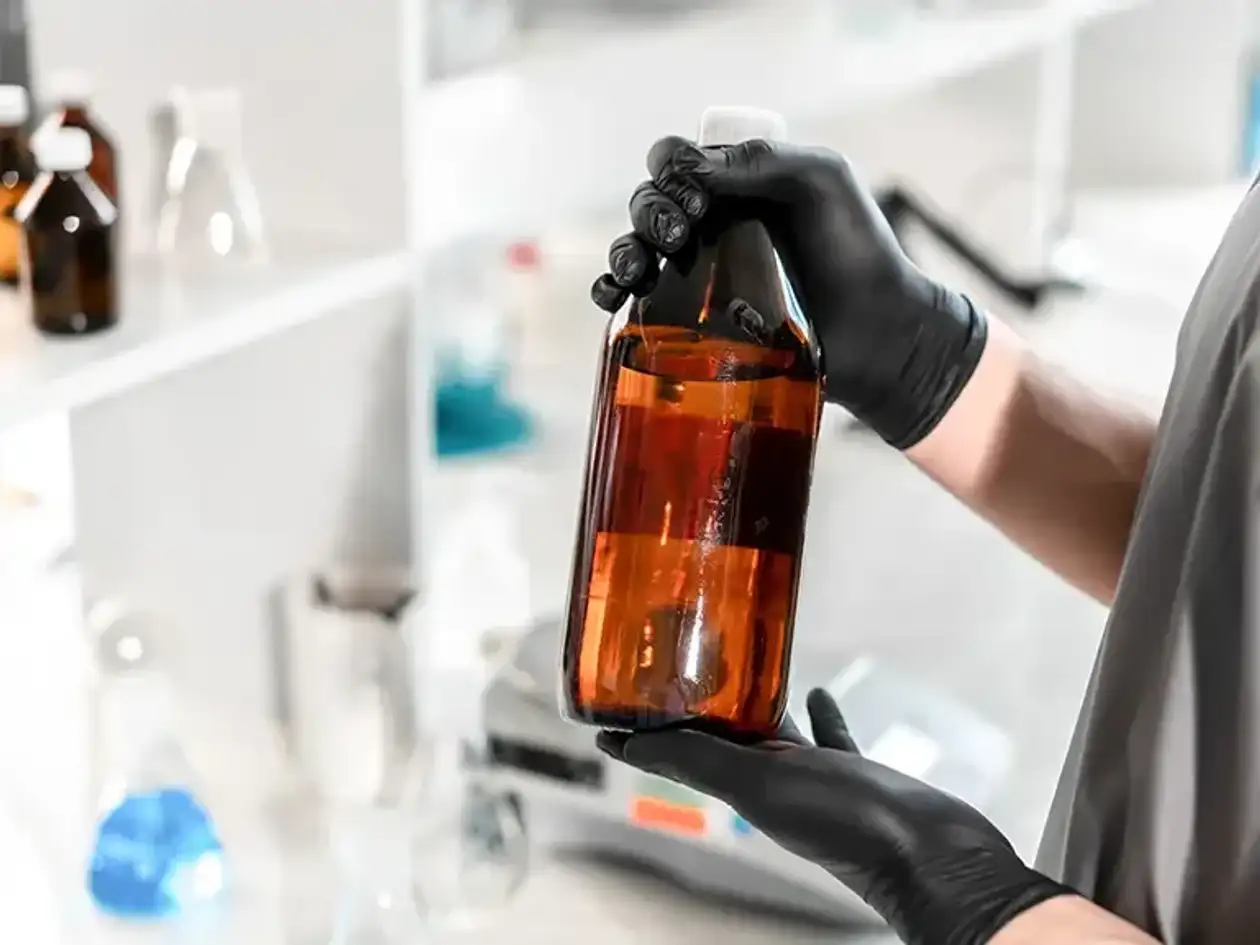
Chemical synthesis and industrial processing
As a high-purity anhydrous alcohol solvent, anhydrous alcohol is widely used as a solvent and processing aid in chemical manufacturing. Its low water content makes it particularly suitable for moisture-sensitive chemical reactions and industrial formulations.
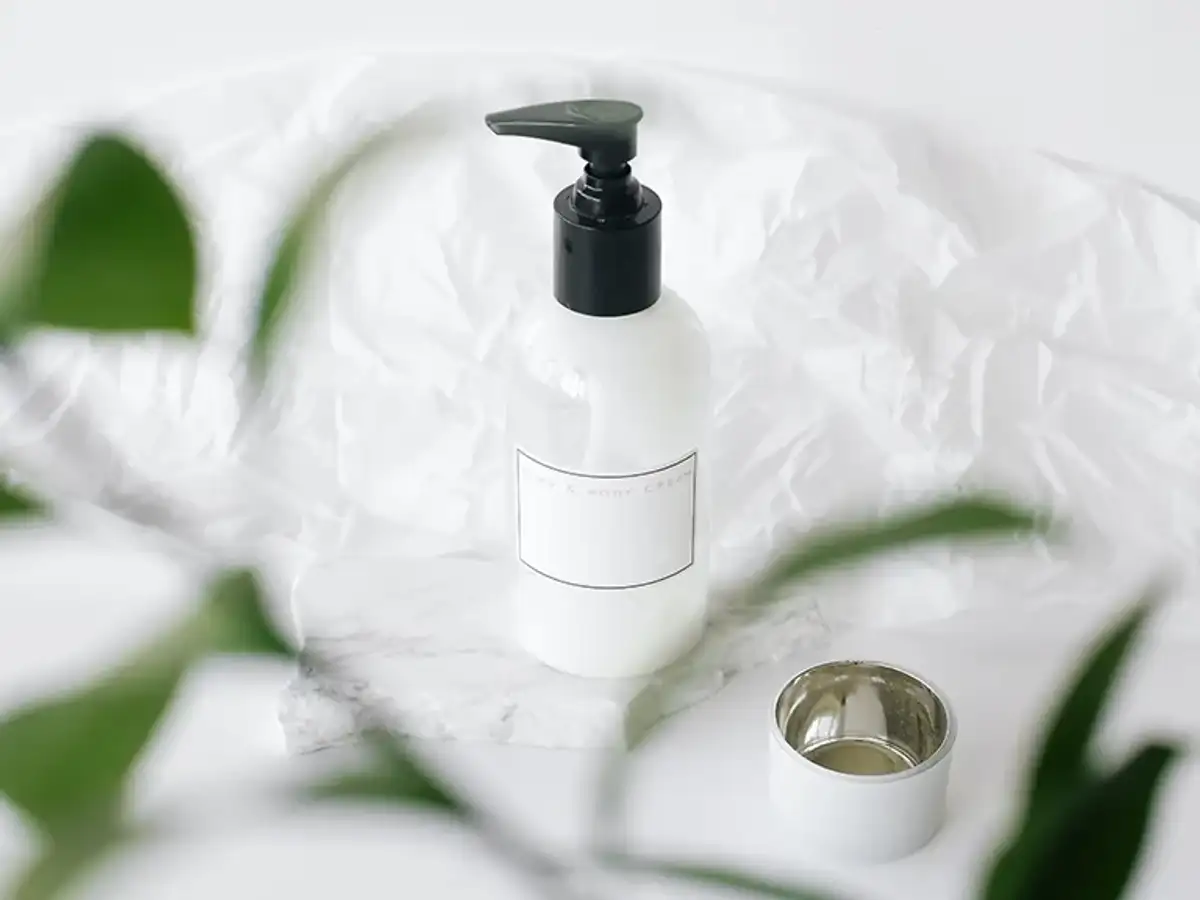
Pharmaceutical and cosmetic applications
High-purity ethanol can serve as a solvent, carrier, or processing ingredient in pharmaceuticals and cosmetic products, provided the appropriate grade is used. It can also support extraction and formulation processes where consistent purity is important.
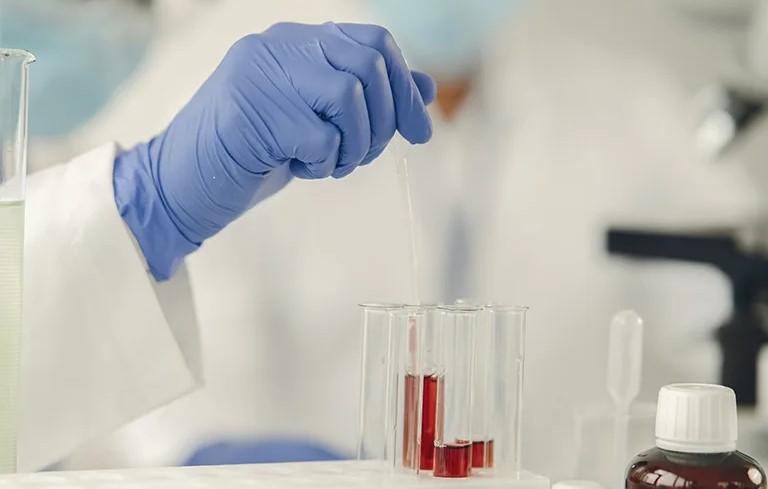
Laboratory and research applications
Research labs use anhydrous alcohol as a solvent, reagent, and preparation medium. Its high purity is valuable in analytical and laboratory processes where water could interfere with testing or experimental results.
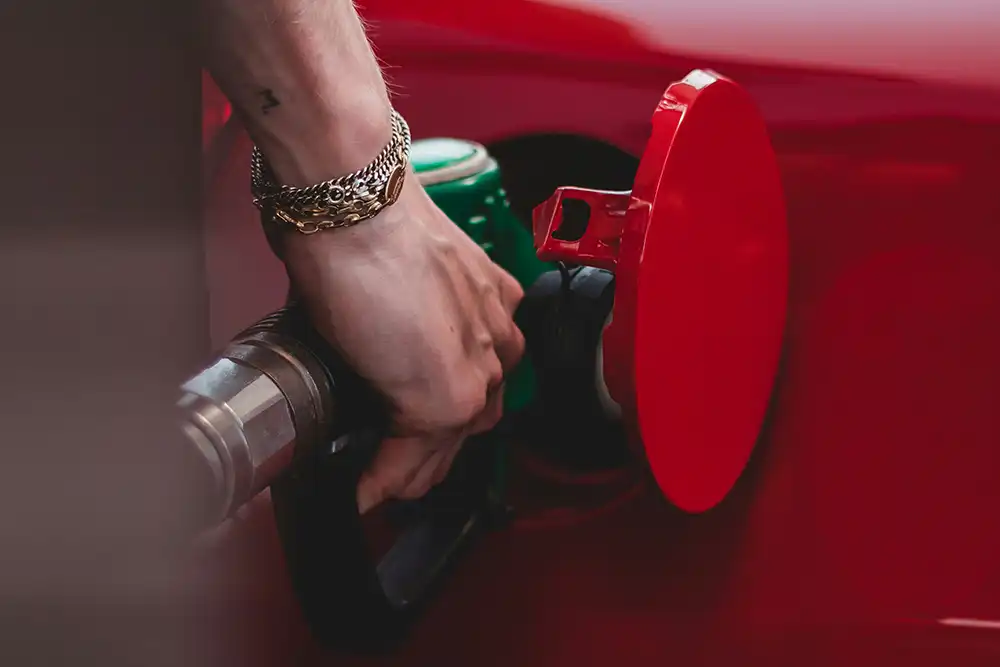
Fuel and technical applications
Anhydrous ethanol is widely used in fuel and biofuel production because its low water content makes it suitable for blending with petrol. It is also used for electronics cleaning and other technical applications requiring a fast-evaporating, low-moisture solvent.
What are the pros and cons of anhydrous alcohol?
Anhydrous alcohol offers high purity and minimal water content, but these properties also come with specific handling and sourcing considerations.
Pros
Cons
What is denatured alcohol?
So, what is denatured alcohol? Denatured alcohol is ethanol that has been intentionally treated with additives to make it unsuitable for human consumption. The process is known as denaturation and allows ethanol to retain many of its useful solvent properties without being sold as drinking alcohol.
Depending on the formulation and applicable regulations, additives may include substances such as denatonium benzoate, isopropyl alcohol, methanol, ethyl acetate, or other ingredients. Because compositions vary, denatured ethanol should always be selected according to the intended application and relevant regulatory requirements.
Denatured alcohol is also commonly known as methylated spirits in some markets. However, the exact composition of methylated spirits can differ between countries and products.
What is denatured alcohol used for?
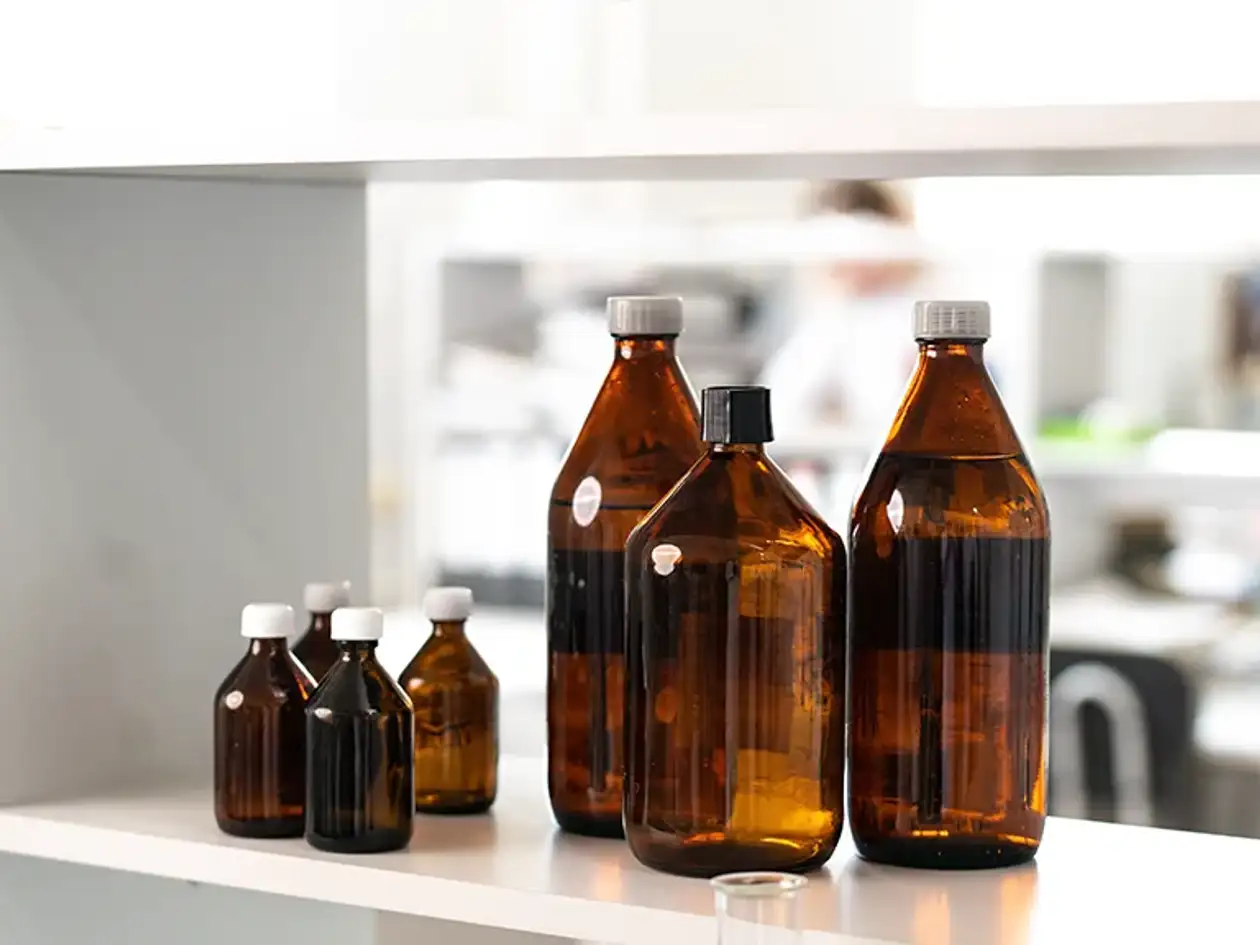
Industrial manufacturing and solvents
Because it is non-consumable, denatured alcohol is widely used as an industrial alcohol in paints, coatings, varnishes, inks, and other formulations. Its volatility makes it one of the best solvents for industrial extraction and thinning, dissolving ingredients, and supporting various manufacturing processes.
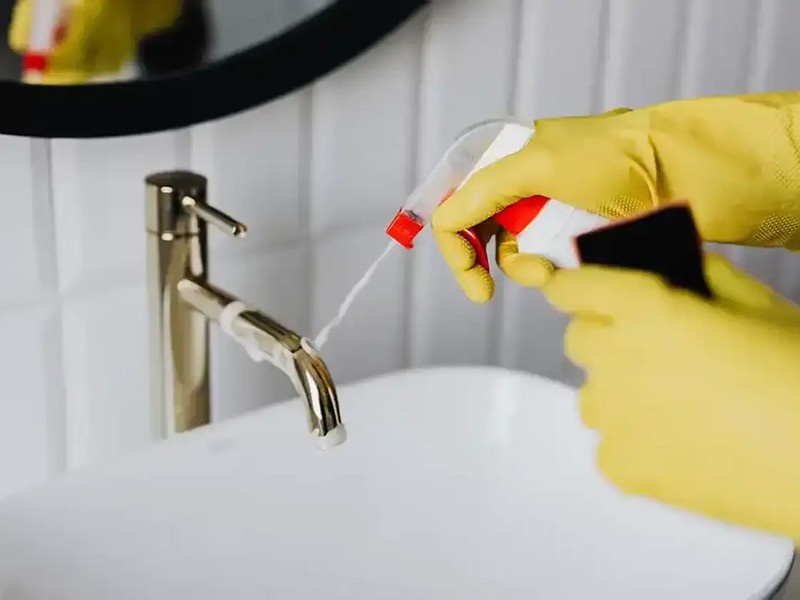
Cleaning and degreasing
Denatured ethanol can effectively remove oils, grease, and residues from machinery, tools, and industrial surfaces. Its relatively fast evaporation makes it particularly useful for cleaning processes where minimal residue is preferred.
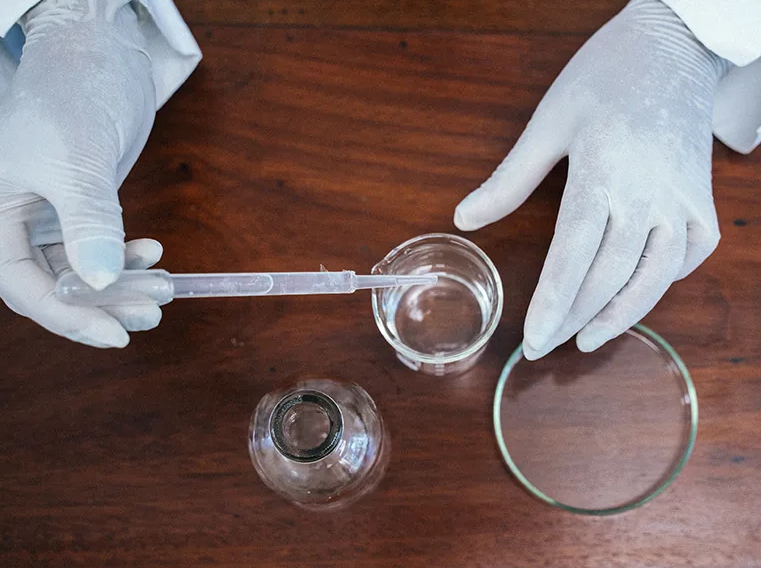
Laboratory and extraction applications
In research labs, denatured alcohol can be used as a solvent or reagent in chemical testing, staining procedures, and sample preparation. Suitable grades are also used in certain botanical and industrial extraction processes.
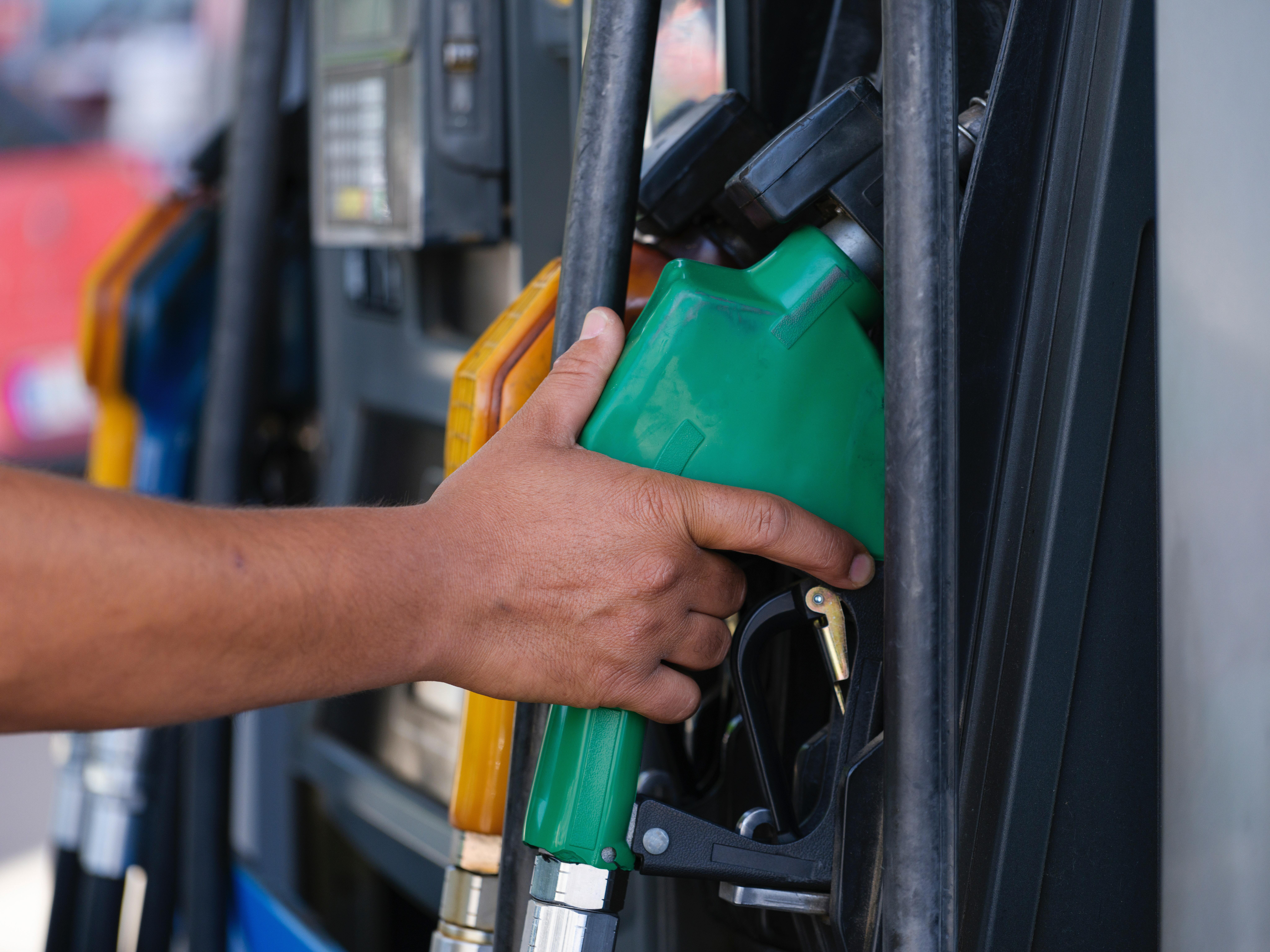
Fuel and energy applications
Denatured ethanol is used as a fuel and as a component in certain fuel formulations. Fuel-grade ethanol is commonly denatured before distribution and can be blended into petrol products such as E10 and E85, subject to applicable specifications and regulations.
What are the pros and cons of denatured ethanol?
Denatured alcohol offers versatile solvent properties and cost advantages for industrial use, but its additives can limit where and how it is used.
Pros
Cons
What is isopropyl alcohol?
Isopropyl alcohol (IPA) is a different chemical compound from ethanol. Also commonly associated with rubbing alcohol, IPA is a colourless, highly flammable liquid widely valued for its solvent, cleaning, and disinfecting properties.
When comparing isopropyl alcohol vs ethanol, both can function as effective solvents, but their chemical structures, evaporation characteristics, formulations, and suitability for specific applications differ.
What is isopropyl alcohol used for?
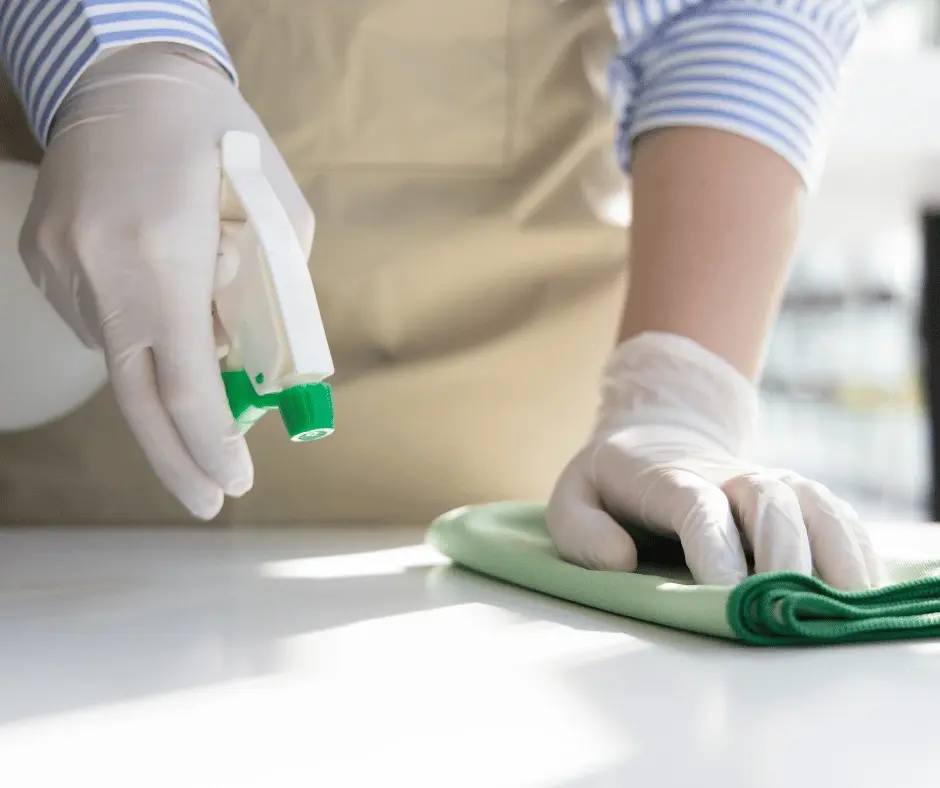
Cleaning and degreasing
IPA is widely used to remove grease, oils, adhesives, and other residues from equipment and industrial surfaces. Its rapid evaporation makes it particularly useful for electronics, components, and precision cleaning.

Disinfection and healthcare
Isopropyl alcohol is commonly used in disinfecting products, hand sanitisers, antiseptic preparations, and certain rubbing alcohol formulations for medicinal purposes. Suitable concentrations are also used to disinfect surfaces and medical equipment, depending on the required application and standards.
Pharmaceutical and cosmetic applications
IPA can function as a solvent and processing ingredient in pharmaceutical and cosmetic products. It is used in selected formulations where its dissolving properties and relatively fast evaporation are beneficial.
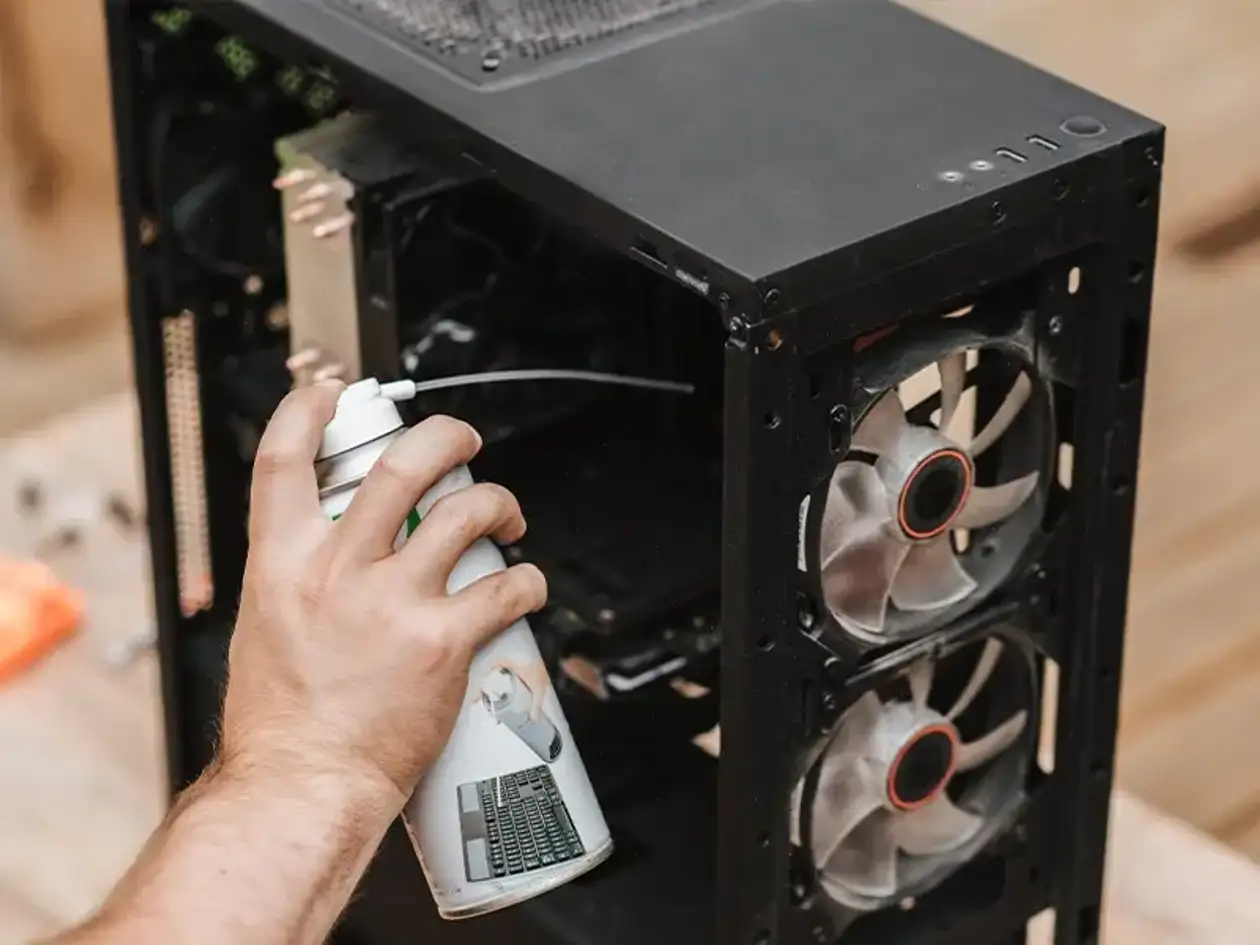
Manufacturing applications
Isopropyl alcohol is widely used as a solvent in manufacturing processes involving coatings, inks, resins, adhesives, and other formulations. Its rapid evaporation and ability to dissolve oils and other substances make it useful for processing, surface preparation, and equipment cleaning.
What are the pros and cons of isopropyl alcohol?
Isopropyl alcohol offers effective cleaning and solvent properties, but its flammability and toxicity require careful handling.
Pros
Cons
Anhydrous vs. denatured vs. isopropyl alcohol: Key differences
While all three alcohols have valuable industrial applications, they differ in composition, water content, solvent properties, and suitability for specific uses. The table below provides a quick comparison of their key characteristics.
|
Product name |
Anhydrous alcohol |
Denatured Alcohol |
Isopropyl alcohol |
|
Alcohol concentration |
Typically ≥99.5% ethanol |
Varies by formulation and grade |
In the 70% to 90% range |
|
Water content |
Less than 0.5% |
Varies by formulation and grade |
In the 10% to 30% range |
|
Primary benefit |
High purity and minimal water |
Ethanol functionality without suitability for consumption |
Effective cleaning, degreasing, and solvent properties |
|
Typical applications |
Chemical processing, laboratories, extraction, electronics, pharmaceuticals |
Industrial solvents, coatings, cleaning, fuel, manufacturing |
Cleaning, disinfection, electronics, laboratories, cosmetics |