


Bio-toluene
High-quality methylbenzene for your business
Looking for a reliable methylbenzene supplier for industrial manufacturing? Nedstar offers sourcing solutions for high-quality bio-based toluene, a renewable-origin aromatic solvent used in coatings, adhesives, inks, polymers, and chemical synthesis.
Bio-toluene provides the same molecular structure and fundamental chemical properties as conventional toluene, while offering an alternative carbon feedstock origin. This makes it relevant to manufacturers seeking to transition towards renewable solvents without necessarily changing established formulations.
Whether you need bio-toluene in bulk for solvent applications or chemical manufacturing, Nedstar helps you explore suitable specifications, renewable sourcing options, and international delivery arrangements.
Why choose Nedstar as your partner for methylbenzene?
Reliable international sourcing
Nedstar connects manufacturers with a global supplier network, supporting bio-based toluene sourcing according to purity, origin, availability, and technical requirements.
Consistent product quality
Our specialists help customers identify suitable product specifications and obtain relevant quality documentation to support consistent industrial processing.
Renewable sourcing expertise
Nedstar helps manufacturers explore renewable aromatic chemicals and appropriate feedstock traceability documentation to support their future sustainability objectives.
Flexible bulk logistics
From suitable ISO tanks to tank trucks, Nedstar coordinates international transport solutions according to order volume, destination, and applicable dangerous goods requirements.
What is bio-toluene?
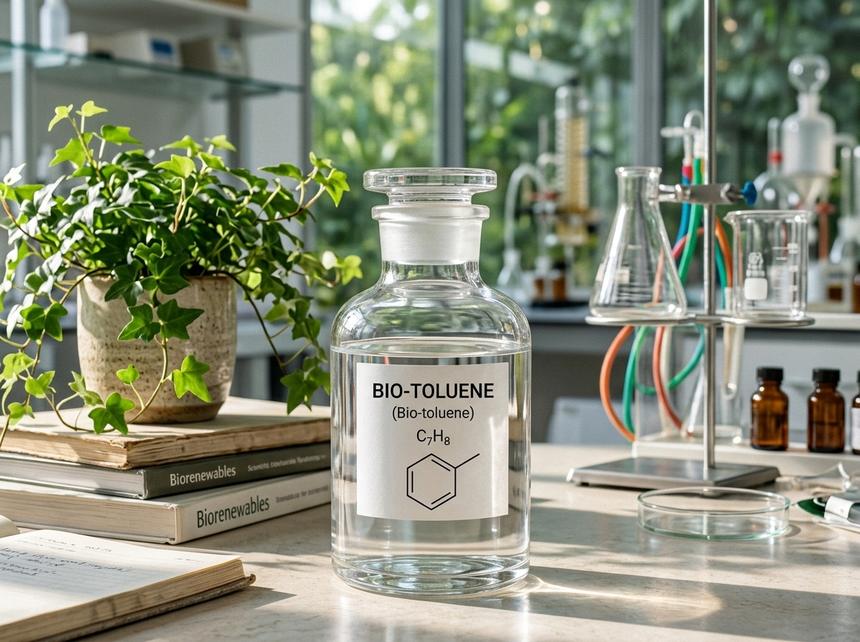
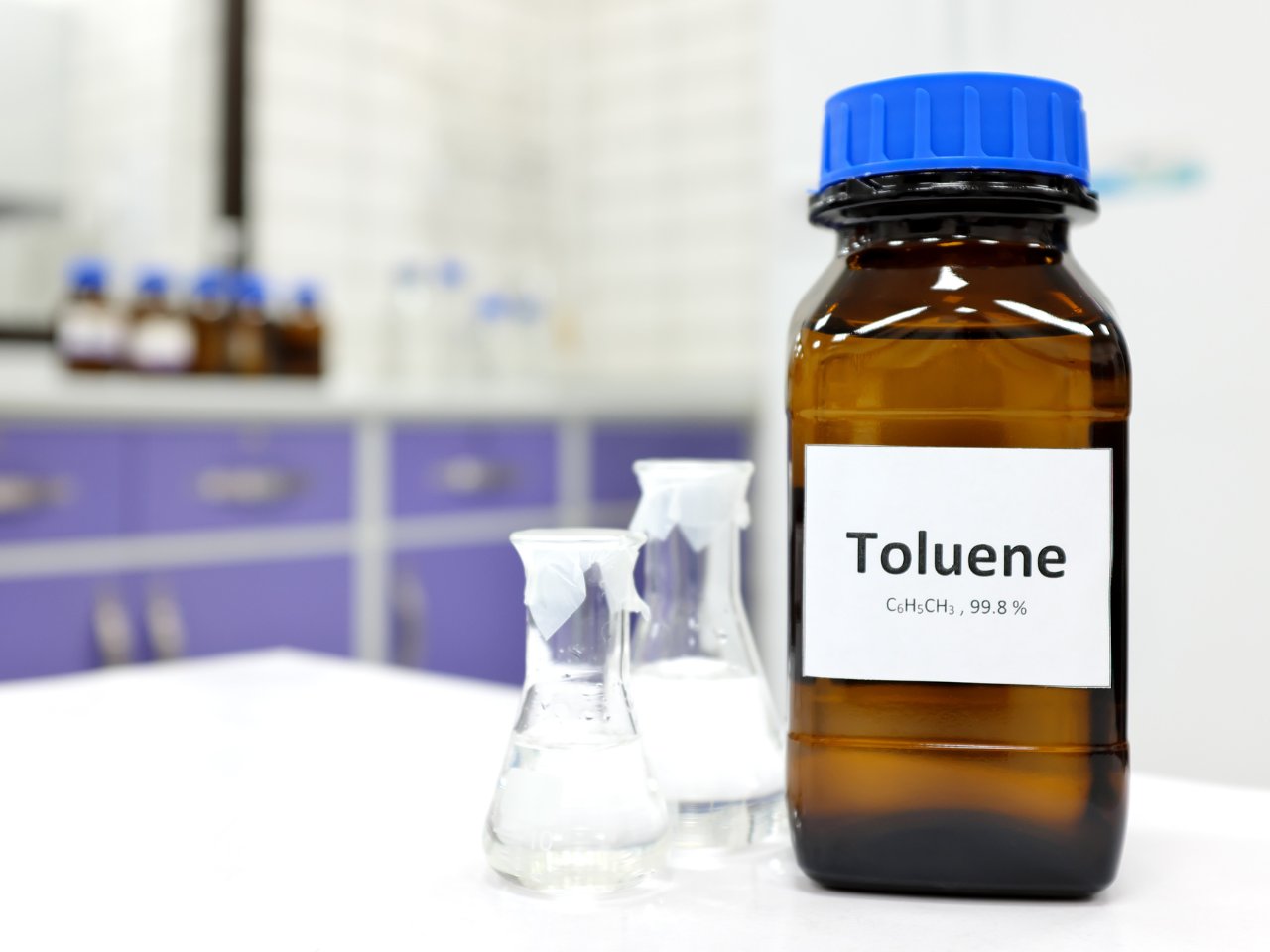
Bio-toluene is toluene produced using renewable carbon feedstocks rather than exclusively fossil-derived raw materials. Also known as methylbenzene or toluol, toluene is an aromatic hydrocarbon with the molecular formula C₇H₈, molecular weight of approximately 92.14 g/mol.
Its molecular structure consists of a benzene ring bonded to a methyl group (-CH₃). This group influences the compound's chemical reactivity, making methylbenzene more reactive than benzene towards certain electrophilic aromatic substitution reactions.
Similarly to conventional toluene, bio-toluene is a colourless, highly flammable liquid with a characteristic aromatic odour. It has a boiling point of approximately 110.6°C, melting point near −95°C and density of around 0.87 g/cm³ at 20°C.
Toluene is only slightly soluble in water but mixes readily with many organic solvents, including ethanol, acetone, and benzene. Its solvent properties make it valuable in coatings, adhesives, chemical synthesis, and other industrial processes.
When conventional and bio-based toluene meet equivalent purity and impurity specifications, they have the same fundamental chemical and physical properties. Compared with conventional toluene, the principal difference is the origin of the carbon used in production.
How is bio-toluene made?
Methylbenzene production involves converting suitable renewable carbon feedstocks into aromatic hydrocarbons, followed by separation and purification.
Unlike conventional toluene production, which primarily relies on crude oil refining and petrochemical processing, renewable pathways can use biomass-derived intermediates and selected waste-derived feedstocks.
Toluene production from crude oil
Conventional toluene is commonly obtained from petroleum-derived aromatic streams through catalytic reforming, extraction, and other refining processes associated with gasoline production.
These processes generate mixtures of aromatic hydrocarbons, including benzene, toluene, and xylene (BTX). Separation and purification operations recover toluene at the required industrial purity.
Bio-toluene production from biomass
Certain technologies convert lignocellulosic biomass or biomass-derived chemical intermediates into renewable aromatic hydrocarbons.
Thermochemical and catalytic processes can transform renewable carbon compounds into aromatic structures. The resulting mixtures require further treatment and purification to isolate toluene.
Research studies have also investigated Diels–Alder reactions involving biomass-derived furans, followed by catalytic transformations that can produce toluene and other aromatic hydrocarbons.
The overall yield and environmental performance depend on feedstock composition, catalyst selection, energy requirements, and process efficiency.
Renewable aromatics from waste-derived feedstocks
Advanced recycling technologies can convert selected waste plastics and other suitable carbon-containing materials into aromatic chemical streams.
However, waste-derived toluene is not automatically bio-based. Its renewable carbon content and potential benefits for the environment depend on the feedstock composition and applicable certification methodology.
Purification and quality control
Following conversion, aromatic mixtures undergo separation and purification to obtain the required toluene specifications.
Quality control may involve gas chromatography and other analytical methods to assess purity, residual compounds, and suitability for downstream chemical applications. Renewable origin should be documented separately through appropriate traceability and chain-of-custody systems.
Bio-toluene product specification sheet
Specs & certifications
108-88-3
203-625-9
C₇H₈ / C₆H₅CH₃
Clear, colourless liquid
Bio-based / renewable feedstocks
IBC (1,000 L) · ISO container (26,000 L)
COA, TDS, ISCC+ sustainability declaration, GHG add-on 205-01
![]()
Applications
What is bio-based methylbenzene used for?
Methylbenzene is used in applications requiring an aromatic solvent or chemical intermediate. Its main applications include paints and coatings, adhesives, printing inks, polymer manufacturing, and selected chemical synthesis processes.
Paints and coatings
Toluene is widely used as a solvent in paints, coatings, lacquers, and selected paint thinners. Its ability to dissolve many resins and organic compounds supports formulation consistency, viscosity adjustment, and application performance.
Bio-based toluene may offer manufacturers an alternative feedstock origin while maintaining the required solvent properties, subject to product specifications and formulation testing.
Unlike refrigerants that circulate within the cooling system, cyclopentane is generally incorporated into the insulation foam during manufacturing.
Chemical intermediate
Toluene is an important precursor for producing other industrial chemicals.
Its methyl group can undergo oxidation to form benzoic acid, while electrophilic substitution reactions can produce various aromatic derivatives. Complete hydrogenation of toluene can also produce methylcyclohexane, a compound used as an industrial solvent and chemical intermediate.
Toluene is also used in chemical manufacturing routes involving benzene derivatives and other aromatic compounds. Besides, it’s used as a high-octane component in certain gasoline formulations, helping improve resistance to engine knocking.
Polymers and plastics
Toluene and its derivatives are relevant to the manufacture and processing of certain polymers, including materials used in polyurethane production, coatings, and adhesives.
Toluene can also serve as a processing solvent in selected formulations involving polystyrene, polyesters, and other organic polymer systems, subject to compatibility requirements.
Bio-based toluene can support renewable raw material strategies where the required product specifications and supply chain documentation are available.
Adhesives and resins
Bio-toluene can serve as a solvent in selected adhesives, synthetic resins, and polymer formulations.
Its compatibility with various organic compounds makes it useful in applications requiring controlled dissolution and processing behaviour.
Manufacturers should evaluate solvent compatibility, evaporation characteristics, and applicable exposure requirements before incorporating it into their formulations.
Printing inks
Toluene is used in selected printing ink formulations, particularly where aromatic solvent properties are required.
It supports the dissolution of suitable binders and resins and influences drying and application behaviour.
Bio-toluene may be considered where manufacturers require chemically equivalent renewable-origin solvents, provided the relevant quality and regulatory requirements are met.
Pharmaceutical and chemical synthesis
Toluene is used as a reaction solvent and processing medium in selected pharmaceutical and speciality chemical manufacturing processes.
It can support organic synthesis, extraction, crystallisation, and other operations involving compounds with suitable solubility characteristics.
The appropriate grade, impurity profile, and residual solvent requirements must be verified for each application.
Key attributes of bio-toluene
Renewable carbon origin
Bio-toluene can be produced using suitable renewable carbon feedstocks, offering an alternative to exclusively fossil-derived toluene.
Effective aromatic solvent
Its chemical structure provides strong solvent performance for many resins, coatings, adhesives, and organic compounds.
Chemical equivalence
Bio-based and conventional toluene share the same molecular structure and fundamental properties when supplied at equivalent specifications.
Versatile chemical intermediate
Toluene supports the manufacture of aromatic derivatives and other chemicals used across industrial production processes.

Bio-toluene REACH compliance and regulatory documentation
For manufacturers sourcing bio-toluene in Europe, compliance with the EU Registration, Evaluation, Authorisation, and Restriction of Chemicals (REACH) Regulation is an important part of chemical procurement. Toluene (CAS 108-88-3; EC 203-625-9) is a registered substance under REACH. However, registration status does not automatically establish compliance for every supplier, shipment, or intended use.
Applicable obligations depend on the substance, supply chain role, registration coverage, annual tonnage, and relevant restrictions. Nedstar helps customers discuss applicable documentation, including safety data sheets, technical specifications, and relevant supply chain information.
Manufacturers must also consider the Classification, Labelling, and Packaging (CLP) Regulation. Toluene is highly flammable, and its vapours can form explosive mixtures with air, particularly in the presence of ignition sources.
Exposure to toluene can cause symptoms such as skin and eye irritation, headache, dizziness, and drowsiness. Prolonged or repeated exposure may affect the nervous system, while inhalation of very high vapour concentrations can cause loss of consciousness and, in extreme cases, death. Appropriate ventilation, ignition-source controls, personal protective equipment and safe storage procedures are essential.
Bio-based origin does not eliminate the hazards associated with toluene. Renewable carbon claims and sustainability certifications should therefore be evaluated separately from chemical safety and regulatory compliance.
Contact Nedstar to discuss bio-toluene specifications, documentation, and sourcing requirements.
What
makes
Nedstar
different

Reach
REACH provides guidelines for gathering and evaluating data about the characteristics and risks associated with various chemicals.

ISO 9001
ISO 9001 certification ensures our quality management systems meet internationally recognised standards.

ISO 14001
We follow ISO 14001 standards to minimise environmental impact and improve sustainability across our operations.

EcoVadis
Nedstar's EcoVadis Silver Medal recognises its assessed sustainability management performance across environmental practices, ethics, and responsible procurement.
Nedstar packaging options for bio-toluene
Transporting bio-toluene requires packaging and logistics arrangements suitable for a highly flammable aromatic solvent.
Nedstar helps coordinate bulk bio-based toluene shipments according to product specifications, order volume, destination, and applicable international dangerous goods requirements.
IBC tote

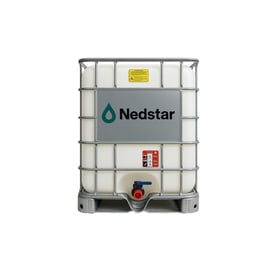
Mid-sized shipments; our stackable IBC totes are widely used by companies across Europe, the US, and Asia for their efficiency and reliability.
ISO container
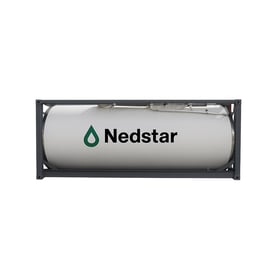
Our ISO tanks support intermodal transport by sea, rail, and road. They are ideal for companies sourcing in medium to large volumes.
Tanktruck
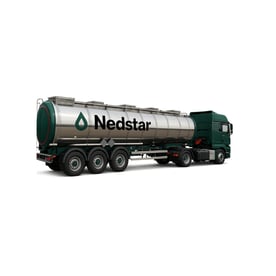
Our tank trucks are widely used worldwide to deliver bulk ethanol by road. They’re a practical option for regional transport and quick distribution.
Nedstar is your reliable partner for bio-based methylbenzene
Sourcing high-quality bio-toluene requires consistent technical specifications, dependable logistics, and appropriate documentation of renewable carbon origin.
Nedstar supports manufacturers exploring bio-based aromatic solvents for coatings, adhesives, inks, polymers, and chemical synthesis. Our specialists help coordinate sourcing, technical documentation, and international deliveries.
Whether you are evaluating renewable toluene for an existing formulation or developing a new product, we can discuss suitable purity requirements, supplier availability, and applicable certification options.
Looking to buy bio-toluene in bulk? Contact Nedstar to discuss your required specifications, order volume, destination, and current bio-toluene price.
Explore our related product offering
Isobutanol
Isobutanol is a versatile alcohol used as a solvent and chemical intermediate in coatings, resins, plastics, and speciality chemical manufacturing.

Fusel oil
Fusel oil is a mixture of higher alcohols recovered during fermentation and alcohol production, used as a feedstock for solvents and speciality chemical manufacturing.
Bio acetic acid
Bio acetic acid is a renewable-origin organic acid used in the production of acetates, solvents, polymers and other industrial chemical derivatives.
Frequently Asked Questions
What is bio-toluene used for?
Bio-toluene is used as an aromatic solvent and chemical intermediate in coatings, adhesives, printing inks, polymers, and speciality chemical manufacturing. Its solvent properties support the dissolution of selected resins and organic compounds, while its chemical structure makes it useful in aromatic synthesis. Applications depend on product purity, formulation requirements, and applicable safety regulations.
What does “bio” mean in bio-toluene?
The term “bio” indicates that toluene is produced using renewable biological carbon feedstocks rather than exclusively fossil-derived raw materials. Depending on the production pathway, these may include biomass-derived chemical intermediates. Renewable origin should be supported by appropriate documentation, traceability, and certification. Not every waste-derived or circular aromatic product is necessarily bio-based.
Is bio-toluene a drop-in replacement for fossil toluene?
Bio-toluene and conventional toluene have the same molecular formula, C₇H₈, CAS number 108-88-3 and chemical structure. Bio-toluene can therefore function as a drop-in alternative when both products meet equivalent purity and impurity specifications. Manufacturers should still verify technical requirements and conduct application-specific testing, particularly for sensitive chemical synthesis and tightly controlled industrial formulations.
How does bio-toluene help reduce carbon footprint?
Bio-toluene may reduce reliance on fossil-derived carbon by using renewable feedstocks. However, its actual carbon footprint depends on feedstock origin, production technology, energy consumption, transport, and other lifecycle factors. A lower greenhouse gas footprint should only be claimed when supported by a suitable lifecycle assessment and relevant supply chain documentation. Bio-based origin alone does not guarantee a specific emissions reduction.
What safety and regulatory points apply?
Bio-toluene has the same inherent chemical hazards as conventional toluene. It is highly flammable, and its vapours can form explosive mixtures with air. Exposure may cause irritation, dizziness, and nervous system effects. Manufacturers of toluene-containing products must follow applicable REACH and CLP requirements, maintain appropriate ventilation and ignition controls, and consult the product-specific safety data sheet.