
Solvents in cosmetics play an important role in modern formulation, helping dissolve and distribute active ingredients, fragrances, oils, and other substances in a cosmetic product. According to the Scientific Committee on Consumer Safety of the European Commission, ethyl acetate, butyl acetate, diacetone, ethanol, isopropanol, and several other esters are among the common solvents used across various cosmetic formulations.
As manufacturers look more closely at the origin and environmental profile of their raw materials, interest in bio-based chemicals and solvents is increasing. In 2024, the EU's Circular Bio-based Europe Joint Undertaking allocated €213 million to advance circular bio-based industries, including €15 million specifically for expanding commercially produced bio-based solvents. This investment reflects the growing focus on renewable alternatives, including bio-based esters and specialty alcohols, for applications such as cosmetics, fragrances, and other formulations.
For formulators and manufacturers, selecting the right solvent means balancing performance, quality, consistency, and supply requirements. With Nedstar as your sourcing partner, you gain access to a global network of bio-based chemicals and specialty alcohols backed by reliable supply and quality expertise.
Explore how bio esters and specialty alcohols function in formulations, where they are used, and what to consider when sourcing solvents for cosmetics and related applications.
The role of solvents in cosmetics
Solvents in cosmetics help dissolve and evenly distribute different cosmetic ingredients within a formula. They make it easier to combine substances such as active ingredients, fragrances, oils, and pigments that may not mix effectively on their own.
The choice of solvent can also influence how a cosmetic product feels and performs. Depending on the formulation, solvents can support ingredient dissolution, improve application, and even help create the desired texture in products such as creams, sprays, toners, perfumes, and cleaning products.
Different formulations require different solvents. Water, alcohol, glycols, and certain esters are commonly used, with the right option depending on the ingredients being dissolved, the intended application, and the required product characteristics.
How are solvents used in cosmetics produced?
The production process depends on the type of solvent, its raw materials, and the purity required for cosmetic applications. Common routes range from fermentation and distillation to chemical synthesis and esterification.

Fermentation of bio-based alcohols
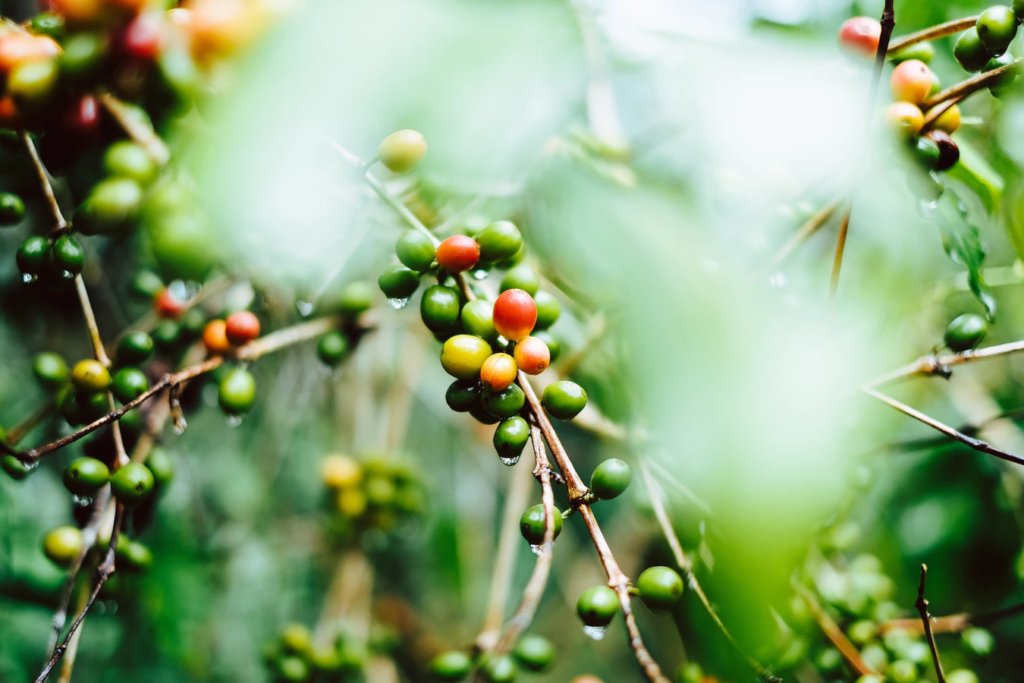
Renewable feedstocks containing sugars or starches can be fermented by microorganisms to produce alcohols such as ethanol. The resulting alcohol is then distilled and purified to achieve the required concentration and quality.

Production of specialty alcohols
Some specialty alcohols can be obtained as products or by-products of fermentation and subsequently separated through distillation and purification. For example, fusel oil contains higher alcohols such as isoamyl alcohol, which can be further refined to produce fusel oil derivatives used in flavour and fragrance synthesis.

Esterification to produce bio-based esters
Esters are commonly produced by reacting an alcohol with an organic acid in a process known as esterification. When renewable feedstocks are used for one or both components, the resulting products may qualify as partially or fully bio-based esters.

Production of synthetic solvents
Many conventional solvents, including certain glycols, ethers, and alcohols, are manufactured through petrochemical synthesis. These processes convert chemical feedstocks through controlled reactions followed by separation and purification to achieve the required specifications.
Applications of bio esters and specialty alcohols
Bio esters and specialty alcohols can perform several functions in cosmetic and personal care formulations, depending on their chemical properties and purity. They are particularly relevant as solvents, carriers, formulation ingredients, and raw materials for fragrance compounds.
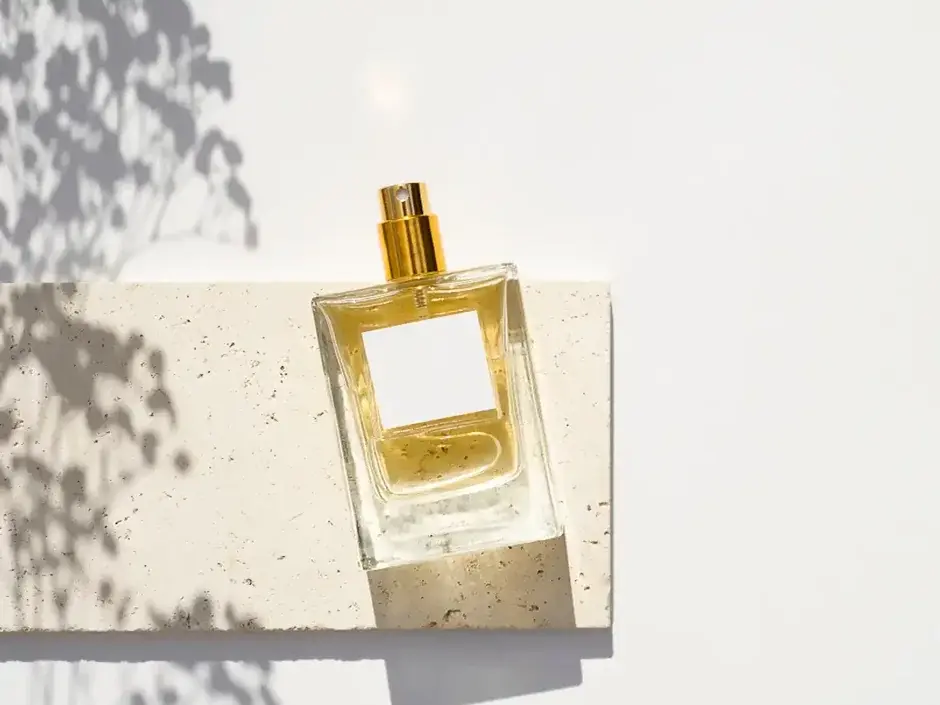
Perfumes and fragrance formulations
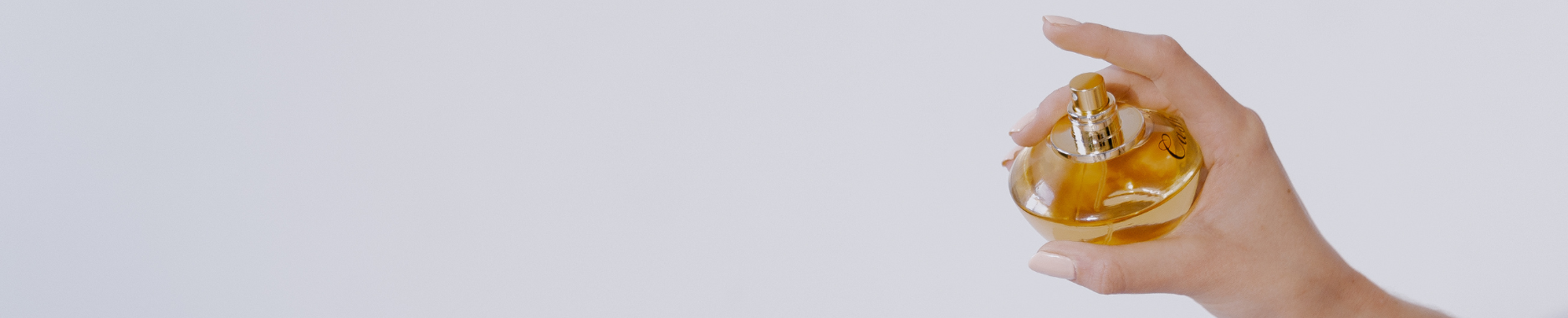
Specialty alcohols such as ethanol are widely used as alcohols for perfume and carriers for aromatic compounds in perfumes, body sprays, and other fragrance products. Selected bio esters and specialty alcohols can also serve as raw materials for producing fragrance ingredients and aroma compounds.
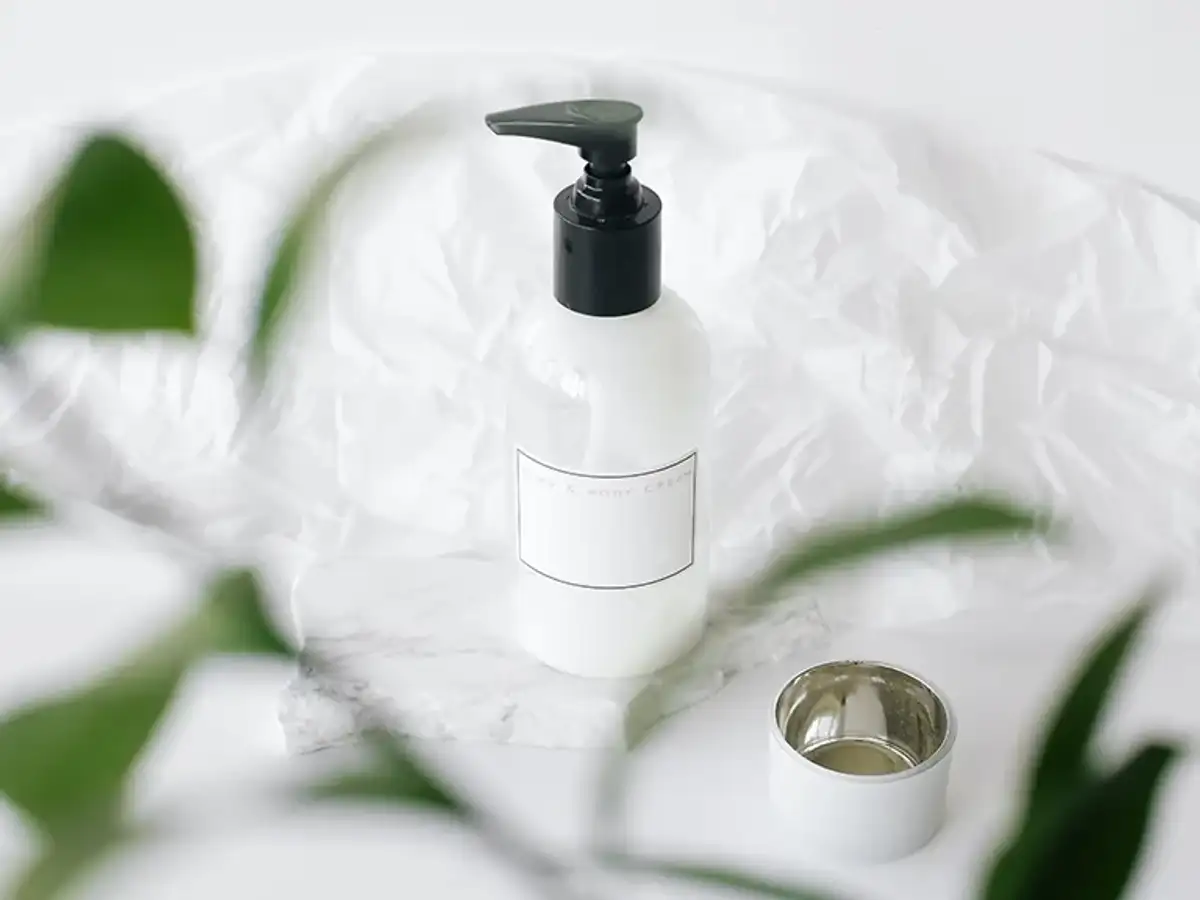
Skincare and personal care products
Selected alcohols and esters can help dissolve or distribute active ingredients, oils, and other cosmetic ingredients in skincare formulations. Depending on their properties, they may also influence texture, absorption, evaporation, and the sensory profile of the finished product.
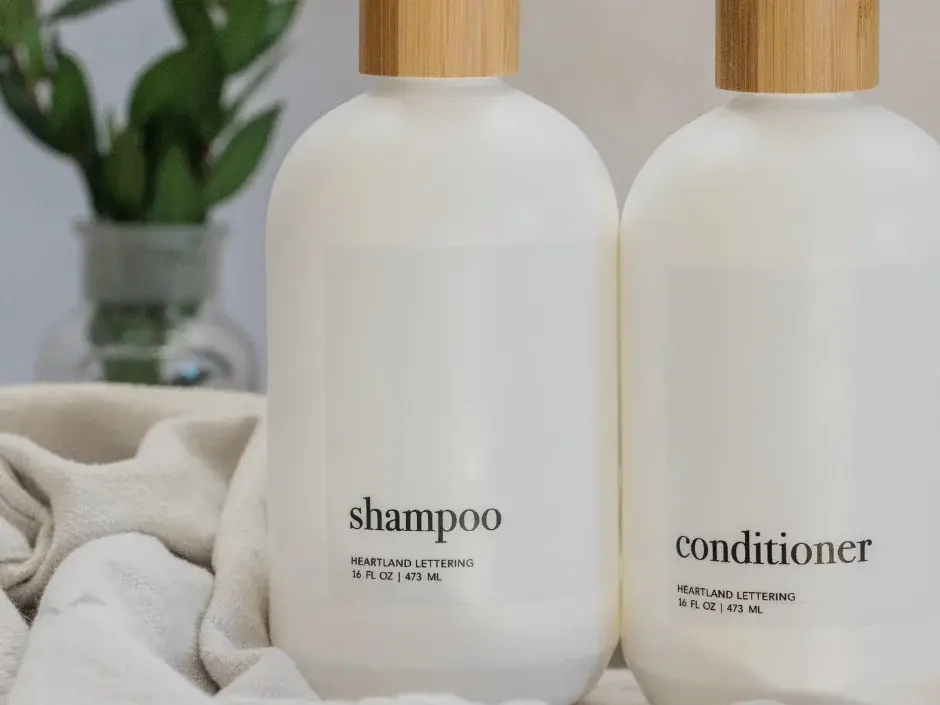
Haircare and cleansing products
Solvents can support the dissolution and distribution of ingredients in hair sprays, styling products, shampoos, and cleansing formulations. Specialty alcohols may also provide fast-drying or processing benefits, depending on the formula and intended application.
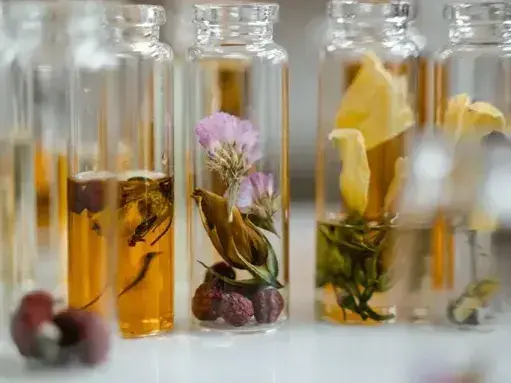
Extraction and ingredient processing
Bio-based solvents can be used to extract or process valuable compounds from botanical and other biological raw materials for subsequent formulation. Selected materials may also have applications as natural bio-based extraction solvents for pharmaceuticals, provided they meet the required purity, safety, and regulatory specifications.
Different solvents in cosmetics and their primary properties
Different solvents in cosmetics offer distinct properties that influence their suitability for specific ingredients and formulations. Nedstar supplies a range of alcohols and bio-based solvents with varying characteristics and formulation applications, helping manufacturers select the right solution for their production needs.
|
Solvent |
General characteristics |
Common formulation relevance |
|
Versatile, volatile alcohol with strong solvent properties and rapid evaporation. |
Ethanol’s function in cosmetic solvents is to dissolve fragrances and other cosmetic ingredients, particularly in perfumes, sprays, and toners. It dries quickly and gives products a light, non-greasy feel.
|
|
|
High-purity ethanol available with different denaturing options to meet formulation and regulatory requirements. |
Ethanol as a solvent in cosmetics can help dissolve fragrance compounds and other ingredients while contributing to a lightweight formula.
|
|
|
Fast-evaporating alcohol with effective solvency and cleaning properties. |
Used as a solvent and processing ingredient in selected cosmetic, personal care, and hygiene formulations.
|
|
|
|
Higher alcohol with effective organic solvency and a characteristic fruity odour. |
Relevant to fragrance, aroma-chemical, and natural isoamyl alcohol cosmetic production. Can serve as a raw material for esters used in perfumes and related products.
|
|
Higher alcohol that functions as both a solvent and chemical intermediate. |
Useful as a raw material for producing esters and other compounds used across fragrance and specialty chemical formulations. |
|
|
Bio-based ester with strong solvency, relatively fast evaporation, and a mild fruity odour. |
A bio-based solvent relevant to fragrances, cosmetics, and extraction processes where effective organic solvency is required. |
|
|
Bio-based mixture rich in higher alcohols, including isoamyl alcohol and isobutanol. |
Primarily a raw material for producing specialty alcohols, esters, fragrance intermediates, and other chemical ingredients rather than a general-purpose cosmetic solvent. |
|
|
Ethanol made unsuitable for consumption by adding approved denaturing agents. The resulting solvent is typically volatile and fast-drying. |
Alcohol denat as a solvent in cosmetics helps dissolve fragrances and other ingredients. It’s commonly used in perfumes, sprays, toners, and selected hair products. |
Understanding the difference between cosmetic ingredients
When selecting neutral alcohol for beverage, pharmaceutical or industrial applications, it is important to consider both its advantages and limitations in relation to your formulation, production process, and end-use requirements.
-1.png)
Choose Nedstar as your sourcing partner for solvents used in cosmetics
From natural solvents in cosmetics to specialty alcohols and bio-based esters, Nedstar connects manufacturers with reliable raw materials for diverse formulation requirements.
Whether you need solvents to support the dissolution of hydrophilic ingredients, complement surfactants and preservation systems, or achieve the required viscosity and absorption properties, our specialists can help you identify a suitable solution backed by consistent quality, global supply expertise, and reliable documentation. Contact us to discuss your formulation and sourcing needs.
Sustainability considerations in cosmetic solvent sourcing
Responsible sourcing is central to Nedstar’s approach to supplying natural solvents for cosmetics and bio-based raw materials. By working with trusted producers and supporting transparent, traceable supply chains, we help manufacturers source high-quality solvents while considering renewable feedstocks, environmental impact, and their broader sustainability objectives.

.png?width=352&name=LinkedIn%20Banners%20(1).png)