
Bio ethyl acetate
Bio ethyl acetate is a biochemical that acts as an alternative to traditional petrochemical solvents, now available in Nedstar’s expanding range of sustainable products. Also known as ethyl ethanoate, ethyl acetate, or simply ETAC, this versatile organic compound is prized for its effectiveness and distinctive fruity scent used across industries, including flavouring, paints, and pharmaceuticals.
With growing global demand for cleaner, greener solutions, our bio-based ethyl acetate offers an environmentally friendly option without compromising on performance or purity.
What is bio ethyl acetate?
Bio ethyl acetate is a colourless, low-viscosity organic compound with the chemical formula C₄H₈O₂. Part of the ester family, it has a boiling point of 77.1°C and is known for its pleasant, fruity scent. Its molecular structure, CH₃COOCH₂CH₃, gives it excellent solvency and fast evaporation, making it an ideal choice for industrial applications that require efficiency and purity.
The compound occurs naturally in some fruits but is mostly produced synthetically. Unlike conventional ethyl acetate, which is petroleum-derived, bio-based ethyl acetate is made from renewable agricultural materials. It is registered under ethyl acetate CAS number 141-78-6 and is widely accepted in environmentally conscious markets.
Ethyl acetate uses: Industry applications
Thanks to its versatile chemical profile, bio ethyl acetate is used in a wide variety of sectors:
Fragrance and cosmetics
Used for its scent in perfumes, colognes, and more
Paints and coatings
Fast-drying properties and strong solvency for paints
Food and flavouring
For extracting and enhancing flavour in consumables
Printing and packaging
Solvent for inks, adhesives, and laminates
Pharmaceuticals
Carrier for active ingredients in drug formulation
Cleaning and degreasing
A naturally derived solvent for surface and equipment cleaning
How is bio ethyl acetate made?
Traditional ethyl acetate producers use fossil-derived ethanol and acetic acid. In contrast, Nedstar’s bio ethyl acetate is produced through a catalytic esterification process that starts with bioethanol, ethanol derived from renewable, non-GMO raw materials like sugarcane or corn. When bioethanol reacts with acetic acid, the result is a high-purity, environmentally friendly ethyl acetate product.
Nedstar packaging options
Exporting ethanol to countries worldwide from over 75 international suppliers requires the appropriate packaging. To make sure that your product arrives safely to its destination, Nedstar has a number of packaging options, suitable for any industry or amount of ethanol.
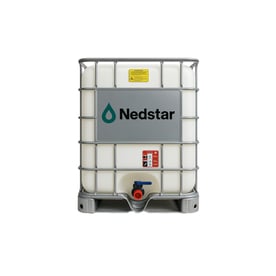
IBC tote

Mid-sized shipments; our stackable IBC totes are widely used by companies across Europe, the US, and Asia for their efficiency and reliability.
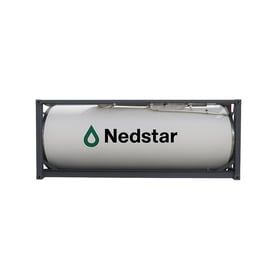
ISO container

Our ISO tanks support intermodal transport by sea, rail, and road. They are ideal for companies sourcing in medium to large volumes.
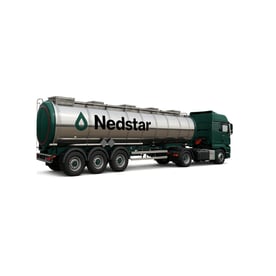
Tanktruck

Our tank trucks are widely used across Europe to deliver bulk ethanol by road. They’re a practical option for regional transport and quick distribution.

Why buy ethyl acetate from Nedstar?
Choosing to buy ethyl acetate from Nedstar means choosing transparency, quality, and responsible sourcing. We offer bio ethyl acetate in various grades tailored to your sector, with reliable logistics and full technical support. Whether you're a formulator, co-packer, or brand owner, our team ensures your order arrives on time and in line with your sustainability ambitions.
Nedstar helps clients shift away from fossil-based ingredients without sacrificing performance or regulatory compliance. It’s not just about supplying a product, it’s about enabling your next step toward a cleaner value chain.
Ready to place your order?
Get in touch with our commercial team for a tailored quote or technical support.
Frequently Asked Questions
What is ethyl acetate used for?
It’s used as a solvent in food flavouring, fragrances, coatings, adhesives, pharmaceuticals, and cleaning products due to its fast evaporation, mild odour, and strong solvency.
Is ethyl acetate soluble in water?
Yes, it is moderately soluble in water, allowing it to be used in aqueous and non-aqueous systems, with high solubility in many organic solvents.
What does ethyl acetate smell like?
Ethyl acetate has a sweet, fruity aroma reminiscent of pears or pineapple. This makes it ideal for flavour and fragrance applications.
How is bio ethyl acetate different from standard ethyl acetate?
Bio ethyl acetate is derived from renewable sources like sugarcane, whereas traditional ethyl acetate is made from petroleum-based feedstocks. Both are chemically identical but differ in environmental impact.