


Skip to content
Request a quote

High-quality n-butanol for your business

Looking for a reliable n-butanol supplier for industrial manufacturing? Nedstar offers sourcing solutions for high-quality 1-butanol, a versatile solvent and chemical intermediate used in polymers, coatings, adhesives, resins, and plasticisers.

Also known as n-butyl alcohol or butan-1-ol, this four-carbon alcohol is an important raw material for producing butyl acrylate, butyl acetate, and other chemical derivatives. Its solvent properties and reactivity make it valuable for manufacturers developing high-performance materials.

Whether you need conventional or bio-based n-butanol, Nedstar helps you identify suitable grades, technical specifications, and international delivery options. Our specialists support manufacturers seeking consistent quality, reliable supply, and renewable feedstock alternatives.

n_butanol

Why choose Nedstar as your partner for n-Butanol?

Reliable global sourcing

Nedstar connects manufacturers with an established international supplier network, helping customers source n-butanol according to purity, origin, availability, and production requirements.

Consistent technical quality

We help customers identify suitable n-butanol grades and obtain relevant technical specifications, certificates of analysis, and documentation to support manufacturing consistency.


Renewable sourcing expertise

Our biochemical portfolio includes conventional and renewable-origin products, helping manufacturers explore bio-based n-butanol and other alternatives derived from suitable biomass feedstocks.


Flexible bulk logistics

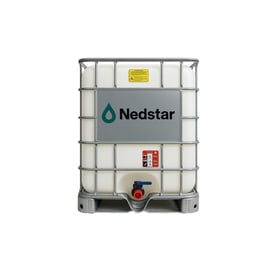
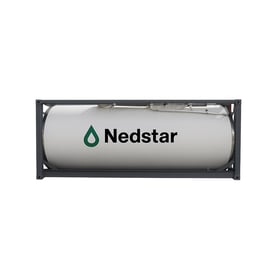
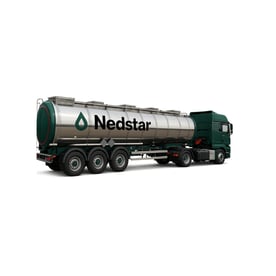
From IBCs to ISO tanks and tank trucks, Nedstar coordinates international supply arrangements tailored to your required volume, delivery schedule, and destination.


Isobutanol_Nedstar-1

What is 1-butanol?

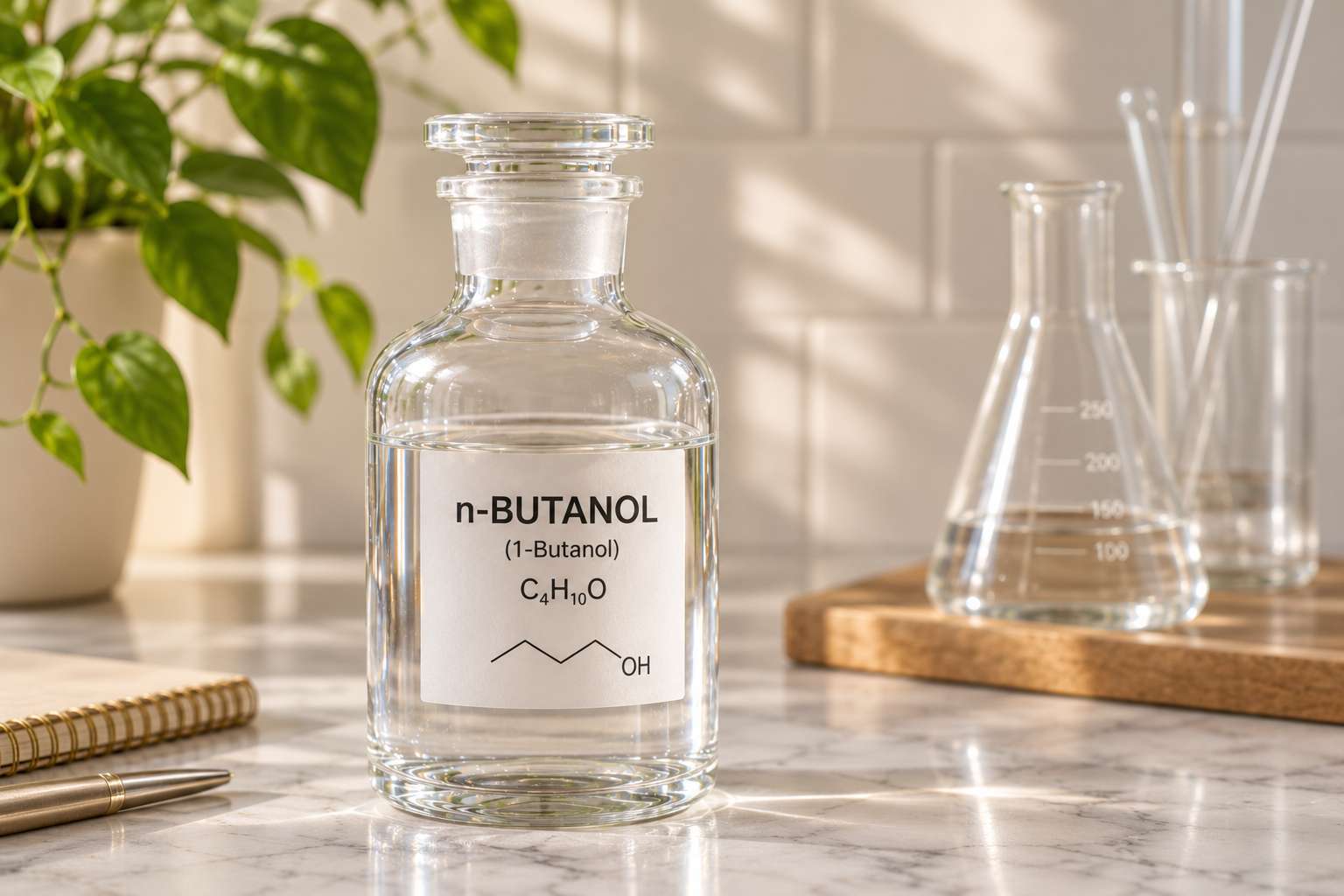
1-Butanol, also called n-butanol, n-butyl alcohol or butan-1-ol, is a primary alcohol with the molecular formula C₄H₁₀O, and a molecular weight of approximately 74.12 g/mol.

It is a colourless, flammable liquid with a characteristic alcoholic odour. Its molecular structure consists of a four-carbon hydrocarbon chain with a hydroxyl (-OH) group attached to the terminal carbon atom.

This combination gives 1-butanol moderate polarity and useful solvent properties. It dissolves many organic compounds while remaining less soluble in water than shorter-chain alcohols such as ethanol and methanol.

At approximately 20°C, n-butanol has a density of 0.81 g/cm³ and water solubility of around 77 g/L. Its boiling point is approximately 117°C, melting point is −90°C and closed-cup flash point is around 29°C. Its vapour pressure also influences evaporation behaviour during industrial processing.

1-Butanol and other butanol isomers

There are four structural isomers of butanol: 1-butanol, isobutanol, sec-butanol, and tert-butanol.

Although these compounds share the molecular formula C₄H₁₀O, their different molecular structures influence their chemical properties, including reactivity, solvent behaviour, and industrial applications.

Unlike isobutanol, which has a branched carbon chain, 1-butanol has a straight-chain structure. This distinction matters when selecting raw materials for chemical synthesis and polymer manufacturing.

How is n-butanol made?

Industrial butanol production uses both petrochemical and biological pathways. Conventional 1-butanol is primarily manufactured through the oxo process, while renewable n-butanol can be produced from suitable biomass-derived feedstocks.

1-Aug-08-2025-07-53-18-0394-AM

Conventional butanol production: The oxo process

The oxo process, also known as hydroformylation, uses propylene, carbon monoxide and hydrogen to produce butyraldehyde intermediates.

These aldehydes are subsequently hydrogenated to produce butanol. Process conditions and catalyst selection influence the proportions of normal and branched products.

The resulting alcohol undergoes separation and purification to achieve the required technical grade and composition.

2-3

Biobutanol production through fermentation

Biobutanol production can use sugars obtained from biomass feedstocks, including agricultural crops, agricultural waste, and suitable by-products.

Certain bacteria, particularly Clostridium acetobutylicum, convert fermentable sugars into solvents through acetone-butanol-ethanol (ABE) fermentation.

During this process, microbial metabolism directs carbon flux through metabolic pathways that produce butanol alongside acetone, ethanol, and other fermentation products.

Researchers are investigating metabolic engineering, improved microorganisms, and process optimisation to increase overall yield and make renewable butanol production more economically viable.

3-3

Renewable n-butanol from alternative feedstocks

Bio-based n-butanol can also be sourced from suitable renewable chemical streams, including certain fusel oil fractions recovered during alcohol production.

Separation and purification are required to remove unwanted compounds present in the feedstock and achieve the desired product composition and purity. These processes can be energy-intensive, depending on the production method. Renewable feedstock origin must be supported by appropriate traceability and certification documentation.

The environmental performance of biobutanol depends on the feedstock, energy inputs, production method, and supply chain. These factors are important when evaluating its contribution to sustainable development.

n-Butanol product specification sheet

Specs & certifications

Chemical name
CAS registry number
EC number
Molecular formula
Appearance
Origin
Packaging
Documentation
GHS labelling
n-Butanol / 1-butanol (butan-1-ol)

71-36-3

200-751-6

 C₄H₁₀O / C₄H₉OH 

Clear, colourless liquid

Fermentation-derived

IBC (1,000 L) · ISO container (26,000 L)

COA, TDS, ISCC+ sustainability declaration, GHG add-on 205-01

nedstar-ghs-flame-exclaimer

Applications

What is n-butanol used for?

1-Butanol serves as both an industrial solvent and an important chemical building block. Its applications span acrylic polymers, coatings, adhesives, plasticisers, pharmaceuticals, and selected biofuel formulations.

n-Butanol for acrylic polymers and acrylates

One of the most important applications of n-butanol is the manufacture of butyl acrylate, an ester produced through reactions involving acrylic acid and 1-butanol.


Butyl acrylate is subsequently polymerised or copolymerised to produce acrylic materials used in coatings, adhesives, sealants, and other polymer formulations.


For R&D teams developing acrylic polymers, consistent n-butanol purity and impurity control are important for reliable downstream synthesis and material performance.

n-Butanol for coatings and paints

1-butanol is used as a solvent and processing component in selected paints, coatings, lacquers, and surface-treatment formulations.


Its moderate evaporation rate and compatibility with various organic compounds make it useful for adjusting solvent blends, application behaviour, and film formation.


It is also a feedstock for butyl acetate, a widely used solvent in coatings and related applications.

n-Butanol for pharmaceuticals and extraction

In pharmaceutical and speciality chemical manufacturing, 1-butanol can serve as a solvent, extraction agent, or intermediate.


Its solvent properties make it relevant to selected extraction and purification processes involving organic compounds, including certain pharmaceutical intermediates.


The appropriate grade, residual solvent limits, and process requirements must be verified for each application.

n-Butanol for adhesives and resins

1-Butanol supports the manufacture and formulation of selected synthetic resins, adhesives, and industrial coatings.

As a chemical intermediate, it contributes to the production of esters and other derivatives used in polymer processing and speciality chemical manufacturing.

n-Butanol for plasticisers and intermediates

N-butanol is used to manufacture certain butyl esters that serve as plasticisers and chemical intermediates.


These compounds can modify the flexibility, processing characteristics, and performance of selected polymer materials, depending on the formulation and regulatory requirements.

n-Butanol for textiles and consumer products

N-butanol and its derivatives are used in selected textile coatings, resins, cosmetics, and other consumer product manufacturing processes.


These applications depend on the specific formulation, purity requirements, and applicable product safety regulations.

Biobutanol for biofuels and fuel blending

Biobutanol is being investigated as a renewable fuel component because it has a higher volumetric energy content than ethanol and favourable compatibility with certain hydrocarbon fuel blends.


Its lower affinity for water compared with ethanol may offer advantages in selected fuel storage and distribution systems.


Research also examines biobutanol as a component in gasoline alternatives and fuels for internal combustion engines. However, permitted blending concentrations and lifecycle emissions performance depend on fuel specifications, jurisdiction, and production pathway.

Key attributes of n-butanol


dynamic

Versatile chemical intermediate

1-Butanol is an important feedstock for butyl acrylate, butyl acetate and other derivatives used in polymers, coatings, and plasticisers.


adding-value

Effective solvent properties

Its moderate polarity and compatibility with many organic compounds support its use in industrial coatings, resins, and extraction processes.


bottom-line

Renewable production potential

Bio-based n-butanol can be produced from suitable biomass feedstocks or recovered renewable chemical streams, subject to verified origin and availability.


biochemicals icon

Useful physical properties

Its approximately 117°C boiling point and moderate volatility support controlled solvent performance in suitable industrial formulations.
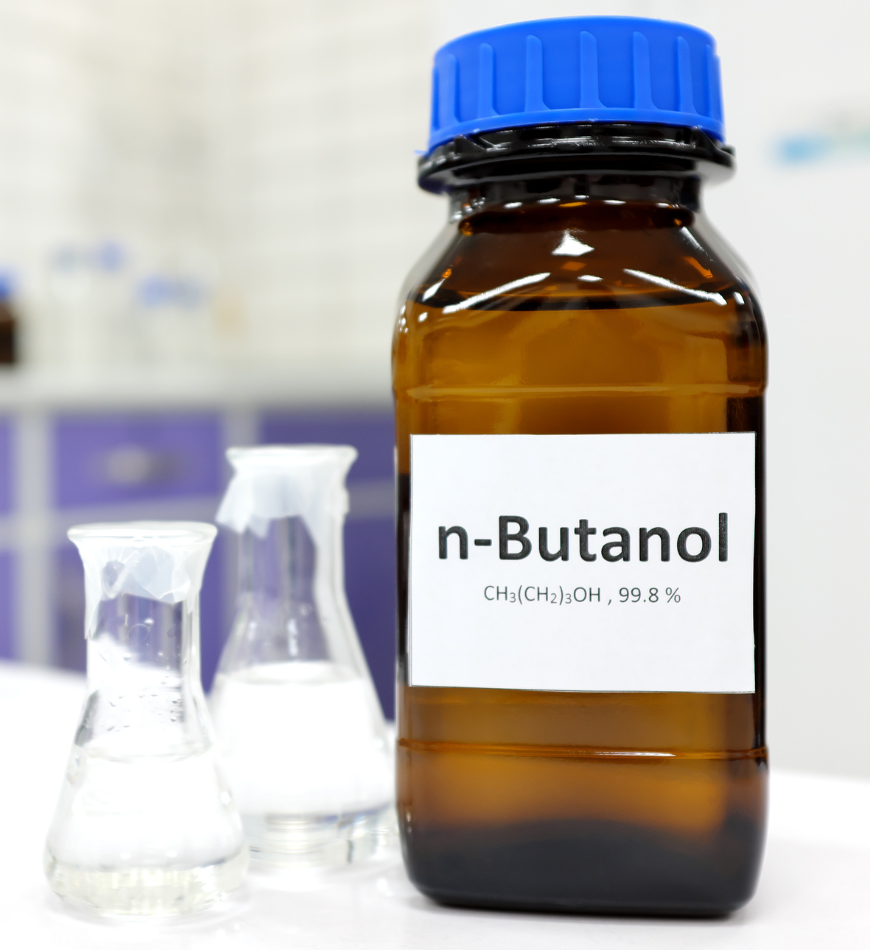
n-Butanol REACH compliance and regulatory documentation

For manufacturers sourcing 1-butanol in Europe, REACH compliance is an important consideration for chemical procurement, processing, and supply chain management.

Under the EU Registration, Evaluation, Authorisation and Restriction of Chemicals (REACH) Regulation, applicable obligations depend on the substance, supplier or importer role, annual tonnage, and intended uses.

1-Butanol (CAS 71-36-3; EC 200-751-6) is a registered substance under REACH. However, manufacturers must still verify that their specific supply arrangements meet relevant regulatory obligations.

Nedstar supports customers with applicable documentation, including safety data sheets, technical specifications, certificates of analysis, and relevant supply chain information.

Manufacturers should also consider the Classification, Labelling and Packaging (CLP) Regulation. n-butanol is a flammable liquid, and exposure to high concentrations of vapour can cause respiratory irritation, dizziness, and other adverse effects.

For renewable n-butanol, sustainability certification and renewable carbon traceability should be assessed separately from REACH compliance.

Contact our specialists to discuss 1-butanol specifications, regulatory documentation, and sourcing requirements.

1280 x 960 images-1

What

makes

Nedstar

different

reach-darkgreen
Reach

REACH provides guidelines for gathering and evaluating data about the characteristics and risks associated with various chemicals.

nedstar-iso-9001
ISO 9001

ISO 9001 certification ensures our quality management systems meet internationally recognised standards.

nedstar-ISO-14001
ISO 14001

We follow ISO 14001 standards to minimise environmental impact and improve sustainability across our operations.

nedstar_ecovadis_green_2026
EcoVadis 

Nedstar's EcoVadis Silver Medal recognises its assessed sustainability management performance across environmental practices, ethics, and responsible procurement. 

Nedstar packaging options for 1-butanol

Transporting n-butanol requires suitable packaging and logistics arrangements that account for its flammability, chemical compatibility, and applicable dangerous goods regulations. Nedstar helps coordinate bulk n-butanol shipments according to product grade, order volume, destination, and transport requirements.

1.000 litres
IBC tote

IBC Nedstar

Mid-sized shipments; our stackable IBC totes are widely used by companies across Europe, the US, and Asia for their efficiency and reliability.

25.000 litres
ISO container

ISO tank Nedstar

Our ISO tanks support intermodal transport by sea, rail, and road. They are ideal for companies sourcing in medium to large volumes.

35.000 litres
Tanktruck

Tank truck Nedstar

Our tank trucks are widely used worldwide to deliver bulk ethanol by road. They’re a practical option for regional transport and quick distribution.

Nedstar is your reliable partner for n-butanol

Sourcing high-quality 1-butanol requires consistent technical specifications, dependable supply, and an understanding of downstream chemical applications.

Nedstar supports manufacturers sourcing n-butanol for acrylic polymers, coatings, adhesives, resins, plasticisers, and other industrial processes. Our specialists help coordinate product selection, documentation, packaging, and international logistics.

Whether you need n-butanol technical grade, n-butanol 99.5%, or a renewable alternative, we can discuss supplier availability, technical requirements, and suitable delivery options.

Looking to buy n-butanol in bulk? Contact Nedstar to discuss your specifications, order volume, delivery destination, and current n-butanol price.

Explore our related product offering

Isobutanol

Isobutanol is a branched-chain alcohol used as a solvent and chemical intermediate in coatings, resins, plastics, and speciality chemical synthesis.

nedstar-how-is-isobutanol-made
Bio ethyl acetate

Bio ethyl acetate is a renewable-origin solvent used in coatings, adhesives, printing inks, and industrial formulations. 

nedstar-isobutanol-what-is-isobutanol
Isoamyl alcohol

Isoamyl alcohol is a higher alcohol used as a solvent and chemical intermediate in fragrances, flavourings, coatings, and speciality chemical manufacturing.

Frequently Asked Questions