


Semiconductor solvents
Certified semiconductor grade solvents for your business
Semiconductor manufacturing requires exceptional chemical purity at every stage of production. Semiconductor grade solvents are formulated to minimise trace impurities, residues, and contaminants that could affect wafer surfaces, integrated circuits or advanced electronic devices.
Nedstar supplies high-purity solvent solutions for electronics and precision manufacturing, supported by global sourcing expertise, consistent product quality and reliable international logistics.
From semiconductor-grade IPA to other high-purity chemicals, we help customers secure high-performance solvent solutions aligned with demanding manufacturing requirements.
Why choose Nedstar as your partner for semiconductor-grade solvents?
High-purity sourcing
The semiconductor industry demands strict control over contaminants. Nedstar works with trusted producers to source high-purity solvents and chemicals with consistent specifications and supporting documentation.
Reliable global supply chains
As semiconductor production expands, supply chain resilience becomes increasingly important. Nedstar combines an international producer network with dedicated logistics expertise to help customers maintain reliable access to critical solvent materials.
Application-focused support
Our specialists work with customers to match solvent purity, specifications, packaging, and documentation to semiconductor manufacturing processes and other precision applications.
What is a semiconductor grade solvent?
Semiconductor grade solvents are highly purified chemicals designed for processes where extremely low concentrations of metals, particles, moisture, and other contaminants are essential.
They are used throughout semiconductor manufacturing to clean surfaces, remove organic residues, support lithography, and prepare semiconductor wafers between processing stages.
Common semiconductor solvents include isopropyl alcohol, methanol, acetone, and other specialised solvent formulations.
Nedstar helps businesses source high-purity semiconductor grade solvents with reliable supply, technical support, and tailored logistics for their manufacturing requirements.
Why are ultra high purity solvents important?
Modern semiconductor devices contain increasingly small and complex structures. Even trace contamination can interfere with manufacturing performance, which makes ultra high purity reagents important across many production processes.
Compared with standard industrial-grade solvents, semiconductor-grade products typically require tighter controls over:
- Metallic impurities
- Particle contamination
- Moisture content
- Organic residues
- Ionic contaminants
- Batch consistency
Reliable purity is particularly important for advanced packaging, integrated circuit manufacturing and fabrication processes used in high-performance electronics, artificial intelligence systems and data centres. Contact Nedstar to discuss a semiconductor solvent solution tailored to your purity, volume, and supply requirements.
What are the main types of solvents for semiconductor manufacturing?
The semiconductor grade solvent market includes a range of high-purity solvents selected for specific cleaning, rinsing, drying, and processing requirements throughout semiconductor manufacturing.
Semiconductor grade isopropyl alcohol
Semiconductor grade isopropyl alcohol, also known as semiconductor grade IPA, is widely used for precision cleaning, rinsing and drying applications. Its strong solvency and rapid evaporation make it particularly useful where minimal residue is required. Nedstar supplies high-purity IPA for electronics and precision manufacturing applications, with available grades reaching 99.9% purity.
Semiconductor grade methanol
High-purity methanol may be used in selected cleaning, rinsing, and chemical-processing steps. Semiconductor manufacturing is one of the industrial categories in which methanol exposure is specifically regulated because of its use within semiconductor fabrication operations.
Semiconductor grade acetone
High-purity acetone is used where strong removal of organic residues, photoresist materials or process contaminants is required. The exact solvent selection depends on substrate compatibility and process design.
Specialised functional chemicals
Beyond general cleaning solvents, semiconductor processes can require specialised functional chemicals, including solvent blends and ultra high-purity grade reagents used for lithography, etching, chemical mechanical planarization, and other fabrication stages.
How are semiconductor grade solvents made?
Raw material selection
Production begins with a suitable solvent feedstock, such as isopropyl alcohol, methanol or another solvent selected according to the required semiconductor application.
Purification
The solvent undergoes intensive purification, typically using processes such as fractional distillation, dehydration or other refining methods to remove water, organic impurities, and unwanted by-products.
Ultra high purity treatment
Additional polishing steps, including fine filtration and specialised purification, are used to reduce trace metals, particles, and ionic contaminants to semiconductor-grade levels.
Quality control and packaging
The finished solvent is tested against strict purity specifications and packaged under controlled conditions designed to minimise contamination during storage and transport.
Types of semiconductor solvents and their applications
Different semiconductor grade solvents are used depending on the manufacturing step, contaminant type and required purity level.
Semiconductor grade methanol
Key properties
Applications
What are semiconductor grade solvents used for?
Wafer cleaning and surface preparation
- Removal of oils and organic contamination
- Precision cleaning of semiconductor wafers
- Intermediate rinsing
- Surface preparation before subsequent processing
- Drying after wet-cleaning steps
Lithography and resist processing
- Photoresist processing
- Residue removal
- Surface cleaning between lithography stages
- Solvent-based formulation support
Equipment and component cleaning
- Cleaning fabrication equipment
- Maintenance of process tools
- Cleaning components before cleanroom entry
- Removal of process residues
Advanced semiconductor processes
- Integrated circuit manufacturing
- Advanced packaging
- Precision electronics production
- Selected chemical mechanical planarization processes
- Support for atomic layer deposition and other advanced technologies
Choosing the right semiconductor grade solvent
The right solvent depends on the manufacturing step, substrate of choice, residue type, and required impurity limits.
Isopropyl alcohol can be suitable for wafer cleaning and drying, while other high-purity solvents may be required for resist processing, organic residue removal or specialised fabrication steps.
Nedstar helps customers evaluate solvent grade, purity, packaging, and supply requirements to identify a sourcing solution suited to their manufacturing process and fabrication plants.
Key attributes of semiconductor grade solvents
Ultra high purity reagents
Low contaminant concentrations help protect wafer surfaces and sensitive semiconductor components.
Fast evaporation
Solvents such as IPA evaporate rapidly, supporting precision cleaning and reducing residual solvent on processed surfaces.
Consistent specifications
Reliable batch quality helps manufacturers maintain predictable semiconductor processes.
High-performance solvency
Semiconductor solvents must remove process residues effectively without introducing unwanted contaminants.
What
makes
Nedstar
different?

ISO 9001
ISO 9001 certification demonstrates that Nedstar operates a structured quality management system designed to support consistent quality, controlled processes and customer requirements.

Reach
REACH helps support compliant chemical sourcing in the EU by setting requirements for substance registration, safety management and communication throughout the supply chain.

EcoVadis
Nedstar’s EcoVadis Silver Medal recognises its strong sustainability performance in responsible sourcing, ethics, and environmental management.

USDA-NOP
USDA Organic certification (USDA-NOP) indicates that eligible Nedstar products meet the requirements of the USDA National Organic Program for certified organic agricultural products.
Nedstar packaging options for semiconductor grade solvents
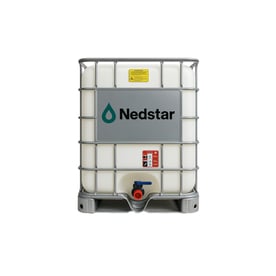
IBC tote

Mid-sized shipments: IBC totes offer an efficient solution for high-purity solvent supply to electronics and manufacturing facilities.
ISO container
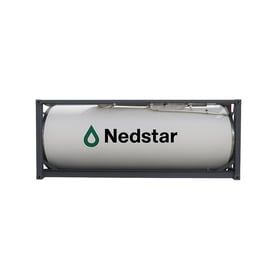
Bulk international shipments: ISO containers support efficient transport for large-volume solvent requirements across global supply chains.
Tanktruck
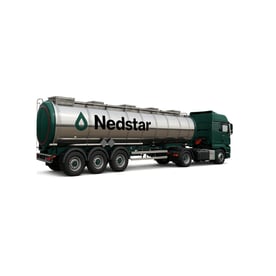
Large-volume deliveries: tank trucks provide an efficient solution for regional solvent distribution to industrial manufacturing sites.

Nedstar is your reliable partner
Reliable semiconductor production depends on more than solvent performance. Consistent purity, dependable logistics, and strong supplier relationships are equally important.
Nedstar combines international sourcing expertise with a broad portfolio of high-purity alcohols and solvent solutions. Whether you require semiconductor-grade isopropyl alcohol or another high-purity solvent for electronics manufacturing, our specialists can help align supply with your required specification, volume and destination.
Explore our related product offerings
Extra neutral alcohol (ENA)
High-purity IPA suitable for electronics, precision cleaning and industrial applications.

Ethanol
High-purity ethanol suitable for electronics cleaning, surface preparation, and other precision industrial processes.
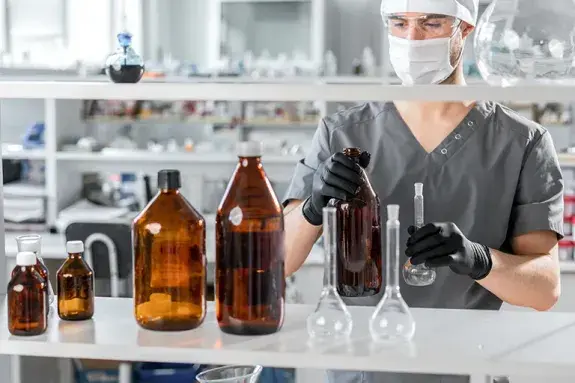
Anhydrous alcohol 99.9%
High-purity, low-moisture ethanol suitable for electronics, precision cleaning, and other industrial applications that are sensitive to moisture and contaminants.
Frequently Asked Questions
What are the main types of solvents for semiconductor manufacturing?
Common semiconductor solvents include high-purity isopropyl alcohol, methanol, acetone and ethanol, alongside specialised solvent formulations used in lithography, resist processing and precision cleaning.
Which solvents can be used to clean semiconductors?
High-purity isopropyl alcohol is widely used for semiconductor and electronics cleaning because it provides effective solvency, rapid evaporation, and minimal residue when appropriately purified. Acetone, methanol, and other specialised solvents may also be used depending on the contaminant, wafer material and manufacturing process.
What is semiconductor grade IPA?
Semiconductor grade IPA is ultra high purity isopropyl alcohol produced and controlled to meet stricter contaminant limits than conventional industrial IPA. It is used for wafer cleaning, rinsing, drying, and other precision semiconductor manufacturing processes.
Why do semiconductor manufacturers need ultra high purity solvents?
Semiconductor structures are highly sensitive to contamination. Trace metals, particles, moisture or organic residues can interfere with wafer processing and device performance, so ultra high purity chemicals are used where tight contamination control is required.
What is driving growth in the global semiconductor solvent market?
Growth in the global semiconductor solvent market is being supported by rising demand for semiconductors across consumer electronics, artificial intelligence, data centres, and advanced manufacturing. This, in turn, increases the need for high-purity solvents used in various fabrication processes.
How do environmental regulations affect semiconductor grade solvents?
Environmental regulations can influence solvent selection, handling, storage, and disposal requirements in semiconductor manufacturing, making compliant sourcing and appropriate product documentation important for buyers.
What should buyers consider when sourcing semiconductor grade solvents?
Along with considering raw material prices, buyers should evaluate purity specifications, contaminant limits, batch consistency, packaging, documentation, supply capacity, and logistics. Strategic supplier relationships are particularly important where semiconductor production depends on uninterrupted access to high-purity chemicals.