











Chemical manufacturing
- Vinyl acetate monomer
- Acetic anhydride
- Acetic acid derivatives
- Specialty chemicals
- Chemical intermediates

Acetate esters and industrial solvents
- Ethyl acetate
- Butyl acetate
- Solvent formulations
- Coatings and adhesives
- Printing and chemical processing

Plastics and polymers
- Purified terephthalic acid
- Vinyl acetate-based polymers
- Ethylene vinyl acetate applications
- Plastic and resin manufacturing

Textiles, food and beverage sector
- Vinegar production
- Food acidity regulation
- Textile dyeing and finishing
- Pharmaceutical intermediates
- Personal care formulations


Renewable origin
Bio acetic acid is produced from bio-based feedstocks rather than fossil-derived raw materials.

Chemical equivalence
Bio acetic acid offers the same molecular structure and core functionality as conventional acetic acid.

Broad applicability
Bio acetic acid is suitable for solvents, acetate esters, chemical intermediates, and other industrial applications.

Lower carbon potential
The use of bio acetic acid can support carbon reduction strategies when produced through efficient renewable pathways.


Reach
REACH provides a framework for gathering and evaluating information on the properties, uses, and potential risks of various chemicals.

EcoVadis
EcoVadis Silver Medal Recognises Nedstar’s strong sustainability performance across environmental, ethical, labour and responsible procurement practices.

EU Organic
The EU Organic certification confirms that qualifying Nedstar products meet EU organic production and processing requirements, supporting responsible sourcing and greater supply chain transparency.

USDA-NOP
Nedstar supplies USDA-certified organic products that meet National Organic Program standards and support responsible agricultural practices, biodiversity and ecological balance.
IBC tote
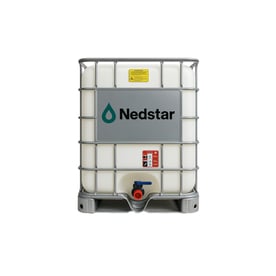
Mid-sized shipments: stackable IBC totes provide an efficient solution for transporting bio acetic acid across regional and international supply chains.
ISO container
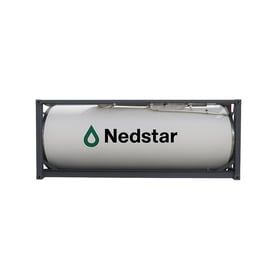
Bulk international shipments: ISO containers support efficient transport of bio acetic acid by sea, rail, and road.
Tanktruck
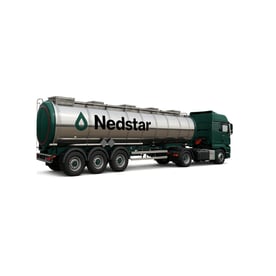
Large-volume deliveries: tank trucks provide a practical solution for regional distribution of bio acetic acid to multiple industrial sectors.

Bio ethyl acetate
A bio-based solvent produced from renewable feedstocks and used in coatings, inks, adhesives, and chemical applications.

Ethanol
A versatile renewable raw material used in chemical manufacturing, fuel, pharmaceuticals, industrial and consumer applications.

Biochemicals
Explore Nedstar's wider portfolio of bio-based and conventional chemical building blocks for industrial applications.