
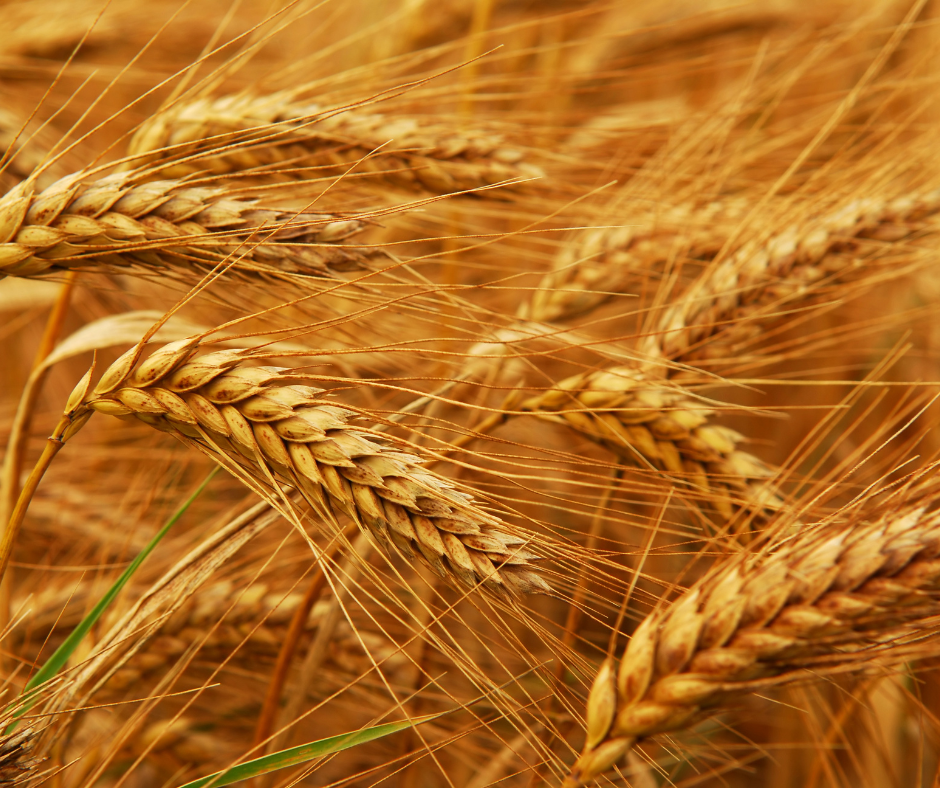
L'alcool de blé, également appelé alcool éthylique de blé ou ENA de blé, est un type d'alcool de grain dérivé de la fermentation et de la distillation des grains de blé. De nombreux consommateurs préfèrent l'alcool de blé à d'autres types d'alcools de céréales, tels que l'alcool éthylique de maïs ou d'orge. Mais quelles en sont les raisons ? L'alcool de blé présente-t-il également des inconvénients ?
Les raisons de cette préférence

Higher purity
First of all, wheat alcohol has a higher purity than other types of grain alcohol; it is a cleaner grain than corn or barley, meaning it is less likely to contain impurities like mould or mycotoxins. As a result, the fermentation and distillation process for wheat alcohol is typically less complex than for other grain alcohols, which can lead to a final product with higher purity.

Favourable flavour
Wheat alcohol has a milder flavour and aroma than other types of grain alcohol because of its lower level of oil content, which can contribute to a harsher taste and smell in the final product. As a result, wheat alcohol is often preferred for use in food and beverage production, where a mild taste and aroma are desired in order to let primary flavours stand out, especially in products such as vodka.

Sustainability
Wheat alcohol is often considered to be more sustainable than other types of grain alcohol since the raw material is a relatively fast-growing crop that requires comparably less fertiliser and water. Wheat can also be grown in a wider range of climates and soil types, which makes it a more versatile crop for farmers. Therefore, the production of wheat alcohol can have a lower environmental impact than other types of grain alcohol.

Customs and traditions
Last but not least, wheat alcohol has a long history of use in European cultures and traditions. It is a staple crop in many European countries, such as Germany and the Netherlands, and the production of wheat alcohol has been part of the region's cultural and culinary heritage for centuries. This long-standing tradition has helped to establish wheat alcohol as a high-quality and prestigious product in the eyes of many consumers.
Défis et inconvénients liés à l'utilisation de l'alcool de blé
L'utilisation de l'alcool de blé peut toutefois présenter certains inconvénients. L'un des principaux est que le blé est plus cher que les autres céréales, ce qui rend la production d'alcool de blé plus coûteuse que celle d'autres types d'alcool de grain. Cela rend l'alcool de blé moins accessible à certains consommateurs ou industries, par exemple dans les marchés émergents d'Afrique.
En outre, l'alcool de blé ne convient pas à tous les pays ni à tous les types d'applications industrielles. Par exemple, l'alcool éthylique de maïs est souvent utilisé comme additif de carburant aux États-Unis, où le maïs est largement cultivé et où l'infrastructure pour la production d'éthanol de maïs est bien établie. De même, l'alcool éthylique d'orge convient mieux à certaines applications industrielles, comme la production de produits de nettoyage ou de désinfectants.
L'alcool de blé : le roi de l'industrie alimentaire et des boissons ?
Les nombreux avantages potentiels et les propriétés favorables de l'alcool de blé ont certainement contribué à sa popularité dans le monde entier. Toutefois, son prix plus élevé et son inutilité pour certaines applications industrielles en font un produit inadapté pour les consommateurs à la recherche d'une solution globale et rentable. Ces consommateurs se tourneront vers d'autres types d'alcool de grain, tels que l'alcool éthylique de maïs ou d'orge, mais l'infrastructure agricole de l'Europe et les liens culturels étroits qui l'unissent à ce produit laissent présager une demande accrue pour le blé dans les siècles à venir.