
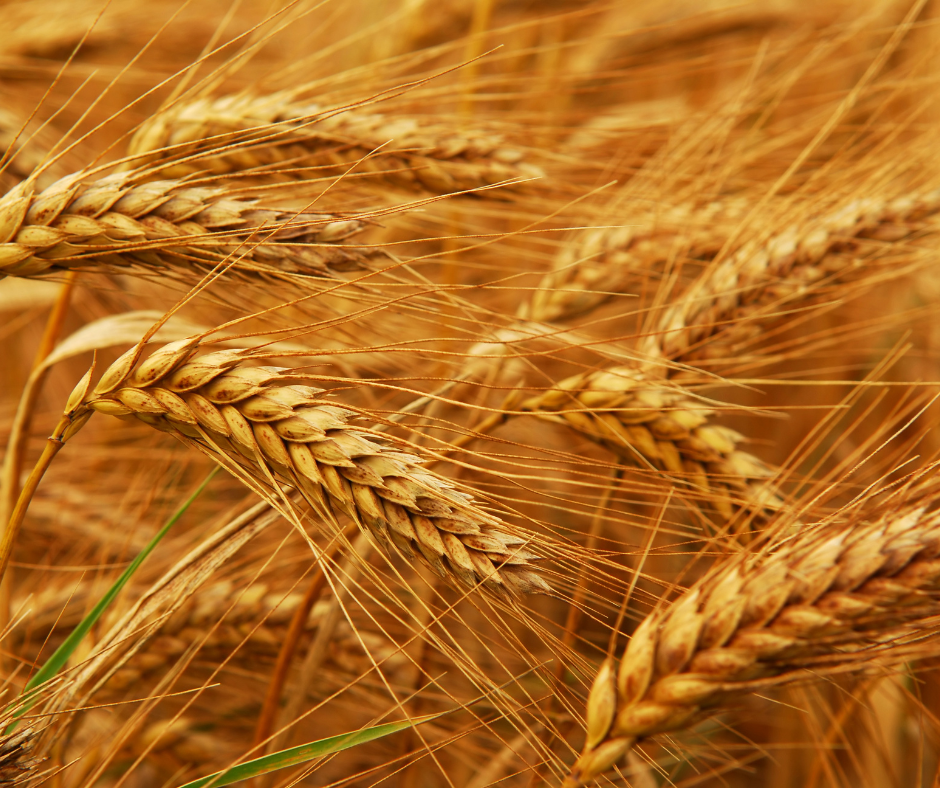
Weizenalkohol, auch Weizenethylalkohol oder Weizen-ENA genannt, ist eine Art von Getreidealkohol, der aus der Fermentation und Destillation von Weizenkörnern gewonnen wird. Viele Verbraucher bevorzugen Weizenalkohol gegenüber anderen Arten von Getreidealkoholen, wie Mais- oder Gerstenethylalkohol. Aber was sind die Gründe dafür? Und gibt es auch Nachteile bei der Verwendung von Weizenalkohol?
Gründe für die Beliebtheit

Higher purity
First of all, wheat alcohol has a higher purity than other types of grain alcohol; it is a cleaner grain than corn or barley, meaning it is less likely to contain impurities like mould or mycotoxins. As a result, the fermentation and distillation process for wheat alcohol is typically less complex than for other grain alcohols, which can lead to a final product with higher purity.

Favourable flavour
Wheat alcohol has a milder flavour and aroma than other types of grain alcohol because of its lower level of oil content, which can contribute to a harsher taste and smell in the final product. As a result, wheat alcohol is often preferred for use in food and beverage production, where a mild taste and aroma are desired in order to let primary flavours stand out, especially in products such as vodka.

Sustainability
Wheat alcohol is often considered to be more sustainable than other types of grain alcohol since the raw material is a relatively fast-growing crop that requires comparably less fertiliser and water. Wheat can also be grown in a wider range of climates and soil types, which makes it a more versatile crop for farmers. Therefore, the production of wheat alcohol can have a lower environmental impact than other types of grain alcohol.

Customs and traditions
Last but not least, wheat alcohol has a long history of use in European cultures and traditions. It is a staple crop in many European countries, such as Germany and the Netherlands, and the production of wheat alcohol has been part of the region's cultural and culinary heritage for centuries. This long-standing tradition has helped to establish wheat alcohol as a high-quality and prestigious product in the eyes of many consumers.
Herausforderungen und Nachteile der Arbeit mit Weizenalkohol
Die Verwendung von Weizenalkohol birgt jedoch auch einige potenzielle Nachteile. Eine der größten Herausforderungen besteht darin, dass Weizen teurer ist als andere Getreidesorten, was dazu führt, dass die Herstellung von Weizenalkohol kostspieliger ist als die anderer Arten von Getreidealkohol. Dadurch ist Weizenalkohol für einige Verbraucher oder Industrien, z. B. in aufstrebenden Märkten in Afrika, weniger zugänglich.
Außerdem ist Weizenalkohol nicht für alle Länder und alle Arten von industriellen Anwendungen geeignet. So wird Mais-Ethylalkohol in den Vereinigten Staaten, wo Mais in großem Umfang angebaut wird und die Infrastruktur für die Mais-Ethanol-Produktion gut etabliert ist, häufig als Kraftstoffzusatz verwendet. Ebenso eignet sich Gerstenethylalkohol besser für bestimmte industrielle Anwendungen, wie die Herstellung von Reinigungs- oder Desinfektionsmitteln.
Weizenalkohol: der König der Lebensmittel- und Getränkeindustrie?
Die vielen potenziellen Vorteile und günstigen Eigenschaften des Weizenalkohols haben zweifellos zu seiner Beliebtheit in der ganzen Welt beigetragen. Aufgrund seines höheren Preises und seiner Unbrauchbarkeit für einige industrielle Anwendungen ist er jedoch für Verbraucher, die eine umfassende und kostengünstige Lösung suchen, nicht geeignet. Während diese Verbraucher sich nach anderen Arten von Getreidealkohol wie Mais- oder Gerstenethylalkohol umsehen werden, versprechen die landwirtschaftliche Infrastruktur Europas und die enge kulturelle Verbundenheit mit diesem Produkt eine größere Nachfrage nach Weizen für die kommenden Jahrhunderte.

.webp?width=352&name=REN-Alcohol%20(1).webp)